The debate surrounding the maturation and aging of fine fragrances has long captured the imagination of perfume enthusiasts worldwide. Within digital fragrance communities and luxury beauty circles, a persistent myth suggests that luxury perfumes should never be used immediately upon purchase. Instead, proponents of this practice advocate leaving newly acquired bottles undisturbed in dark storage for several weeks or even months. The underlying belief is that this deliberate pause allows the complex aromatic compounds to settle, resulting in a richer, more potent, and longer-lasting scent profile akin to the aging process of fine wines. However, as consumer interest in niche perfumery grows, industry experts, cosmetic chemists, and master perfumers are increasingly sharing empirical insights to demystify what actually happens inside a sealed glass flacon over time. While chemical reactions certainly take place after a perfume is bottled, the blanket assumption that all fragrances improve with age is scientifically inaccurate. Understanding the delicate balance between formulation chemistry, storage conditions, and chemical degradation is essential for fragrance collectors who wish to preserve their investments without inadvertently damaging their skin or altering their signature scents.
To evaluate whether fragrances genuinely improve with age, one must first examine the foundational chemistry of commercial perfumery, which relies on a precise blend of aromatic raw materials, specialized alcohol, and purified water. In the fragrance industry, two distinct yet frequently confused technical terms define how a scent evolves during its creation and lifespan: maceration and maturation. While consumers often use these terms interchangeably, master perfumers distinguish between them to explain different phases of a perfume’s lifecycle. Maceration refers to the initial manufacturing stage where concentrated perfume oils—comprising natural extracts, essential oils, and synthetic aroma chemicals—are blended with high-grade perfumer’s alcohol. This mixture is then left to steep for a specified duration, allowing the raw materials to harmonize, bind together, and form a unified olfactory identity. This critical step ensures that the final formulation is stable and balanced before it is bottled, packaged, and distributed to retail markets.
In certain modern contexts, a secondary form of maceration can occur immediately after a retail purchase, particularly with artisanal or bespoke fragrances that are custom-blended on demand. When consumers receive a freshly mixed bottle containing high concentrations of raw oils, alcohol, and water, they are occasionally advised by independent perfumers to let the flacon rest for approximately two weeks. Aamna Lone, a prominent British fragrance expert with a formal background in chemistry, explains that this brief resting period grants the formula time to undergo secondary chemical stabilization. During this phase, the initial sharp, volatile burst of raw alcohol subsides, allowing the heart and base notes to integrate more smoothly. This explains why a newly unboxed fragrance might occasionally smell slightly harsher on the first spray than it does after sitting undisturbed on a vanity for a fortnight.
While short-term resting can smooth out the initial alcohol harshness in freshly blended batches, the long-term evolution of a perfume falls under the distinct category of maturation. Maturation describes the natural, ongoing chemical shifts that occur inside a finished fragrance bottle over extended periods, ranging from several months to many years. Unlike the controlled maceration managed by professional noses in a laboratory, natural maturation inside a consumer’s home is largely dependent on external environmental factors. Certain families of raw materials are naturally more resilient and reactive than others. Fragrances dominated by heavy base notes—such as rich resins, deep amprs, warm woods, and sweet vanillins—tend to be remarkably stable. In fact, many high-end oriental and gourmand perfumes contain dense molecules that undergo a natural oxidation process which deepens their color and enriches their sweetness over time, much like a fine liquor darkening in a wooden cask.
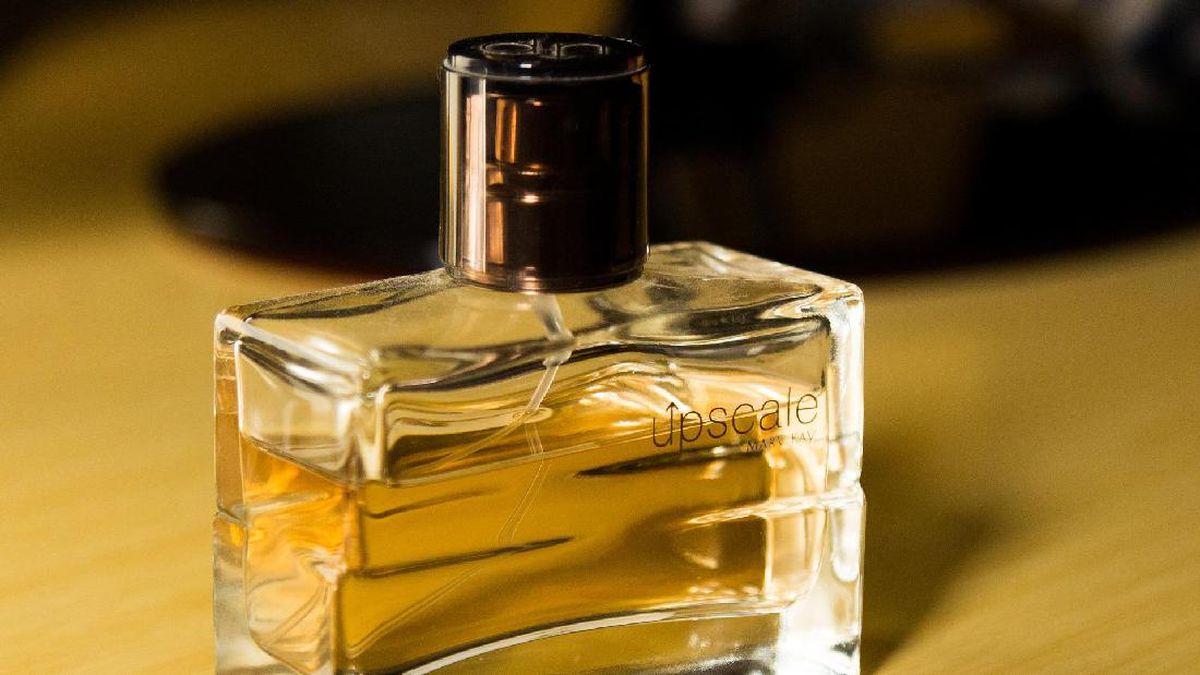
Despite the romantic notion that all perfumes age like vintage wine, chemical reality dictates that prolonged storage frequently leads to degradation rather than improvement. The primary culprit behind declining fragrance quality is oxidation, a chemical reaction that occurs when the delicate aromatic compounds inside the liquid come into contact with oxygen molecules. While a small amount of trapped oxygen is inevitable during the industrial bottling process, continuous exposure—often exacerbated by loose caps, fluctuating room temperatures, and direct exposure to ultraviolet light—accelerates the breakdown of sensitive chemical bonds. Fragrances built around top notes and volatile elements, particularly citrus, green, fresh aquatic, and fruity accords, are exceptionally vulnerable to oxidative damage. When exposed to heat and oxygen, these crisp, sparkling top notes rapidly decompose, causing the perfume to lose its initial vibrancy and shift toward a dull, overly sharp, or heavily spiced profile. Consequently, leaving a fresh, citrus-forward eau de toilette in storage for years will not enhance its character; rather, it will systematically ruin the composition crafted by the perfumer.
Identifying the exact boundary between a gracefully aged fragrance and a spoiled, chemically compromised product is a critical skill for fragrance enthusiasts. Experts recommend conducting regular sensory and visual inspections of older collections, beginning with a careful examination of the liquid’s color. A noticeable shift in hue—whether the juice darkens significantly into a deep amber or fades into a pale, translucent shade—often serves as the first warning sign of advanced oxidation. Beyond visual inspection, the olfactory test remains definitive. When a perfume’s chemical structure breaks down, it frequently releases off-notes reminiscent of metallic compounds, sharp vinegar, or stale cooking oil. These unpleasant aromas completely override the intended notes of the fragrance, signaling that the molecular integrity of the formulation has been permanently compromised.
The implications of ignoring these signs extend beyond mere aesthetic disappointment, entering the realm of dermatological safety. Applying a chemically degraded or oxidized perfume to the skin poses tangible health risks. As fragrant compounds degrade, they form new oxidation byproducts, such as peroxides and free radicals, which are well-documented skin sensitizers. Dermatologists warn that spraying spoiled cosmetics or expired perfumes directly onto the epidermis can trigger acute adverse reactions, including localized contact dermatitis, severe skin rashes, red irritation patches, and chronic allergic sensitization. Individuals with pre-existing skin conditions, such as eczema, are particularly vulnerable to these chemical irritants. Therefore, when a cherished bottle begins to exhibit strange metallic odors or unusual discoloration, safety protocols dictate that it should be discarded rather than applied, regardless of its monetary or sentimental value.
Given that prolonged intentional storage frequently introduces the risk of spoilage, experts emphasize that proper daily preservation is vastly more important than attempting to age a fragrance artificially. Maximizing the lifespan of a perfume collection requires strict adherence to environmental control guidelines. Fragrances should consistently be stored in cool, dark, and climate-stable environments. Direct sunlight is the primary catalyst for the thermal degradation of top notes, making transparent glass bottles resting on sunny windowsills highly susceptible to premature ruin. Furthermore, humid environments, such as typical residential bathrooms, subject fragrance bottles to constant temperature and moisture fluctuations that compromise the structural integrity of both the juice and the mechanical atomizer pump. To ensure maximum longevity, collectors are advised to keep perfumes inside their original outer packaging boxes, store them within dedicated wooden cabinets or drawers, and maintain a stable ambient room temperature year-round. By prioritizing rigorous preservation over speculative aging myths, fragrance consumers can safeguard the complex artistry of their collections, ensuring optimal scent performance and complete skin safety for years to come.