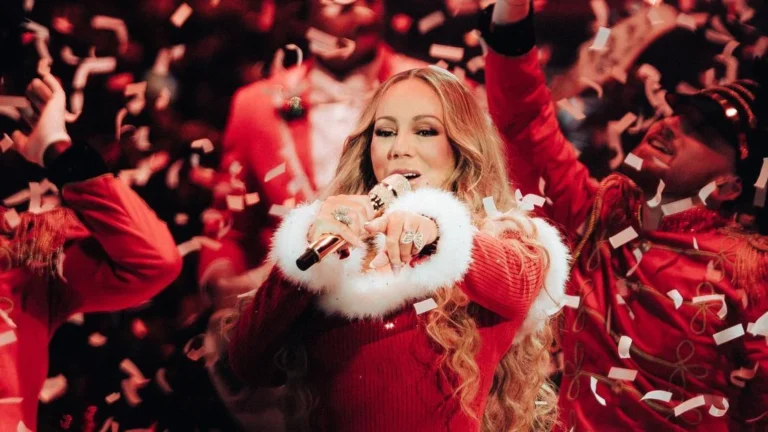
The recent publication of a controversial article targeting global music superstar Taylor Swift in Vanity Fair has ignited a firestorm within the hallowed halls of Condé Nast, the media conglomerate that houses some of the world’s most influential fashion and lifestyle titles, including Vogue and Vanity Fair. The piece, which critically examines Swift’s public persona and influence, has reportedly sent shockwaves through the organization, pitting editorial strategies against the necessity of maintaining high-level celebrity relationships.
As the industry grapples with the fallout, the internal dynamics at One World Trade Center—the headquarters of Condé Nast—have come under intense scrutiny. At the center of the storm is Mark Guiducci, the editorial director of Vanity Fair, whose decision to greenlight the piece has been met with both internal condemnation from those fearing for the brand’s reputation and praise from those championing the magazine’s renewed focus on provocative, high-traffic journalism.
The Anatomy of the Controversy
The article in question, which dissected the multifaceted influence of Taylor Swift, was perceived by many within the Condé Nast ecosystem as an unnecessarily aggressive "hit piece." Swift, who has maintained a calculated and generally positive relationship with major media outlets throughout her record-breaking career, commands one of the most vocal and organized fan bases in the world. When the article was published, the immediate backlash on social media was swift and overwhelming, creating a public relations headache for a company that relies heavily on the cooperation of A-list celebrities for its marquee events and cover stories.
Insiders suggest that the tension is rooted in a fundamental clash of philosophies. On one side stands the traditional approach championed by figures like Anna Wintour, the Global Chief Content Officer of Condé Nast, who has spent decades curating a business model built on access, prestige, and mutually beneficial partnerships with the entertainment industry’s elite. On the other side is a newer, more aggressive digital-first strategy, represented by editorial leaders like Guiducci, who prioritize engagement metrics, search engine visibility, and bold editorial choices that challenge the status quo.
Internal Dissent and the Role of Anna Wintour
Reports emerging from within the company indicate that the article created significant friction at the executive level. Sources close to the situation have noted that Anna Wintour, a figure synonymous with the stability and influence of the Vogue brand, sought to distance herself from the controversy. It is widely understood in the publishing world that Wintour’s editorial mandate centers on maintaining high-level access to the world’s most famous individuals. By publishing a piece that could potentially alienate a figure as powerful as Swift, the article reportedly clashed with Wintour’s long-term vision for the Condé Nast portfolio.
Chloé Malle, a key editorial voice at Vogue, was among those reported to have expressed concern regarding the piece. Critics of the article argued that it lacked the necessary journalistic substance to justify the potential bridge-burning it caused. The fear, according to multiple insiders, is that the fallout could jeopardize future opportunities, such as securing Swift for future Met Gala appearances or high-profile magazine covers, which are essential for maintaining the prestige and commercial success of Vogue.
However, official channels have worked to dampen these reports. A spokesperson for both Vogue and Wintour issued a firm denial, stating that the reports of internal chaos and Wintour’s extreme dissatisfaction were "not true." These representatives maintained that Wintour, as the overseer of all editorial content under the Condé Nast umbrella, was fully aware of the piece before it went to press, suggesting a level of corporate alignment that contradicts the narrative of a rogue editorial team.
The Position of Mark Guiducci
Perhaps the most significant element of the controversy is the scrutiny surrounding Mark Guiducci’s future at Vanity Fair. Speculation that his position as editorial director was in jeopardy spread rapidly across industry circles, fueled by the suggestion that he had overstepped by attacking a celebrity of Swift’s magnitude.
In defense of Guiducci, however, several high-level sources have stepped forward to describe him as a "golden boy" within the Condé Nast hierarchy. Far from being a liability, Guiducci is viewed by the current executive team as a transformative figure who has successfully breathed new life into the magazine. The metrics tell a compelling story: the article, while divisive, resulted in a significant spike in web traffic, a critical KPI in the modern digital media landscape.
"Mark was looking to make a statement," one source familiar with the situation explained. "He wanted to do something bold, something that would cut through the noise. He understood the risks, but he also understood that in 2024, neutrality often leads to irrelevance. This was a calculated decision, not a mistake."
Broader Implications for Celebrity Journalism
The incident serves as a case study in the evolving tension between traditional prestige journalism and the demands of the digital attention economy. For years, the "Condé Nast model" has relied on a symbiotic relationship with celebrities: the magazine provides a glamorous platform, and the celebrity provides the audience and the "cool factor" required to sell physical copies and drive digital subscriptions.
When an outlet like Vanity Fair publishes a critical piece on an artist like Swift, it disrupts that balance. If the trend of "hit pieces" continues, it may force celebrities to be more selective about which publications they choose to work with, potentially creating a tiered system of media access. Conversely, it empowers editors to pursue stories that reflect genuine critique rather than mere PR-approved puff pieces, a shift that many journalism advocates argue is necessary for the long-term health of the industry.
Data and Performance: A Shift in Strategy
Behind the closed doors of One World Trade, the sentiment toward the article appears to be shifting from defensive to triumphant. While the initial reaction focused on the PR fallout, the secondary data has been overwhelmingly positive from a business perspective. According to internal reports, the article succeeded in its primary goal: driving engagement.
Since Guiducci took a more active role in the editorial direction of the publication, Vanity Fair has seen a consistent upward trend in both unique visitors and long-term digital subscriptions. The executive team at Condé Nast has noted that these metrics are the ultimate arbiters of success. If a piece of content can generate widespread conversation—even if that conversation is polarized—it validates the decision to publish it.
"We are very satisfied with the current direction," an internal source stated. "The goal was to make Vanity Fair a relevant, must-read publication that isn’t afraid to take a stance. We are seeing growth across all the metrics that actually matter to our stakeholders. The noise on social media is just that—noise. The data, however, tells us that we are connecting with our audience in a way that we haven’t in years."
Chronology of the Event
- Pre-Publication: Mark Guiducci conceives of the article, aiming to provide a critical, in-depth analysis of Taylor Swift’s career, shifting away from standard celebrity profiles.
- Editorial Approval: The piece is reviewed and greenlit within the Vanity Fair editorial structure. Anna Wintour is briefed on the content as part of the standard review process.
- Publication: The article is released, immediately triggering intense criticism from Swift’s fanbase and debate within the media industry.
- Internal Backlash: Rumors circulate regarding a rift between Vogue and Vanity Fair leadership, with reports suggesting that Wintour and Malle were concerned about the damage to celebrity relationships.
- The "Crisis" Narrative: Media outlets report on the alleged instability of Guiducci’s role and internal fears of a PR disaster.
- The Correction: Condé Nast and Vanity Fair spokespeople release statements clarifying that Guiducci’s position is secure and that the internal "geger" (turmoil) has been overstated.
- Post-Analysis: The magazine reports significant traffic growth and subscription gains, with leadership affirming the current editorial strategy.
Conclusion
The controversy surrounding the Taylor Swift article in Vanity Fair acts as a microcosm for the challenges facing the legacy media industry. The push and pull between the need for celebrity cooperation and the demand for bold, engaging content is a struggle that will likely continue as media brands fight for survival in a fragmented attention economy.
For now, the situation appears to have stabilized. The "hit piece" has evolved into a case study of successful—if polarizing—digital strategy. While some within the industry may continue to long for the days of soft-focus, high-access journalism, the leadership at Condé Nast seems prepared to lean into a more assertive, data-driven future. Mark Guiducci remains at the helm, and the message from the top of One World Trade is clear: the era of playing it safe is over, and the era of the high-impact headline has arrived. Whether this strategy will lead to long-term sustainability or further alienate the stars who define the culture remains to be seen, but one thing is certain: the conversation surrounding the power of the press and the influence of pop icons is far from over.