Socio Today
State-owned defense company PT Pindad (Persero) has officially confirmed its disengagement from the national electric motorcycle project, stating that its primary focus remains steadfastly on the development and production of the national car (mobnas). The company clarified that the government has designated other entities to spearhead the ambitious electric motorcycle initiative.
Sigit Puji Santoso, President Director of PT Pindad (Persero) and also President Director of the Danantara Development Management Fund, elaborated on Pindad’s distinct mandate from the government. "Pindad is focused on cars. For electric motorcycles, there will be another assignment for others," Sigit stated at the Presidential Palace Complex, as reported by Antara on Thursday, July 23rd.
Despite Pindad’s non-involvement in the production aspect, Sigit revealed that the national electric motorcycle is slated for a near-future launch by President Prabowo Subianto. He opted to withhold specific details, indicating that the President himself would be the sole source of comprehensive information regarding the launch and the project’s intricacies.
A significant detail confirmed by Sigit is that the upcoming national electric motorcycle will not adopt any existing brand names currently on the market. Instead, the vehicle is set to debut under a new brand, meticulously developed by Indonesian engineers, underscoring a commitment to homegrown innovation. "No, there will be a new brand, and the design will be by Indonesian engineers, designed by us. The design and production will be ours," he affirmed.
Sigit reiterated Pindad’s lack of responsibility for the manufacturing of the national electric motorcycle. He anticipates that the government will officially announce the company tasked with this undertaking during the official launch ceremony. "No. Mr. (President Prabowo) will announce it on the 13th," Sigit added, hinting at a specific date for the unveiling.
This clarification comes in the wake of President Prabowo Subianto’s earlier pronouncements regarding Indonesia’s imminent entry into the national electric motorcycle market. The initiative is positioned as a strategic move to bolster the domestic automotive industry and champion the adoption of environmentally friendly transportation solutions. President Prabowo has expressed his hope that the national electric motorcycle will be widely adopted by the public, including the agricultural sector, serving as an efficient and accessible mode of transport.
Background and Context: A Strategic Push for Domestic Automotive Innovation
The Indonesian government has been actively pursuing policies aimed at strengthening its domestic manufacturing capabilities, particularly within the strategic automotive sector. This national electric motorcycle project is a component of a broader vision to reduce reliance on imported vehicles and components, foster technological advancement, and create a more sustainable transportation ecosystem.
Indonesia, as the world’s fourth most populous nation and a significant consumer market, possesses immense potential for developing a robust automotive industry. However, the sector has historically been dominated by foreign brands and manufacturing facilities, with limited indigenous design and production capabilities for key components and complete vehicles. The push for national electric vehicles, both cars and motorcycles, is seen as a pivotal step towards reversing this trend.
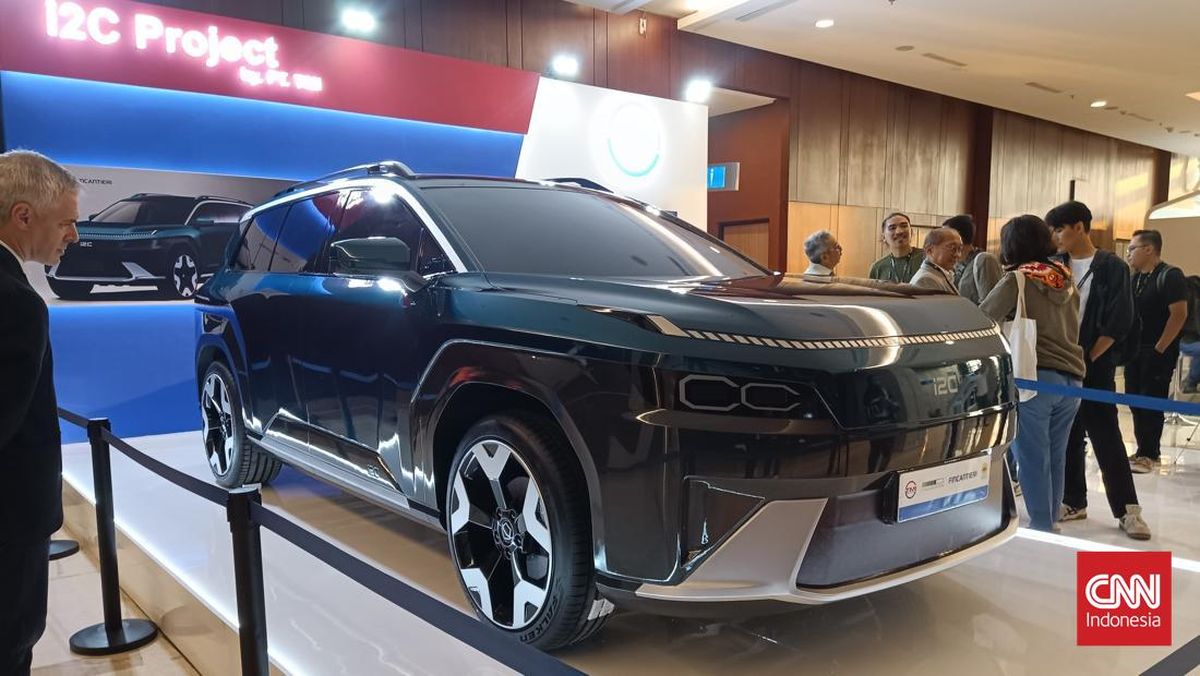
The emphasis on electric vehicles (EVs) aligns with global efforts to mitigate climate change and reduce air pollution. Indonesia, with its vast archipelagic geography, faces unique challenges and opportunities in transitioning to cleaner transportation. The government’s strategy involves not only promoting the adoption of EVs but also building a local supply chain for batteries, charging infrastructure, and related technologies.
The involvement of state-owned enterprises like Pindad, traditionally known for its defense manufacturing, in civilian projects signals a strategic diversification of national industrial capacity. While Pindad’s expertise lies in complex engineering and production, its allocation to the national car project, rather than motorcycles, suggests a calculated approach to leverage its core competencies in areas where it can achieve greater impact or where the technological and manufacturing challenges are more aligned with its existing strengths.
Timeline of Developments
While the exact inception of the national electric motorcycle project is not detailed in the provided text, President Prabowo’s public statements indicate a recent and active push. The confirmation from Pindad’s leadership on July 23rd serves as a crucial update in the unfolding narrative.
- Recent Past: President Prabowo Subianto makes public statements about Indonesia’s forthcoming national electric motorcycle.
- July 23rd: Sigit Puji Santoso, President Director of PT Pindad, clarifies Pindad’s role, confirming its focus on the national car project and its non-involvement in the electric motorcycle initiative. He also hints at a launch date.
- Upcoming (Specific Date Mentioned by Sigit): The official launch of the national electric motorcycle, to be announced by President Prabowo Subianto, with a potential date of the 13th (month not specified, but implied to be in the near future based on the context of the interview).
Supporting Data and Market Context
The Indonesian government’s commitment to electric vehicles is underscored by various initiatives and targets. While specific data on the national electric motorcycle project’s production targets or market penetration goals are not yet public, broader trends provide context:
- Growing EV Market: The global electric vehicle market is experiencing rapid growth. While Indonesia’s EV adoption is still nascent compared to some developed nations, it has shown significant upward momentum in recent years. Sales of electric motorcycles, in particular, have been identified as a key area for growth due to their affordability and practicality for a large segment of the population.
- Government Incentives: To accelerate EV adoption, the Indonesian government has implemented various incentives, including tax breaks, subsidies, and the development of charging infrastructure. These measures aim to make EVs more attractive and accessible to consumers.
- Battery Technology and Raw Materials: Indonesia possesses significant reserves of nickel, a key component in lithium-ion batteries used in EVs. Developing a local battery manufacturing industry is a strategic priority, aiming to capture more value from these natural resources and reduce import dependency.
- Motorcycle Dominance: Motorcycles are the dominant mode of personal transportation in Indonesia, with millions of units on the road. A successful national electric motorcycle initiative could have a substantial impact on reducing carbon emissions and improving air quality in urban centers.
Official Responses and Perspectives
PT Pindad (Persero): As articulated by Sigit Puji Santoso, Pindad’s stance is clear: a dedicated focus on the national car project. This strategic alignment allows the company to concentrate its resources and expertise on a single, high-priority initiative. Pindad’s established reputation in complex manufacturing and engineering provides a solid foundation for its role in the mobnas program.
The Government (Presidential Office): The government, through President Prabowo Subianto, is the driving force behind both the national car and the national electric motorcycle projects. The decision to assign the electric motorcycle project to a separate entity reflects a strategy of specialized development, potentially involving companies with existing expertise in two-wheeler manufacturing or new ventures specifically created for this purpose. The government’s anticipation of a presidential announcement underscores the high strategic importance placed on this initiative.
Other Potential Stakeholders (Inferred): While not explicitly mentioned, other entities likely involved or to be involved in the national electric motorcycle project include:
- Battery Manufacturers: Companies specializing in battery technology and production will be crucial partners.
- Component Suppliers: A network of suppliers for electric motors, controllers, and other EV-specific components will need to be established or engaged.
- Research and Development Institutions: Universities and research centers may contribute to the design, testing, and technological advancement of the electric motorcycles.
- Potential Manufacturers: The government’s announcement on the 13th will reveal the specific companies or consortiums designated to undertake the production. These could be existing automotive players, new entrants, or joint ventures.
Broader Impact and Implications
Pindad’s strategic decision to concentrate on the national car project, while a separate entity handles the electric motorcycle, has several significant implications:
- Synergistic Development: By segmenting these major national automotive projects, the government can potentially foster more focused and efficient development. Pindad can dedicate its engineering and manufacturing prowess to the complexities of automobile production, while a specialized team or company can concentrate on the nuances of electric motorcycle design and mass production.
- Accelerated Innovation: The clear division of labor allows for specialized innovation. Pindad’s efforts on the national car will likely involve advancements in automotive engineering, safety, and potentially powertrain integration. Simultaneously, the electric motorcycle project can drive innovation in battery efficiency, lightweight design, and cost-effective manufacturing for two-wheelers.
- Economic Opportunities: The development of both a national car and a national electric motorcycle is expected to create significant economic opportunities. This includes job creation in manufacturing, research and development, supply chain management, and after-sales services. Furthermore, it aims to foster a more robust domestic automotive ecosystem, reducing the nation’s trade deficit in automotive products.
- Environmental Benefits: The widespread adoption of electric vehicles, as envisioned by both projects, will contribute to reducing Indonesia’s carbon footprint and improving air quality, especially in densely populated urban areas. This aligns with Indonesia’s climate commitments and its broader sustainability agenda.
- Technological Sovereignty: A key objective behind these national projects is to enhance technological sovereignty. By developing indigenous designs and production capabilities, Indonesia aims to reduce its dependence on foreign technology and intellectual property, positioning itself as a more self-reliant industrial player.
- Market Differentiation and Competition: The introduction of a new, distinctly Indonesian brand for the electric motorcycle signifies an intent to create a unique market identity. This could lead to increased competition within the local market, potentially driving down prices and improving product quality for consumers.
The commitment of a prominent state-owned enterprise like Pindad to the national car project, coupled with the government’s dedicated push for a national electric motorcycle, signals a serious and multi-faceted approach to transforming Indonesia’s automotive landscape. The success of these initiatives will depend on effective execution, strategic partnerships, and sustained government support. The upcoming announcement regarding the electric motorcycle manufacturer will be a key indicator of the specific direction and capabilities being leveraged for this crucial segment of the nation’s transportation future.