Socio Today
Understanding whether a domestic canine is genuinely content in its living environment requires a nuanced examination of behavioral science, evolutionary biology, and neurochemistry. While dogs cannot articulate their emotions through human language, they communicate a complex spectrum of feelings through posture, vocalization, physiological responses, and daily routines. Recent studies in animal behavior and veterinary medicine indicate that a dog’s happiness is deeply intertwined with the quality of its relationship with its primary human caregivers. Far from merely anticipating food or shelter, dogs that feel safe and securely bonded exhibit distinct behavioral patterns rooted in evolutionary socialization and neurological reward systems.
To contextualize these behaviors, it is essential to examine the historical trajectory of human-canine domestication, which spans tens of thousands of years. As wolves gradually transitioned into domestic companions, they evolved specialized cognitive adaptations designed to read human cues, interpret facial expressions, and synchronize emotional states with their human counterparts. Modern behavioral research underscores that positive interactions between humans and dogs trigger the release of specific neurochemicals, most notably oxytocin—often referred to as the bonding hormone—in both species. This hormonal synchronization fosters a deep sense of psychological safety, turning the domestic household into a secure base from which the animal explores its world. Veterinary behavioral scientists have systematically identified several primary indicators that confirm a canine companion is thriving emotionally and physically in its current home.
Tail Wagging as a Nuanced Metric of Emotional State
The tail is perhaps the most universally recognized yet frequently misunderstood communication tool in the canine repertoire. While a wagging tail is commonly interpreted as an absolute sign of happiness, contemporary ethology emphasizes that the speed, height, and direction of the wag provide critical context regarding the animal’s true emotional state. According to data compiled by clinical veterinary organizations such as PetMD, a tail held at a moderate height and wagging with a fluid, relaxed motion generally signals genuine contentment and positive recognition of familiar humans.
Furthermore, researchers note that the amplitude of the wag—often referred to as a "helicopter" or broad tail sweep that involves the hips—typically correlates with high-intensity joy, such as greeting an owner after an absence. Conversely, a rigid, low, or stiffly upright tail can indicate caution, arousal, or defensive readiness. By evaluating the tail in conjunction with relaxed facial muscles, loose body posture, and soft eye movements, pet owners can accurately gauge whether the tail wag truly reflects a state of relaxed happiness.
Soft Eye Contact and Oxytocin Synchronization
Facial communication between dogs and humans represents a unique evolutionary milestone achieved through centuries of domestication. Unlike wild canids, which often interpret direct eye contact as a threat or a challenge for dominance, domestic dogs have learned to use soft, prolonged gaze as a mechanism of affection and communication. When a dog looks at its owner with relaxed, almond-shaped eyes devoid of tension or aggression, it is actively participating in an interspecies bonding ritual.
This behavior is not merely emotional; it has a profound biochemical foundation. Behavioral studies measuring hormonal shifts in multi-species households have demonstrated that mutual gazing between a human and a dog prompts a reciprocal spike in oxytocin levels for both parties. This neurochemical feedback loop reinforces feelings of trust, security, and attachment. Veterinarians emphasize that this gentle eye contact serves as an unspoken reassurance, confirming that the dog views its environment and its human companions as a secure sanctuary.
Enthusiastic Homecomings and the Significance of Routine

The manner in which a dog reacts to an owner’s return home serves as a reliable barometer of the emotional bond shared between them. Canines are creatures of habit with an acute perception of time, often utilizing olfactory cues to track the passage of hours in their environment. When an owner returns, a truly content and attached dog will typically display an outburst of enthusiastic behaviors, ranging from rapid, whole-body wiggles to fetching toys or vocalizing in high-pitched, welcoming tones.
Animal behaviorists explain that these greeting rituals validate the dog’s positive association with the owner’s presence. In households where the animal experiences chronic stress, neglect, or insecurity, homecomings may be met with apathy, avoidance, or anxious hyper-attachment. Therefore, a balanced, joyous greeting characterized by relaxed recovery times after the initial excitement underscores a healthy psychological attachment and a stable domestic routine.
Social Grooming and the Evolutionary Roots of Licking
The habit of licking—often directed at an owner’s hands, face, or feet—is deeply rooted in the social structure of ancestral canids. In the wild, young wolf pups lick the muzzle of adult pack members to solicit food and reinforce social hierarchy. As domestic dogs mature, this behavior transitions into a generalized mechanism of appeasement, social bonding, and affection.
When a dog licks its human caregiver, it is often engaging in a form of tactile communication designed to strengthen social cohesion. However, animal behaviorists caution that licking can occasionally be a self-soothing mechanism triggered by mild stress or sensory stimulation. To differentiate between affectionate licking and stress-induced licking, observers must evaluate the surrounding context: a dog that licks calmly while leaning against its owner is typically expressing comfort, whereas frantic, obsessive licking accompanied by panting or yawning may require behavioral investigation.
Bringing Toys as a Gesture of Trust and Playfulness
Interactive play is a cornerstone of canine well-being, providing both physical exercise and mental stimulation. When a dog consistently brings its favorite toy, ball, or chew object to its owner, it is communicating much more than a simple desire to play fetch. This behavior represents a profound display of trust and sharing, mirroring resource-sharing behaviors seen within canine family groups.
By presenting a prized possession to a human, the dog is inviting participation in its world, signaling that the owner is a preferred playmate and a trusted member of its social circle. Canine sports and training specialists recommend responding positively to these overtures, as engaging in structured play sessions reinforces the animal’s confidence, burns excess energy, and solidifies the cooperative dynamic between the human and the pet.
Facial Micro-Expressions and Eyebrow Movements
Recent advancements in comparative psychology have revealed that domestic dogs possess specialized facial muscles—specifically the levator anguli oculi medialis—that allow them to raise their inner eyebrows. This anatomical adaptation enables dogs to make expressive facial movements that closely mimic human expressions of sadness, vulnerability, and infancy, which humans are psychologically wired to nurture.
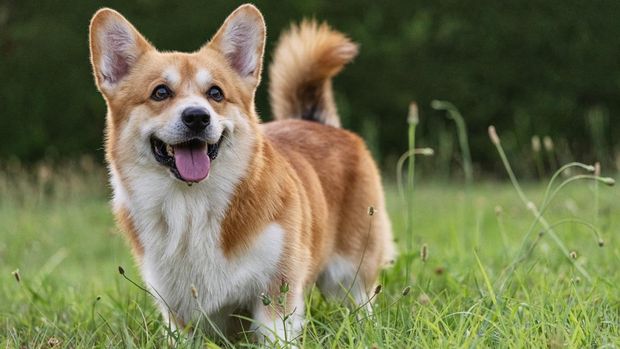
Research indicates that dogs adjust their facial expressions significantly when they have human attention compared to when they are ignored. Raising the eyebrows makes the eyes appear larger and more expressive, effectively facilitating non-verbal communication across species lines. The presence of these micro-expressions in daily interactions serves as an indicator of high social engagement, suggesting that the animal feels secure enough to actively communicate its emotional state and desires to its human observers.
Shadowing Behaviors: Understanding the "Velcro" Dog
The tendency of a dog to follow its owner from room to room—colloquially referred to as "shadowing" or acting as a "Velcro" dog—is often cited by owners as a primary sign of devotion. Because dogs are pack animals by nature, maintaining proximity to trusted leaders or companions is an instinctual survival mechanism. In a domestic context, moving alongside an owner signifies that the animal feels safe, comfortable, and emotionally anchored to that specific individual.
Nevertheless, veterinary behaviorists draw a sharp distinction between healthy companionship and pathological separation anxiety. While a confident dog will follow its owner out of casual interest and a desire to remain part of the group, an insecure dog may exhibit persistent distress, vocalization, destructive chewing, or frantic pacing the moment separation occurs. Ensuring that shadowing remains a positive behavioral trait requires providing the animal with independent mental stimulation, puzzle toys, and confidence-building exercises that prevent over-dependency.
Broader Implications and Practical Applications for Pet Owners
Recognizing and accurately interpreting these behavioral markers carries significant implications for modern animal welfare and veterinary care. As urbanization increases and more households integrate companion animals into their daily lives, understanding the emotional inner lives of dogs helps mitigate issues related to behavioral disorders, abandonment, and mistreatment. Animal shelters and rescue organizations increasingly educate prospective adopters on these subtle communication cues to ensure better matching between human lifestyles and canine temperaments.
Furthermore, veterinary science continues to explore how emotional fulfillment directly influences physiological health in domestic animals. Studies consistently demonstrate that dogs living in low-stress, emotionally rich environments exhibit stronger immune system responses, lower baseline cortisol (stress hormone) levels, and extended lifespans compared to those subjected to chronic domestic instability.
Ultimately, ensuring a dog lives a happy, balanced life requires a holistic approach that combines physical care—such as proper nutrition, routine veterinary check-ups, and adequate exercise—with emotional attunement. By paying close attention to the subtle language of tail wags, soft gazes, shared play, and respectful boundaries, owners can foster an environment where the human-animal bond reaches its full, mutually enriching potential.