The geopolitical landscape of the Middle East underwent a seismic shift on September 29, 2026, as details emerged regarding the clandestine and high-pressure selection of Mojtaba Khamenei as the new Supreme Leader of Iran. Six months after the death of Ayatollah Ali Khamenei—who was killed in a joint military operation conducted by Israel and the United States in late February—the inner workings of the Assembly of Experts have finally come to light. The transition, shrouded in secrecy and urgency, marks the beginning of a volatile new chapter for the Islamic Republic, with the 57-year-old Mojtaba Khamenei assuming the mantle of power amid existential threats from regional and global adversaries.
The Clandestine Succession Process
The process that led to the elevation of Mojtaba Khamenei was far from the standard procedural protocols traditionally associated with the Islamic Republic. According to Mohsen Heydari, a prominent member of the Assembly of Experts, the selection occurred under the shadow of direct military intervention. The Assembly’s operations were severely compromised after the Secretariat in Qom was targeted by an airstrike, resulting in the deaths of eight officials and the destruction of vital documentation regarding potential successors.
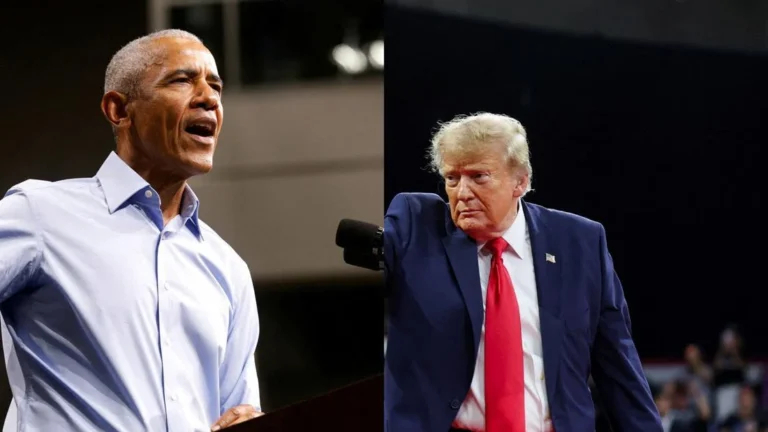
In the aftermath of the strike, the Assembly was forced to operate in a state of emergency. Members were summoned to an undisclosed, secure location without prior notice or an agenda. During this emergency session, Heydari took the lead in proposing Mojtaba Khamenei, despite explicit warnings from the United States, specifically from President Donald Trump, who had publicly pressured Iranian officials to avoid a dynastic succession.
A Reluctant Leader?
Perhaps the most striking revelation from Heydari’s interview with Al Araby is the assertion that Mojtaba Khamenei was initially unaware of his own nomination. Heydari claimed that Mojtaba remained in the dark until the official announcement was broadcast on state television on March 8, 2026. This detail suggests that the succession was driven by the urgency of the political elite rather than a long-term, coordinated transition plan involving the successor himself.
Despite his alleged lack of prior knowledge, Heydari maintained that once the decision was formally ratified by the Assembly, Mojtaba was legally and religiously obligated to accept the post. By securing 50 out of 59 votes, Mojtaba consolidated power rapidly, with only eight votes cast for Ayatollah Alireza Arafi and one abstention. This lopsided result underscores the urgency within the Assembly to maintain institutional continuity, even if it meant disregarding international diplomatic pressure.
Biographical Context: The Man Behind the Curtain
Before his elevation to the highest office in the country, Mojtaba Khamenei was often described as a "man behind the curtain." Unlike his predecessors or other high-ranking clerics, he has historically avoided formal government appointments or elected political positions. His career was largely defined by his role as a discreet but influential advisor to his father.
Observers of Iranian politics have long speculated about his influence within the Islamic Revolutionary Guard Corps (IRGC) and the intelligence apparatus. However, his lack of a public political record has made him an enigma to both domestic critics and foreign intelligence agencies. Analysts suggest that his hardline ideological stance—reportedly more uncompromising than that of his father—was a decisive factor for the Assembly, which feared that a more moderate candidate would be unable to navigate the state’s current military and economic crisis.
Chronology of the 2026 Crisis
The rapid ascent of the younger Khamenei is best understood through the sequence of events that defined the first half of 2026:
- Late February 2026: A joint US-Israeli military operation targets the top leadership of the Islamic Republic, resulting in the death of Supreme Leader Ayatollah Ali Khamenei.
- Early March 2026: The Secretariat of the Assembly of Experts in Qom is struck by missiles, destroying key records.
- March 8, 2026: Following an emergency session of the Assembly of Experts, Mojtaba Khamenei is announced as the new Supreme Leader of Iran.
- March–August 2026: The state undergoes a period of stabilization, during which Mojtaba consolidates support among the military leadership.
- September 2026: Mohsen Heydari provides the first public account of the selection process, confirming the internal turmoil and the lack of consensus prior to the vote.
Institutional Stability and Internal Challenges
The transition to Mojtaba Khamenei represents a significant departure from the established order. The Islamic Republic has historically emphasized a blend of theocratic legitimacy and institutional vetting. By selecting a successor who lacked an extensive public CV, the Assembly of Experts effectively prioritized the security of the regime over the traditional requirements of public clerical stature.
However, the legitimacy of this transition is expected to face challenges. The "hardline" reputation attributed to the new Supreme Leader suggests that Tehran may adopt a more confrontational foreign policy posture. Given that the United States and Israel have already demonstrated a willingness to target the highest levels of the Iranian leadership, the risk of further escalation remains high. The internal dissent, evidenced by the eight votes against Mojtaba and the abstention, indicates that there are factions within the clerical establishment that remain skeptical of a hereditary transition.
Geopolitical Implications
The appointment has drawn immediate reactions from international stakeholders. The United States has reiterated its stance that the succession does not alter the underlying policy of containment toward Iran. Meanwhile, regional neighbors are watching closely to see if Mojtaba will attempt to de-escalate regional tensions or double down on his father’s network of proxy alliances.
From an economic perspective, the new leadership faces the challenge of a nation battered by both external sanctions and the internal disruption caused by the recent conflict. The necessity for the Assembly to justify their choice to the public—as seen in Heydari’s public statements—suggests an awareness that the new leader must prove his capability in managing the economy and the state’s security apparatus quickly to avoid domestic unrest.
Fact-Based Analysis
The selection of Mojtaba Khamenei is, by all accounts, a survivalist maneuver. By choosing a figure who was already deeply embedded in the inner sanctum of the late Ayatollah’s influence, the Assembly sought to prevent a power vacuum that could have led to a collapse of the state structure.
However, the "lack of knowledge" aspect of his appointment raises questions about the transparency of the Assembly of Experts. If the supreme leadership of a nation can be determined in a secure room, under the threat of bombardment, and without the candidate’s prior consent, the democratic elements—however limited—of the Iranian constitution are effectively rendered obsolete. The reliance on the military and security establishment to enforce this transition will likely define the trajectory of the Iranian government for the foreseeable future.
Conclusion: The Future of the Republic
As Iran navigates the post-Khamenei era, the spotlight remains firmly on Mojtaba. The coming months will be critical in determining whether he can transition from a shadow advisor to a head of state capable of navigating complex international negotiations while maintaining domestic order. With the memory of the February strikes still fresh and the regional security environment increasingly hostile, the newly minted Supreme Leader faces a precarious path. The revelation of the events of March 2026 serves as a stark reminder that in the high-stakes world of Iranian politics, the most significant shifts often occur in the dark, only to emerge when the survival of the state is at its most desperate hour.