The intersection of personal passion and professional enterprise has long been a pursuit for many, yet few sectors offer the visceral satisfaction found in the tourism industry. As global mobility rebounds from the stagnation of the early 2020s, the travel market is witnessing a fundamental shift toward experiential, personalized, and hyper-local tourism. For individuals who possess a deep-seated affinity for exploration, the prospect of transforming a hobby into a sustainable revenue stream has moved from a lifestyle dream to a viable economic strategy. Industry data from the World Travel & Tourism Council (WTTC) indicates that the tourism sector’s contribution to global GDP is expected to reach approximately $11.1 trillion in 2024, signaling that the demand for diverse travel services has never been higher.
The Evolution of the Modern Travel Entrepreneur
Historically, the travel industry was dominated by large-scale tour operators and multinational travel agencies. However, the post-pandemic landscape has empowered individual entrepreneurs and boutique operators to capture significant market share. The rise of social media platforms and digital booking tools has leveled the playing field, allowing smaller, agile businesses to reach niche audiences that mass-market providers often overlook.
Market analysts observe that modern travelers are increasingly seeking "authentic" experiences rather than generic, pre-packaged itineraries. This behavioral shift creates a vacuum that smaller, localized business models—such as specialized vehicle rentals, boutique tour planning, and professional guiding services—are uniquely positioned to fill. By leveraging local knowledge and personal expertise, entrepreneurs can provide a level of service that larger firms often struggle to replicate.

Strategic Entry: The Vehicle Rental Sector
One of the most accessible entry points for aspiring travel entrepreneurs is the vehicle rental industry. While high-capital investment is often associated with fleet management, the business model has diversified to include asset-light strategies. For individuals possessing underutilized vehicles, the "peer-to-peer" rental model offers a streamlined path to generating passive income.
According to industry trends, the global car rental market is projected to reach $145 billion by 2028, with a significant portion of this growth attributed to the increasing demand for private, flexible transportation. For those lacking a fleet, acting as a broker or an affiliate for larger rental platforms allows individuals to monetize their network and local presence without the overhead costs of maintenance, insurance, and depreciation. This role requires meticulous coordination and customer service skills, as the entrepreneur acts as the vital link between the service provider and the end-user.
Curating Experiences: The Rise of Boutique Tour Packages
For the entrepreneur who possesses a keen eye for discovery and logistical planning, the curation of boutique tour packages represents a high-growth opportunity. Unlike conventional travel agencies, modern boutique tour operators focus on specific themes—such as culinary expeditions, eco-tourism, or adventure photography tours—that cater to specific demographics, particularly Gen Z and Millennial travelers.
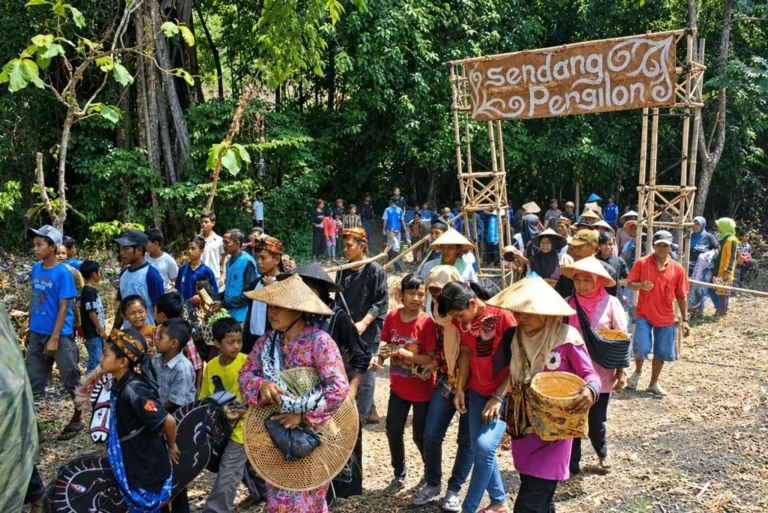
The success of this model is predicated on the depth of the operator’s local intelligence. Data from travel consumer reports suggest that travelers are 60% more likely to book a trip if it includes "insider access" to local experiences that are not widely advertised. To succeed in this segment, entrepreneurs must move beyond the standard tourist circuits. By partnering with local vendors, hidden-gem restaurants, and community-led initiatives, tour organizers can create value-added experiences that command a premium price point. Ensuring that these destinations offer modern infrastructure—such as reliable connectivity and sanitation—remains a critical requirement for maintaining high satisfaction scores.

Professional Guiding: The Human Element of Tourism
As tourism becomes increasingly digitized, the human element—the professional guide—has paradoxically become more valuable. The role of a travel guide has shifted from a mere narrator of historical facts to a curator of experiences and a cultural bridge. For the enthusiast, this represents a unique opportunity to monetize their deep knowledge of a specific region.
Professional associations for tour guides note that the demand for specialized, multilingual guides is currently outpacing supply in major tourist hubs. The ability to communicate in multiple languages serves as a significant force multiplier for business growth, allowing the operator to tap into international markets. Furthermore, the rise of "Slow Travel," a movement emphasizing deep engagement with a destination rather than rapid sightseeing, places a premium on guides who can offer context, historical depth, and cultural nuance.
Economic Implications and Market Viability
The economic viability of these travel-based businesses is supported by a robust macroeconomic framework. The "experience economy," a term coined to describe the shift in consumer spending from goods to experiences, continues to drive growth in the travel sector. For the individual entrepreneur, the primary challenge is not the lack of demand, but the necessity of professionalization.
Market experts emphasize that while passion is the catalyst, financial rigor is the foundation. Successful travel businesses require:

- Strategic Marketing: Utilizing digital platforms to target specific, high-intent audiences.
- Operational Efficiency: Streamlining the booking process and customer communication.
- Risk Management: Navigating the complexities of local regulations, liability insurance, and fluctuating seasonal demand.
The Role of Technology in Scaling Operations
The integration of technology is no longer optional for small-scale travel operators. The widespread adoption of cloud-based management systems allows even a one-person operation to manage bookings, payments, and customer relationship management (CRM) from a mobile device. By utilizing these tools, entrepreneurs can maintain the agility required to pivot when market conditions change, such as during seasonal downturns or sudden shifts in travel trends.
Analyzing the Future Outlook
Looking ahead, the travel industry is expected to become increasingly fragmented, favoring those who can offer highly personalized service. The convergence of technology and human-led experiences will likely define the next decade of tourism. For the aspiring entrepreneur, the primary takeaway is clear: the most successful businesses will be those that integrate their personal passion for exploration with a structured, professional approach to customer service.
Industry stakeholders, including local tourism boards and regional chambers of commerce, have increasingly begun to support these micro-entrepreneurship models through grants and training programs. This institutional support highlights the recognition that small, travel-based businesses are essential for driving local economic development and ensuring that tourism dollars are distributed more equitably across the community.
Conclusion
Transforming a love for travel into a business is an ambitious endeavor that requires a synthesis of creativity, logistics, and professional discipline. Whether through the management of rental assets, the curation of bespoke travel experiences, or the provision of expert guidance, the opportunities for growth are significant. By prioritizing high-quality, authentic experiences and leveraging modern digital infrastructure, individuals can build sustainable, rewarding businesses that celebrate the joy of exploration. As the global travel landscape continues to evolve, those who remain adaptable, informed, and customer-focused will find that the world, quite literally, becomes their office. The transition from travel enthusiast to travel entrepreneur is not merely a change in occupation; it is an entry into a global ecosystem that values unique perspectives and the human connection that only travel can provide.