The shadow of a global clean water crisis looms large over contemporary society, prompting the United Nations to enshrine clean water and sanitation as a core objective within its Sustainable Development Goals (SDGs) for the 2015-2030 agenda. This escalating crisis is driven not solely by shifting global climate patterns, but significantly by anthropogenic factors including rapid urbanization, massive industrialization, population growth, and the relentless exploitation of natural resources. In Indonesia, this phenomenon transcends abstract global discourse, manifesting as a stark reality in provinces such as Central Java, where numerous regions have faced prolonged difficulties in accessing reliable water sources. The resulting decline in agricultural productivity, compounded by household water insecurity and public health vulnerabilities among at-risk demographics, underscores an urgent need for multi-faceted mitigation strategies. Addressing this challenge requires robust infrastructure development, adaptive regional policymaking, and systemic educational initiatives deeply rooted in local cultural frameworks.
Global Water Scarcity and Local Realities in Central Java
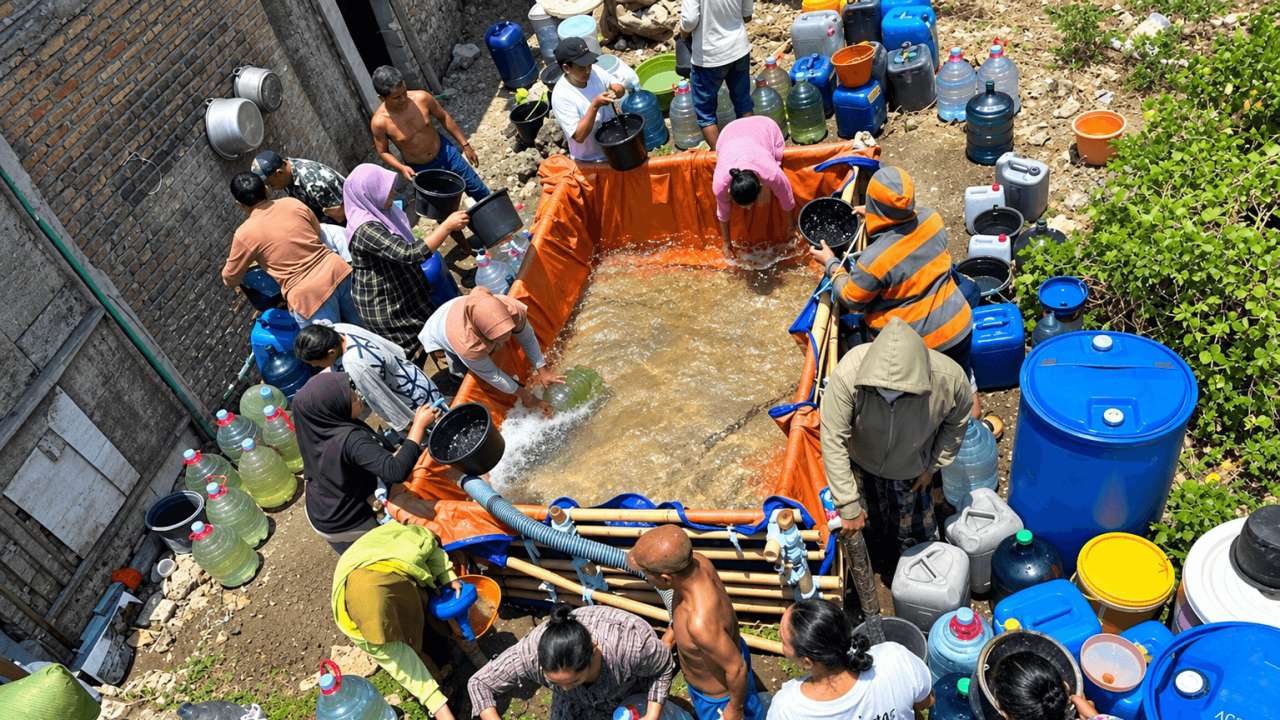
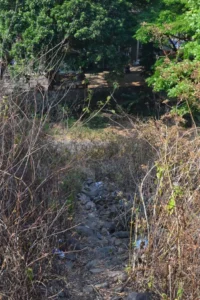
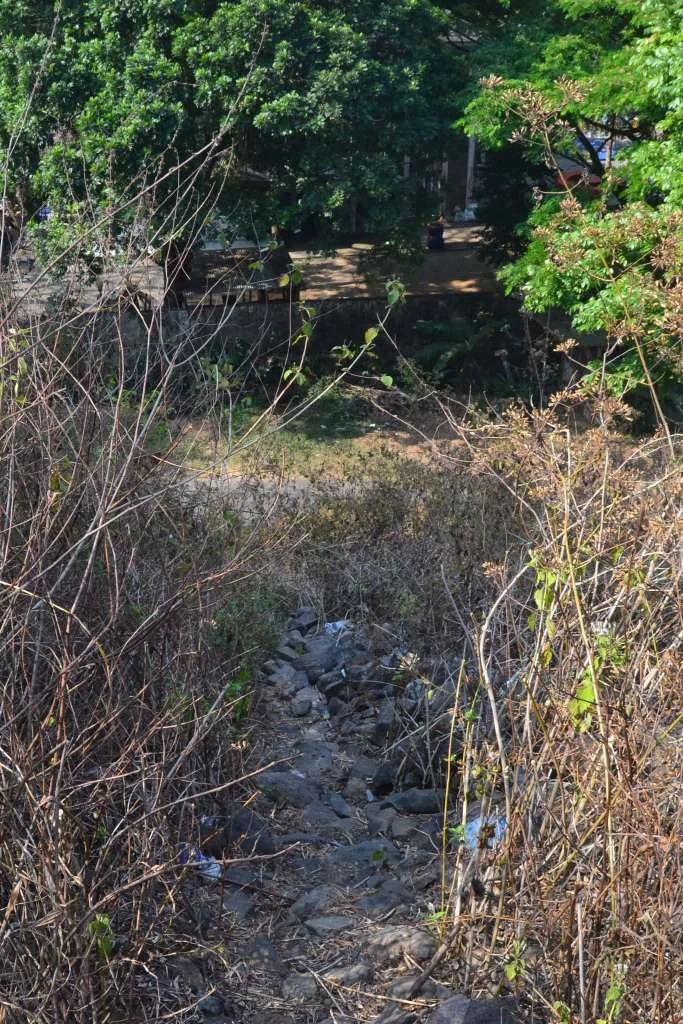
To understand the severity of the water crisis in Central Java, one must examine the intersection of environmental degradation and socio-economic vulnerability. Over recent months, recurring dry spells and depleted aquifers have severely disrupted rural livelihoods, forcing communities to rely on emergency water distributions or contaminated residual water in riverbeds. Public health officials have repeatedly warned that diminished water quality directly correlates with outbreaks of waterborne illnesses, disproportionately affecting children and the elderly.
While engineering solutions and regulatory frameworks are indispensable, environmental experts increasingly emphasize the value of community-based conservation models. Historically, indigenous communities across the Indonesian archipelago developed sophisticated systems of ecological stewardship embedded within cultural rituals. Rather than viewing tradition as mere folklore, modern policymakers are beginning to recognize that ancestral practices often hold empirical wisdom regarding watershed management and ecological preservation.
The Anatomy of Laku Banyu Panguripan

A prime example of cultural ecology in action is found in the Central Java town of Kudus, where annual commemorative events double as profound environmental affirmations. On January 3, 2026, the streets stretching from the city square to the historic Menara Kudus (Kudus Minaret) illuminated the night sky with hundreds of torches carried by thousands of participants. This vibrant procession formed the cornerstone of the 491st ta’sis (founding anniversary) celebration of the Menara Kudus Mosque, an observance traditionally held on the 19th of Rajab.
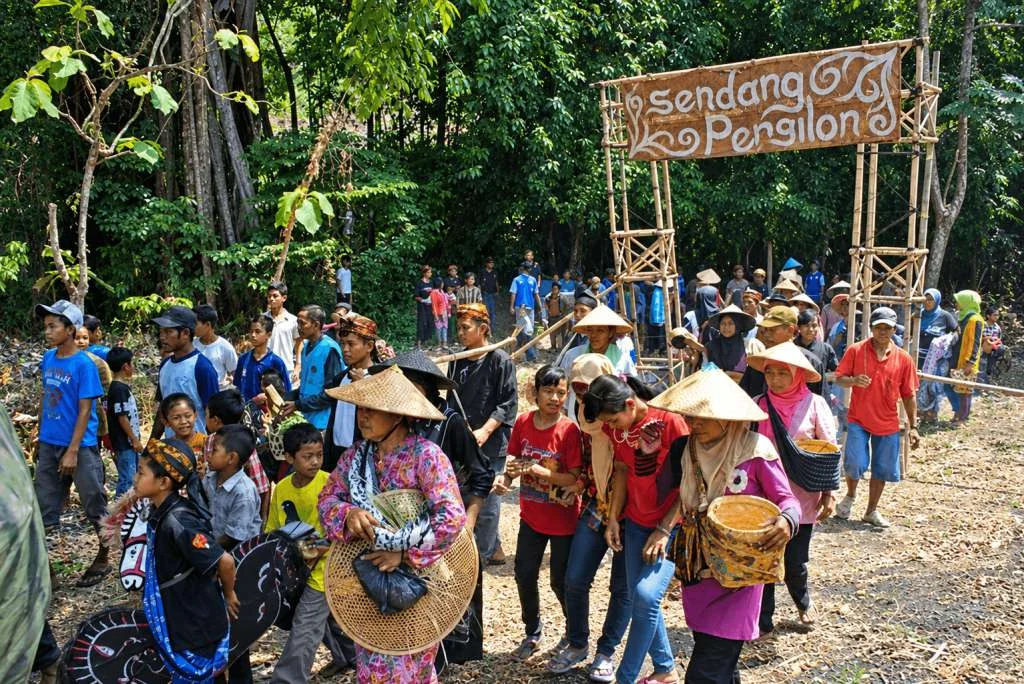
Central to this celebration is the procession known as Laku Banyu Panguripan, or the ritual of life-giving water. The ceremony centers on the collection and unification of water from 554 distinct sources, including sacred wells (belik), natural springs (sendang), historical sites associated with the Walisongo (the nine saints of Javanese Islam), and even water brought from Zamzam. These waters are ceremoniously transported from the regency pavilion to the base of the Menara Kudus, where they are consolidated into two massive earthenware vats. Following a collective prayer and nineteen complete readings of the Quran—a spiritual preparation preceding the public distribution—the blended water is distributed to eager attendees who line up with containers, firmly believing in its spiritual blessings.
Historical Roots and Ecological Stewardship

Beyond its undeniable religious and cultural significance, Laku Banyu Panguripan encapsulates a deeper ecological narrative. The tradition is historically anchored in the spiritual journey and propagation of Islam by Raden Ja’far Shadiq, commonly known as Sunan Kudus, alongside his disciples. During their missionary activities in the 16th century, these religious figures did not merely impart theological doctrines; they established the material foundations of community survival by identifying, constructing, and protecting vital water sources across the region.
Generations later, these springs and wells continue to serve as the lifeblood of Kudus, sustaining both ritual practices and daily agricultural and domestic needs. Anthropologist Clifford Geertz long argued that cultural traditions are externalizations of a society’s ethos, capturing the collective memory of how ancestral populations interacted with and adapted to their surrounding environment. In this light, Laku Banyu Panguripan is not an isolated performance of nostalgia, but a historical blueprint for sustainable water management.
Sacralization as an Environmental Conservation Strategy

A critical analysis of the traditions surrounding Kudus’s water sources reveals a fascinating convergence between spiritual taboos and environmental conservation. Across various villages in Kudus, local customs dictate strict preservation protocols for the areas surrounding sacred springs. Communities routinely engage in annual clean-up rituals known as resik-resik sendang, maintaining the cleanliness of the water basins and protecting the surrounding flora.
Crucially, the preservation of these water catchments has historically been reinforced by localized beliefs regarding the sacredness or mystical aura of the sites. Large, centuries-old trees with deep root systems—vital natural mechanisms for groundwater recharge—are left untouched because villagers fear the ecological and social repercussions of disturbing sacred grounds. While modernization has sometimes secularized these practices, the net ecological result has functioned as an effective de facto conservation policy, preserving subterranean aquifers from over-extraction and deforestation long before modern environmental agencies enacted formal protections.
Bridging Tradition and Modern Policy for Sustainable Water Security

As climate change accelerates unpredictable weather anomalies, environmental scientists and regional authorities face mounting pressure to diversify their mitigation toolkit. Experts argue that integrating indigenous ecological knowledge with contemporary municipal planning offers a viable pathway toward long-term water security.
The traditional reverence for water demonstrated in Kudus provides an invaluable template for public education campaigns. By framing environmental conservation not merely as a technical mandate, but as a moral and cultural imperative rooted in local identity, regional governments can foster deeper civic engagement. Educational curricula, village-level assemblies, and cultural festivals can be leveraged to disseminate the ecological wisdom embedded within rituals like Laku Banyu Panguripan.
Ultimately, addressing the global clean water crisis requires localized resilience. When traditional practices are revitalized not only as tourist attractions or spiritual exercises, but as active frameworks for ecological stewardship, communities are better equipped to safeguard their vital resources. The enduring flow of the springs of Kudus stands as a testament to the fact that honoring the wisdom of the past may well hold the key to sustaining life in the future.