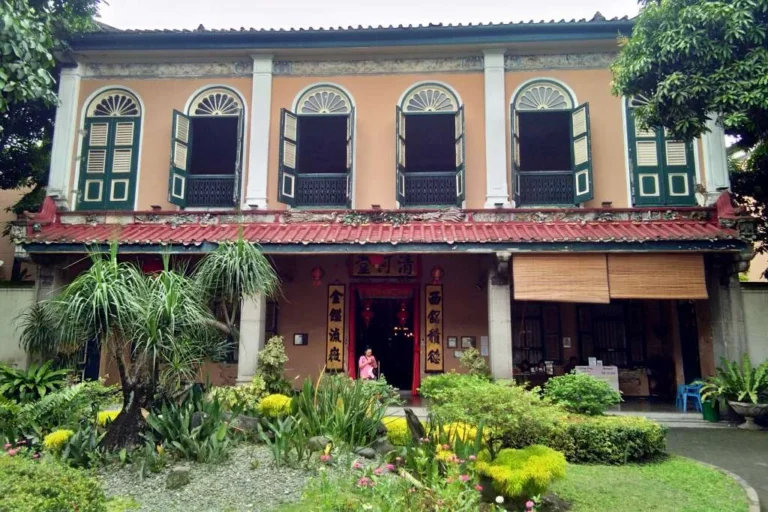
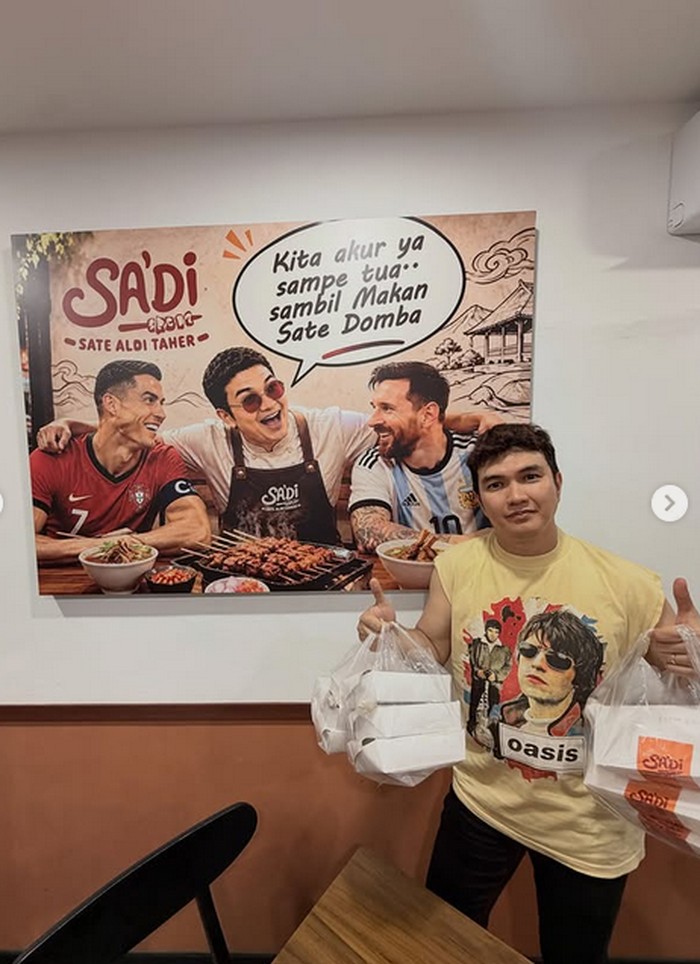
The Indonesian entertainment industry, often characterized by its dynamic shifts between celebrity performance and entrepreneurial ventures, has witnessed a new development as public figure Aldi Taher officially expanded his culinary portfolio. On November 12, 2026, the entertainer announced the grand opening of his latest business venture, a restaurant specialized in mutton-based cuisine. Located in the strategic district of Cilandak, South Jakarta, the establishment, branded as "Sadi" (an acronym for Sate Aldi Taher), marks a significant pivot toward the traditional Indonesian dining segment, moving away from his previous ventures in burger and fried chicken outlets.

The Evolution of a Celebrity Culinary Brand
Aldi Taher has become a recognizable figure in the domestic food and beverage scene, largely due to his unconventional marketing style and high-visibility social media campaigns. His entry into the restaurant industry is not a spontaneous decision but rather part of a broader trend among Indonesian celebrities who leverage their personal branding to penetrate the competitive F&B market.
Unlike previous ventures which focused on fast-casual Western-style items, the "Sadi" concept emphasizes traditional Indonesian flavors, specifically focusing on the versatility of mutton. By narrowing the scope of the menu to specialized dishes such as mutton skewers (sate) and mutton soup (sop), the restaurant aims to capitalize on the high demand for protein-rich, localized comfort food in the South Jakarta area. The strategic location in Cilandak serves as an accessible hub for both office workers and residents, a demographic known for its preference for high-quality, authentic culinary experiences.

Culinary Offerings and Signature Menu
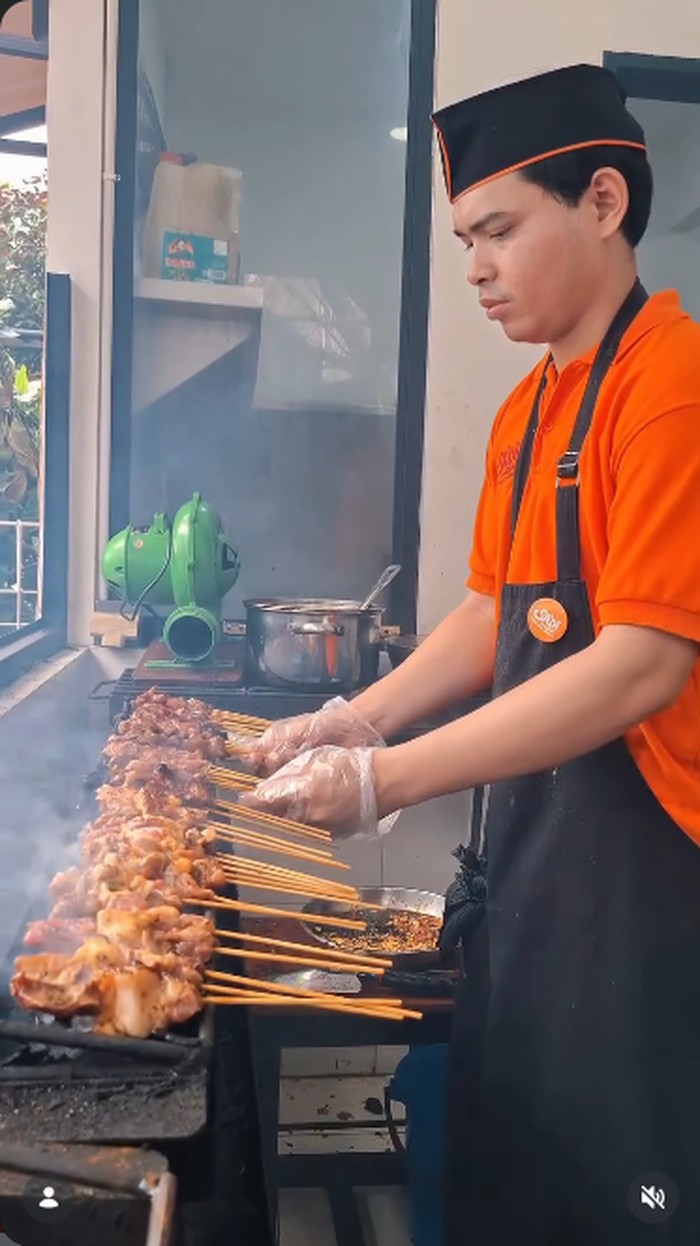
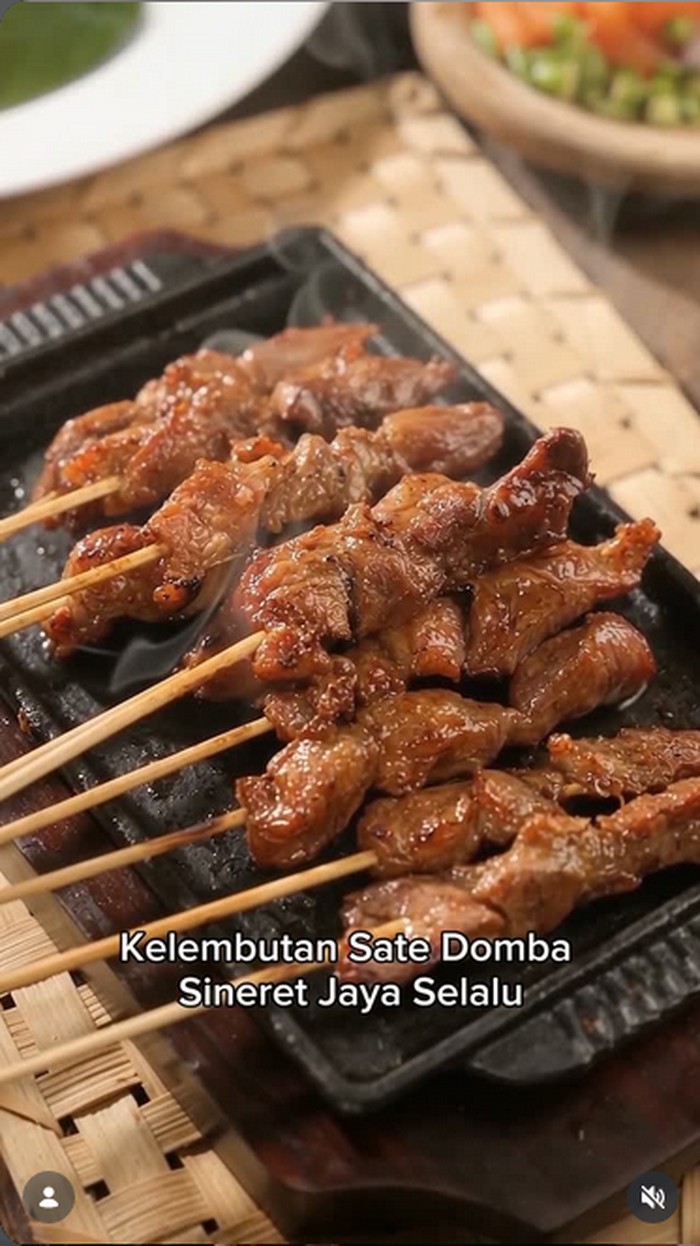
The restaurant’s signature offering, "Sate Domba Sineret Jaya Selalu," distinguishes itself from standard street-side vendors by utilizing a hotplate service model. This technical choice serves two primary functions: maintaining the optimal serving temperature for the meat—which is crucial for mutton-based dishes to prevent the solidification of fats—and enhancing the overall dining experience through visual and auditory appeal as the meat sizzles upon arrival at the table.
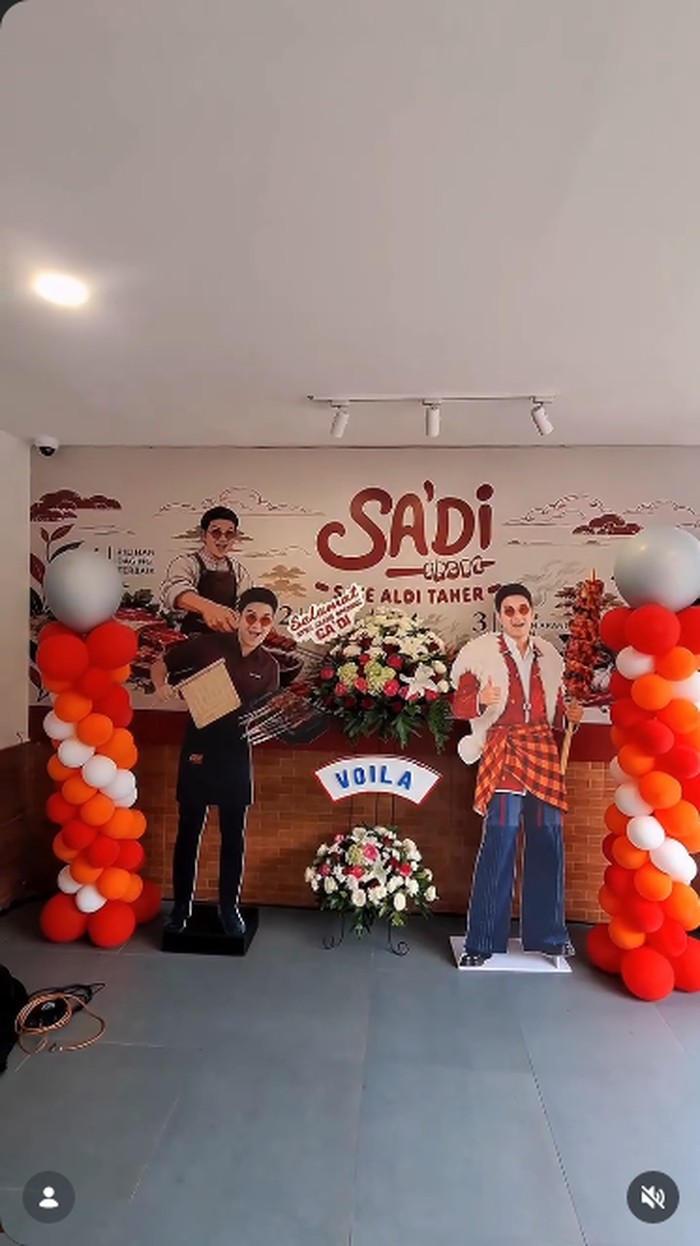
In addition to the skewers, the establishment serves a variety of traditional soups, notably the "Sop Domba Penuh Berkah." The culinary approach at Sadi reflects a broader market interest in "premium-casual" dining, where familiar, traditional recipes are elevated through better presentation, cleaner facilities, and a cohesive brand narrative. The inclusion of mural-based decor, featuring the proprietor himself, reinforces the brand identity, turning the physical space into an immersive experience that aligns with the entertainer’s public persona.
Industry Context: Celebrity-Led F&B Ventures
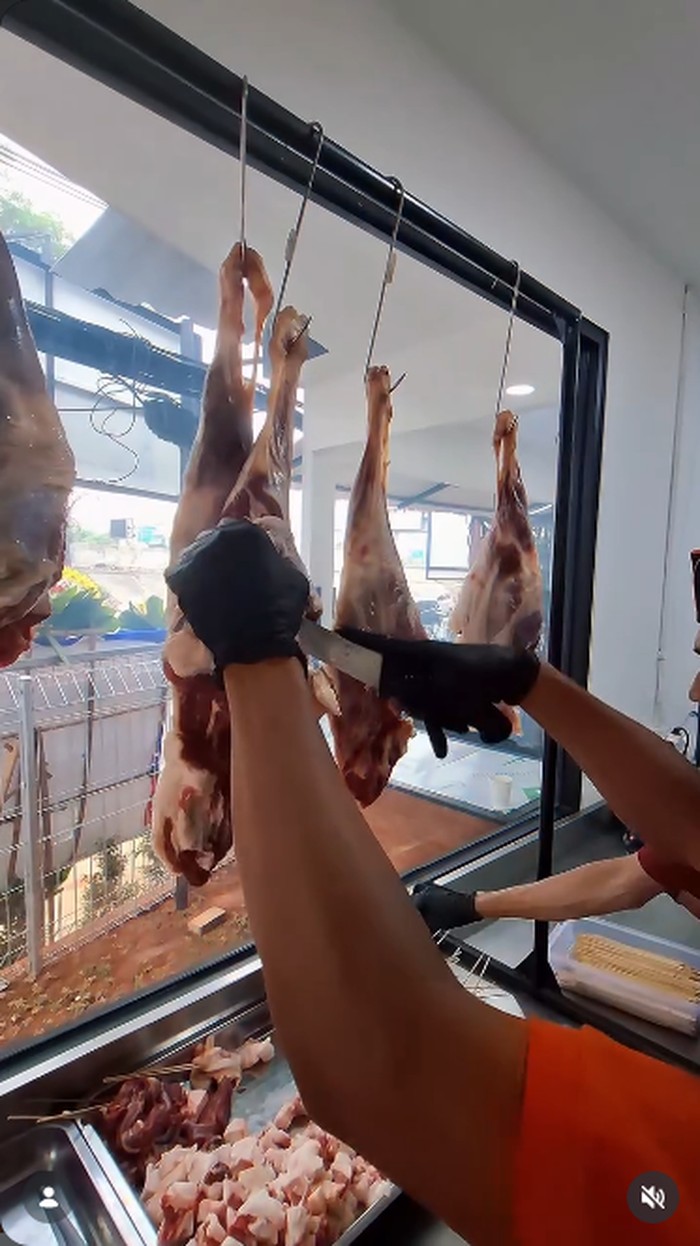
The entry of media personalities into the food industry is a well-documented phenomenon in Indonesia. Data from various market research firms indicates that the F&B sector remains the most popular destination for celebrity investments due to its high turnover and direct consumer interaction. However, the mortality rate for such businesses is historically high. Industry analysts note that while celebrity branding can guarantee high foot traffic during the initial "hype" phase, long-term viability depends on operational consistency, supply chain management, and the ability to maintain quality control.
The decision to focus on mutton is strategically sound within the current market climate. Mutton and lamb dishes maintain a loyal customer base in Jakarta, often associated with festive occasions and health-conscious dining, given the high protein content. By positioning Sadi as a specialized destination, Aldi Taher is moving away from the saturated "generalist" fast-food market, potentially securing a more stable niche.
Marketing and Brand Positioning
Aldi Taher’s promotional strategy for Sadi has been characterized by high-energy, unconventional, and frequently viral social media content. Through his official Instagram handle, @sadi.satealditaher, the proprietor has maintained a consistent stream of engagement, documenting the preparation of the restaurant, the grand opening, and his own personal involvement in the kitchen.
This hands-on approach is designed to foster a sense of authenticity. By appearing in promotional material wearing the restaurant’s apron, Taher attempts to bridge the gap between the "celebrity owner" and the "service provider." This strategy is effective in the Indonesian context, where consumers often value the perceived personality and direct involvement of the founder. However, from a business management perspective, the sustainability of this model relies on the transition from reliance on the founder’s popularity to the establishment of a robust, independent operational system that can function effectively without the owner’s constant physical presence.
Operational Challenges and Future Outlook
Entering the competitive F&B market in South Jakarta presents significant operational hurdles. Rising overhead costs, including commercial real estate rents in Cilandak and the fluctuating prices of quality livestock, require a disciplined approach to financial management.
Furthermore, the "Sate" category is notoriously competitive, with legacy brands and established local stalls setting a high bar for taste and price-point. For Sadi to succeed, the business must ensure that its product quality remains consistent. The use of hotplates and the specific naming conventions of the menu items suggest a desire to differentiate the brand as a "premium" alternative to traditional street stalls.
Looking ahead, the scalability of the brand remains a point of interest for industry observers. Should the Cilandak branch prove successful, the potential for franchising or expansion into other urban centers would depend on the ability to standardize the cooking process—a challenge many celebrity-led restaurants face when attempting to grow beyond a single, flagship location.
Broader Economic Implications
The growth of such businesses contributes to the local economy by creating employment opportunities and stimulating the supply chain, specifically for local farmers and livestock producers. As the Indonesian middle class continues to expand, the demand for varied and accessible dining experiences will likely continue to rise.

The success of Sadi, or similar ventures, is often seen as a bellwether for the resilience of the local F&B industry. Despite economic pressures, the appetite for dining out remains a core component of urban lifestyle in Jakarta. The transition from digital influence to brick-and-mortar reality signifies a shift in how influencers and celebrities view their long-term careers, moving away from purely ad-based revenue toward tangible asset ownership.
Conclusion: A Strategic Pivot
Aldi Taher’s venture into the mutton culinary space represents a calculated effort to diversify his income streams and leverage his public profile into a sustainable business model. By focusing on a specific culinary niche and utilizing a unique marketing strategy, he has managed to create a buzz around his new establishment.
As the restaurant settles into its daily operations, the focus will inevitably shift from marketing to operations. The long-term success of Sadi will not be determined by viral videos or celebrity associations, but by the fundamental principles of the restaurant industry: consistent food quality, efficient service, and the ability to adapt to the evolving tastes of the Jakarta consumer. For now, Sadi stands as a testament to the ongoing intersection of pop culture and the Indonesian culinary industry, a sector that remains as vibrant and unpredictable as ever. The coming months will be critical in determining whether Sadi can evolve from a celebrity-backed project into a permanent fixture in the culinary map of South Jakarta.