For centuries, beauty rituals across East and Southeast Asia have favored natural ingredients, with rice water standing out as a cornerstone of traditional skincare. Often discarded as a byproduct of food preparation, rice water is gaining renewed attention from the global wellness community. Recent reports from international health and nutrition sources, including NDTV Food, have highlighted the potential dermatological benefits of consuming rice water, suggesting that its nutrient profile—rich in vitamins, antioxidants, and amino acids—may contribute to skin health from the inside out.
The Science Behind the Tradition
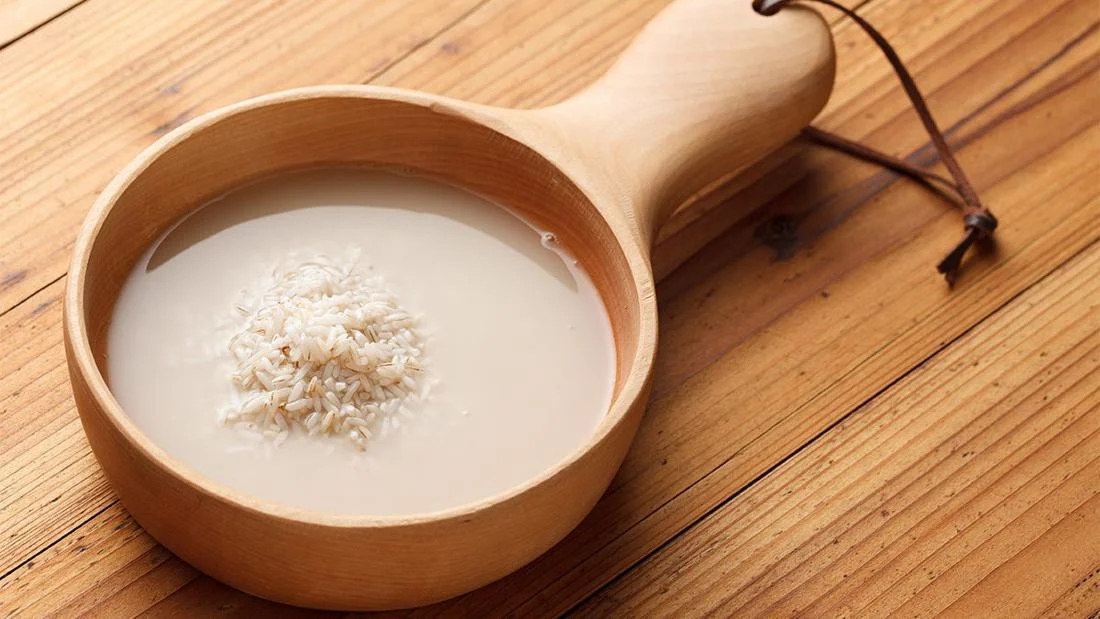
The efficacy of rice water lies in its complex chemical composition. When rice is soaked or boiled, it releases a milky fluid containing starch, vitamins, and various bioactive compounds. Historically, women in Japan and Korea have used this water as a facial rinse or hair tonic to achieve a radiant complexion and long, lustrous hair.
In the modern context, researchers are increasingly investigating whether systemic intake of these compounds yields similar results. According to data supported by the National Institutes of Health (NIH), the ceramides found in rice possess the capacity to fortify the skin’s lipid barrier. This barrier is essential for preventing transepidermal water loss (TEWL), the process by which skin loses moisture to the environment. By reinforcing this barrier, rice water consumption may theoretically improve the skin’s overall hydration and structural integrity.
1. Enhancing Skin Hydration and Barrier Function
The skin serves as the body’s primary defense against environmental stressors, including pollution, UV radiation, and dry air. The integrity of this barrier depends heavily on the presence of ceramides—fatty molecules that act as "mortar" between skin cells.
Clinical observations indicate that the starch and ceramide-rich profile of rice water can assist in maintaining this barrier. When consumed, these components may support the body’s internal hydration mechanisms. Research published in dermatological journals suggests that individuals who incorporate rice-derived nutrients into their diet may see a reduction in the rate of moisture loss, which is particularly beneficial for those living in arid climates or urban areas with high pollution levels. A well-hydrated barrier is inherently more resilient, helping to prevent the flakiness and sensitivity often associated with compromised skin health.
2. Combating Premature Aging
Aging is a multifaceted process characterized by the gradual degradation of the skin’s extracellular matrix. Central to this process is oxidative stress, caused by an imbalance between free radicals and the body’s antioxidant defenses.

Rice water contains potent antioxidants, most notably ferulic acid and gamma-oryzanol. Ferulic acid is widely recognized in cosmetic chemistry for its ability to neutralize free radicals, which are generated by UV exposure and pollution. By mitigating oxidative stress, these compounds help protect the structural proteins—collagen and elastin—that give skin its firm, youthful appearance. Regular consumption of rice water is hypothesized to provide a steady supply of these antioxidants, potentially slowing the appearance of fine lines and wrinkles by preserving the skin’s natural elastic fibers.
3. Promoting a Brighter, Even Complexion
Hyperpigmentation and uneven skin tone are common concerns often linked to inflammation and the overproduction of melanin. The traditional belief that rice water brightens the skin is now being examined through the lens of modern biochemistry.
Studies have identified that rice-derived ceramides can modulate melanin production. By regulating the pathways that trigger pigment synthesis, the regular intake of rice water may help in reducing the visibility of dark spots and hyperpigmentation. Furthermore, by improving the general health of the skin barrier, the skin becomes better equipped to reflect light evenly, contributing to a "glow" that many associate with healthy, youthful skin.
4. Mitigating Inflammatory Skin Conditions
Inflammation is the root cause of many dermatological issues, including acne, rosacea, and eczema. Rice water contains allantoin, an organic compound known for its soothing and anti-inflammatory properties. Allantoin is frequently used in topical skincare products to calm irritated skin and accelerate wound healing.
When ingested, the anti-inflammatory properties of rice water may work systemically to quiet the body’s inflammatory response. This internal calming effect is particularly relevant for individuals prone to systemic inflammation that manifests on the skin as chronic redness or cystic acne. By reducing the overall inflammatory load in the body, rice water serves as a supportive nutritional tool for managing reactive skin types.
5. Supporting Collagen Synthesis
Collagen is the primary structural protein in the skin, responsible for its tensile strength. As the body ages, fibroblast activity—the cells responsible for producing collagen—naturally declines.
Recent research on fermented rice extracts suggests a promising correlation between rice-derived nutrients and the activation of fibroblast cells. These cells play a critical role in tissue repair and the maintenance of the dermal matrix. By providing the necessary precursors and supporting the cellular machinery involved in collagen production, rice water may act as a supplementary aid in sustaining skin firmness over time. While direct evidence in human trials remains an area of active study, the metabolic support provided by the amino acids in rice water offers a logical mechanism for long-term skin health.

Safety Considerations and Contraindications
Despite the potential benefits, nutritional experts emphasize that rice water is not a panacea and should be approached with caution. The safety profile of consuming rice water varies significantly based on individual health status and preparation methods.
- Arsenic Exposure: Rice is known to absorb inorganic arsenic from the soil and water. While the levels are generally low, regular consumption of rice water—especially if the rice is not sourced from low-arsenic fields—could theoretically lead to an accumulation of this heavy metal. Pregnant women are strongly advised to exercise caution or consult with a healthcare professional, as arsenic exposure poses developmental risks.
- Glycemic Impact: Rice water is essentially a starchy solution. For individuals with diabetes or those managing insulin resistance, the consumption of rice water can trigger rapid spikes in blood glucose levels. Monitoring carbohydrate intake remains vital for these populations, and rice water should be factored into daily caloric and glycemic planning.
- Preparation Hygiene: The quality of the rice used is paramount. Rice water should ideally be prepared from organic, well-rinsed grains to minimize the presence of pesticides and surface impurities. Fermented rice water, while popular, also requires careful handling to prevent the growth of harmful bacteria during the fermentation process.
The Broader Context of Nutritional Skincare
The shift toward "ingestible beauty" reflects a growing consumer interest in the link between diet and appearance. The rise of rice water as a health trend is part of a larger movement that emphasizes whole-food nutrition over synthetic supplements.
Industry analysts note that the global market for skincare-supportive foods is expanding at an accelerated rate. As consumers become more discerning about the ingredients in their beauty products, they are increasingly looking to their kitchens for solutions. However, dermatologists stress that oral consumption of nutrients like those found in rice water should complement—not replace—a comprehensive skincare routine that includes UV protection, topical hydration, and professional medical advice for specific skin conditions.
Conclusion: A Measured Approach
The tradition of using rice water for skin health is backed by a compelling, albeit emerging, body of scientific evidence. Its ability to hydrate, brighten, and protect the skin through a combination of starch, ceramides, and antioxidants makes it a viable candidate for natural skincare regimens.
Nevertheless, the transition from topical application to systemic consumption requires a nuanced understanding of one’s own health. While the prospect of achieving "youthful" skin through a simple kitchen staple is enticing, it is essential to balance this practice with safety. Future research will likely provide more definitive clinical data on the bioavailability of rice-derived compounds when ingested, but for now, rice water stands as a testament to the enduring wisdom of traditional practices supported by modern scientific inquiry. As with any significant change to one’s diet, moderation and medical consultation remain the best practices for those looking to harness the potential beauty benefits of rice water.