The digital landscape has once again become a battleground for public discourse as social media personality and gamer Livy Renata finds herself at the center of a heated debate regarding her lifestyle choices. Known for her prominent presence on platforms such as Instagram and TikTok, the 2002-born influencer has recently drawn significant criticism from netizens who perceive her frequent international excursions and high-profile culinary adventures as insensitive to the current socioeconomic climate in Indonesia. This controversy highlights the growing tension between the curated, aspirational content favored by modern influencers and the changing expectations of their audience in an era of heightened social awareness.

The Anatomy of the Controversy
The criticism leveled against Livy Renata is rooted in the concept of being "tone-deaf"—a term frequently used in digital discourse to describe public figures who display perceived wealth or privilege in a manner that appears detached from the struggles of the general population. For many followers, Livy’s routine of jumping between global capitals—ranging from the neon-lit streets of Tokyo to the bustling food markets of Bangkok and the refined dining establishments of Shanghai—has crossed a threshold of acceptability.
Observers have pointed out that while the influencer presents these travels as personal milestones or "youthful exploration," the repetitive nature of the content during a time when many Indonesians are facing economic pressures creates a psychological divide. The crux of the criticism is not necessarily the act of traveling itself, but the frequency and the visible indulgence in luxury, which critics argue serves to exacerbate feelings of inequality.

A Chronology of Public Sentiment
Livy Renata’s rise to fame was characterized by her candid, often naive persona, which endeared her to a wide audience. However, as her career transitioned from niche gaming content to mainstream lifestyle influencing, the scrutiny surrounding her expenditures and travel habits intensified. Throughout 2026, her social media feeds remained a showcase of international mobility.
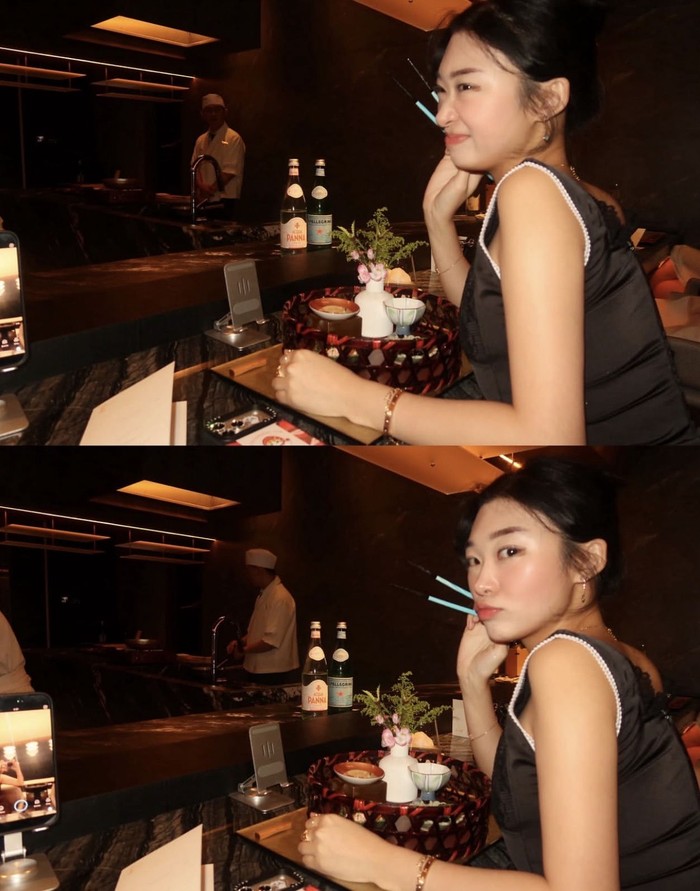
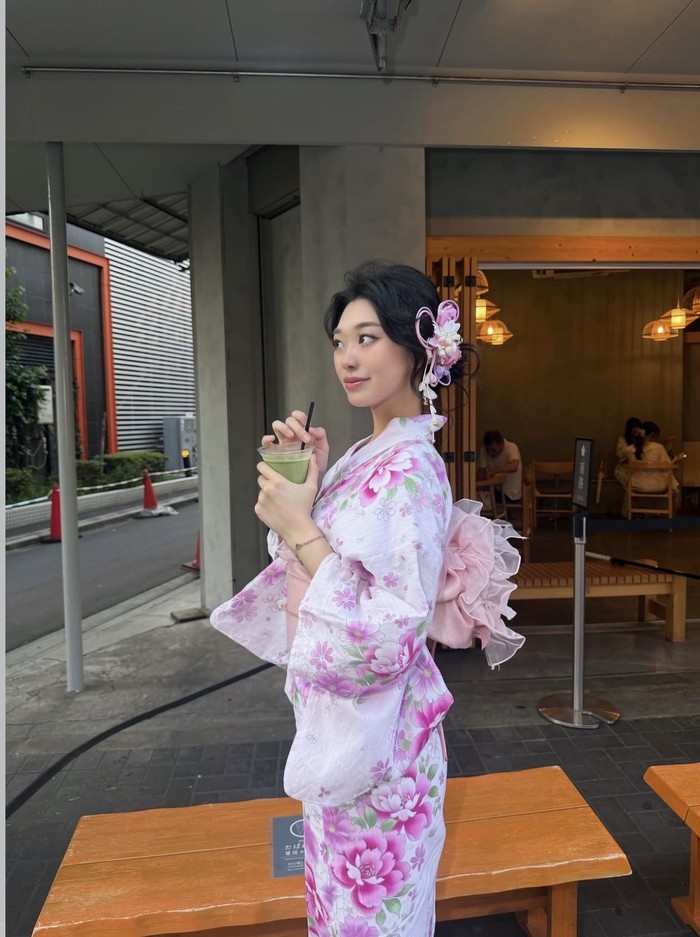
In early 2026, initial positive engagement began to shift. Fans who once celebrated her adventures started questioning the necessity of her constant travel. By the second half of the year, the comment sections of her posts became dominated by users questioning her lack of acknowledgment regarding domestic socio-economic challenges. This reached a boiling point in November 2026, when a series of photos depicting her in various international settings—including a refined dining experience in China and a cultural excursion in Japan—triggered a wave of negative sentiment.
Defensive Stance and Justification
In response to the mounting pressure, Livy Renata has maintained a consistent narrative regarding her lifestyle. She argues that her travel habits are a reflection of her desire to maximize her youth and gain exposure to diverse cultures while she has the freedom to do so. According to her public statements, these journeys are not exclusively defined by opulence. She has emphasized that her experiences include a mix of high-end dining and humble, local street food adventures, such as her visits to popular night markets in Thailand.
Livy contends that her life choices are an expression of her individual autonomy. By framing her travels as a formative experience for a young adult, she seeks to distance herself from the accusation of being deliberately insensitive. Her perspective is that the life of an influencer is inherently performative, and that the audience often sees only a curated, incomplete snapshot of her reality, which may not always reflect the nuances of her travel expenses or her personal motivations.

Socio-Economic Context and Influencer Culture
The backlash against Livy Renata is part of a broader phenomenon affecting global influencer culture. Research from digital marketing analysts suggests that audiences are becoming increasingly critical of "hustle culture" and extreme displays of wealth. In Indonesia, where the middle class continues to grapple with inflation and the rising cost of living, the contrast between the digital persona and the average citizen’s reality has become a focal point for social commentary.
Marketing experts note that influencers are currently in a transition period. Brands are beginning to prioritize "relatability" over "aspirationalism." When an influencer is perceived as living in a bubble, the disconnect can lead to a decline in brand value. This case serves as a microcosm for the risks associated with the creator economy: when the barrier between the creator and the audience is perceived as too wide, the audience may resort to collective criticism as a form of social correction.

The Role of Domestic Tourism
Interestingly, the narrative surrounding Livy’s travels is complicated by her intermittent participation in domestic tourism. Her social media archives show instances of her enjoying the serene landscapes of Ubud, Bali, where she has been documented sipping coconut water overlooking rice paddies. Supporters of the influencer argue that this demonstrates a balanced approach to travel. However, critics counter that even these domestic experiences are presented through a lens of luxury and comfort that remains unattainable for the vast majority, thus failing to mitigate the "tone-deaf" label.
Implications for Future Content Strategy
The incident involving Livy Renata serves as a cautionary tale for the influencer marketing industry. The ability to travel internationally is a standard perk of the profession, but the way that privilege is communicated matters. Public relations specialists suggest that influencers facing such backlash often find success by pivoting toward "purpose-driven" content. This could involve incorporating charitable work, highlighting the local cultures in a more respectful or educational manner, or simply tempering the frequency of luxury-focused posts to better align with the prevailing national mood.
Furthermore, the lack of a formal apology or a change in strategy suggests that Livy is doubling down on her brand identity. Whether this will lead to a long-term erosion of her following or simply a shift in her demographic remains to be seen. In the immediate term, the incident underscores the power of the internet to hold individuals accountable for their public behavior, regardless of their celebrity status.
Conclusion: The Evolving Influencer-Audience Contract
The controversy surrounding Livy Renata is unlikely to dissipate quickly, as it touches upon deep-seated anxieties regarding wealth and class in the digital age. As she continues to share her life with millions, the challenge will be to navigate the fine line between personal expression and social responsibility. For now, the case remains a significant example of how public perception can shift rapidly in a hyper-connected society. As influencers continue to wield significant power over cultural narratives, the expectations for them to display empathy, awareness, and maturity will only continue to rise. Whether Livy Renata adapts to these changing demands or remains steadfast in her current trajectory will determine the long-term sustainability of her career in an increasingly critical digital landscape.