Socio Today
Jakarta, Indonesia – Samsung Electronics Indonesia has firmly stated that the recent price increases for its latest foldable smartphones, the Galaxy Z Fold 8 and Galaxy Z Flip 8, were an unavoidable consequence of prevailing global economic challenges and supply chain disruptions. Despite these adjustments, the South Korean tech giant expresses strong optimism regarding the market’s continued robust absorption of its premium foldable offerings, particularly in the discerning Indonesian market.
The justification for the price hike was articulated by Ilham Indrawan, MX Product Marketing Senior Manager at Samsung Electronics Indonesia, during a hands-on session in Jakarta on Thursday, July 23rd. Indrawan pointed to a confluence of factors, primarily the persistent scarcity of critical chipsets and the weakening exchange rate of the Indonesian Rupiah against the US Dollar, as the principal drivers behind the elevated production and import costs. He emphasized, however, that Samsung’s price adjustments have been managed conservatively compared to industry benchmarks. "The price increase we’ve seen this year is truly unavoidable due to chipset scarcity and the weakening rupiah. However, we are committed to offering compelling programs to our consumers. Even with these increases, the percentage rise is not as high as what we’ve observed elsewhere in the market," Indrawan explained. He further elaborated, "While some competitors might see price hikes of up to 30 percent, our increases are in the range of approximately 17-20 percent compared to the previous generation."
Navigating Economic Headwinds: The Rationale Behind Price Adjustments
The global semiconductor shortage, a lingering consequence of the COVID-19 pandemic and exacerbated by geopolitical tensions and surging demand across various industries, has had a profound impact on electronics manufacturing worldwide. Chipsets, the sophisticated "brains" of modern smartphones, are central to their functionality, and disruptions in their supply chains inevitably lead to higher procurement costs for manufacturers. These increased costs are then, to varying degrees, passed on to consumers. Samsung, as a leading global electronics producer, is not immune to these systemic pressures, despite its significant in-house manufacturing capabilities. The sheer complexity and precision required in producing advanced components for cutting-edge devices like foldables mean that even marginal increases in raw material or component costs can accumulate substantially across the entire production line.
Concurrently, the Indonesian Rupiah has experienced periods of significant depreciation against major international currencies, particularly the US Dollar, over the past year. As most high-tech components and finished premium smartphones are imported, a weaker Rupiah directly translates to higher acquisition costs for distributors and retailers in Indonesia. For a device priced in US Dollars internationally, a 10% depreciation of the Rupiah could effectively add millions of Rupiah to its final retail price in the local market, even if the international dollar price remains constant. Samsung’s strategic decision to absorb a portion of these increased costs, rather than passing on the full burden, underscores its commitment to maintaining market competitiveness and consumer accessibility within the premium segment. This balancing act involves careful calibration of profit margins, market share objectives, and consumer purchasing power.
Unpacking the "A New Shape Unfolds" Vision: Design and Innovation
The unveiling of Samsung’s latest foldable lineup—the Galaxy Z Fold 8, Galaxy Z Fold 8 Ultra, and Galaxy Z Flip 8—took place during the highly anticipated Galaxy Unpacked event in London, England, on Wednesday, July 22nd. Operating under the evocative theme "A New Shape Unfolds," the event underscored Samsung’s continuous innovation in the foldable space, highlighting significant advancements in design, durability, and user experience. This year’s event marked a pivotal moment, introducing substantial design changes, particularly for the Galaxy Z Fold series.
The original Galaxy Fold, launched in 2019, pioneered the foldable smartphone category, albeit with initial challenges. Since then, Samsung has relentlessly iterated on its design, significantly enhancing hinge durability, display technology, and overall structural integrity. The Z Fold series, designed for power users and multitasking enthusiasts, has evolved from a nascent concept to a sophisticated productivity tool. The Z Flip series, on the other hand, targets fashion-conscious users seeking a compact form factor and a unique smartphone experience.
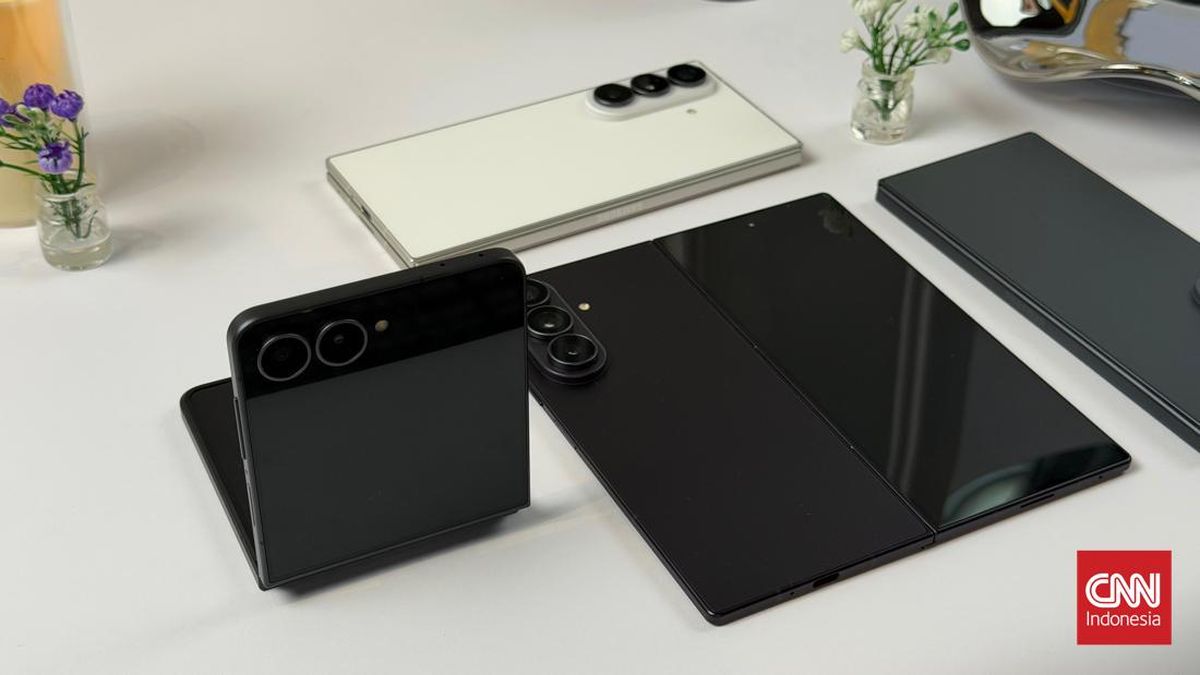
The Galaxy Z Fold 8 introduces a notable departure from its predecessors with a new, wider form factor. This design adjustment aims to improve the usability of the outer screen, making it more akin to a traditional smartphone experience when folded, while still offering the expansive tablet-like display when unfolded. This subtle yet significant change addresses a common feedback point from earlier generations, where the narrow external display sometimes felt restrictive for typing or navigating. Furthermore, the successor to the Galaxy Z Fold 7 has been rebranded as the Galaxy Z Fold 8 Ultra, signifying a premium tier within the foldable lineup, likely featuring enhanced specifications, camera capabilities, or perhaps S Pen integration for a more refined creative and productivity experience. The Galaxy Z Flip 8 continues the legacy of its clamshell predecessors, focusing on improved durability, potentially a larger or more functional cover screen, and enhanced camera systems, all while maintaining its signature compact and stylish design. These innovations are critical for Samsung to maintain its leadership position in a rapidly evolving market segment.
Market Dynamics and Consumer Response: Sustained Demand Amidst Rising Costs
Despite the announced price increases, Samsung claims that the initial market reception for the Z Fold 8 series in Indonesia has been exceptionally strong. Ilham Indrawan highlighted that this positive response was evident during the crucial reservation and pre-order phases, indicating a robust demand for the latest foldable technology among Indonesian consumers. This sustained interest, even in the face of higher price tags, can be attributed to Samsung’s strategic approach to make these premium devices more "affordable" and the upgrade path "worth it" for consumers.
Samsung’s strategy includes offering various "programs" designed to mitigate the impact of the higher upfront cost. While specific details of these programs were not fully elaborated, they typically encompass a range of incentives such as:
- Enhanced Trade-in Offers: Generous trade-in values for older smartphones, particularly previous Samsung Galaxy models, significantly reducing the net cost of the new device. This encourages existing users to upgrade and attracts new users from other brands.
- Flexible Payment Plans: Interest-free installment options through partnerships with banks or financing companies, spreading the cost over 12, 24, or even 36 months, making the premium price point more manageable for a wider segment of the market.
- Bundled Accessories and Ecosystem Benefits: Offering complimentary premium accessories (e.g., Galaxy Watch, Galaxy Buds, S Pen, protective cases) or subscription services, adding perceived value that offsets the higher device price.
- Carrier Subsidies and Exclusive Deals: Collaborations with telecommunication providers to offer discounted device prices when bundled with long-term data plans, a common practice in premium smartphone markets.
- Exclusive Pre-order Benefits: Early bird bonuses, such as instant cashbacks, extended warranties, or priority customer service, creating urgency and rewarding early adopters.
The success of these programs is crucial in a market like Indonesia, where consumers are increasingly sophisticated but also price-sensitive, especially for devices commanding a premium price point. The fact that Samsung observes strong pre-order performance suggests that their value proposition, combining cutting-edge technology with attractive purchasing incentives, resonates well with the target demographic. This demographic often comprises tech enthusiasts, professionals requiring advanced productivity tools, and status-conscious consumers who value innovation and brand prestige. According to various market reports, the global foldable smartphone market continues to demonstrate impressive growth, with projections indicating significant expansion over the next five years. Samsung has consistently held a dominant share in this niche but rapidly expanding segment, largely due to its early entry, continuous innovation, and aggressive marketing. In Southeast Asia, including Indonesia, the demand for premium smartphones, while still a smaller segment of the overall market, is steadily increasing as disposable incomes rise and consumers seek more advanced features and experiences.
A Detailed Look at Pricing: The Premium Tier’s Evolution
While the original article mentions price increases ranging from Rp2 million to Rp9 million and percentages between 17-20% compared to the previous generation, it does not provide the actual detailed price lists. Based on these stated increases and typical pricing strategies for premium devices in Indonesia, we can infer illustrative price ranges for the new Galaxy Z Fold 8, Z Fold 8 Ultra, and Z Flip 8, along with their predecessors for comparison. It’s important to note that these are hypothetical figures derived from the provided increase parameters and general market knowledge, and actual retail prices may vary based on storage configurations and specific market conditions at launch.
Illustrative Pricing Comparison (in Indonesian Rupiah):
Galaxy Z Fold8 Series
- Galaxy Z Fold 7 (Previous Generation – Illustrative):
- 256GB: Rp24,999,000 – Rp25,999,000
- 512GB: Rp27,999,000 – Rp28,999,000
- 1TB: Rp30,999,000 – Rp31,999,000
- Galaxy Z Fold8 (Illustrative, ~17-20% increase from Z Fold 7):
- 256GB: Rp29,248,830 – Rp31,198,800 (~Rp29.25 million – Rp31.2 million)
- 512GB: Rp32,758,830 – Rp34,798,800 (~Rp32.76 million – Rp34.8 million)
- 1TB: Rp36,268,830 – Rp38,398,800 (~Rp36.27 million – Rp38.4 million)
- Galaxy Z Fold8 Ultra (Illustrative, new premium tier, potentially Rp5-9 million increase over top-tier Z Fold 7):
- 512GB: Rp35,999,000 – Rp38,999,000
- 1TB: Rp39,999,000 – Rp42,999,000
Galaxy Z Flip8 Series
- Galaxy Z Flip 7 (Previous Generation – Illustrative):
- 128GB: Rp14,999,000 – Rp15,999,000
- 256GB: Rp16,999,000 – Rp17,999,000
- 512GB: Rp18,999,000 – Rp19,999,000
- Galaxy Z Flip8 (Illustrative, ~17-20% increase from Z Flip 7):
- 128GB: Rp17,548,830 – Rp19,198,800 (~Rp17.55 million – Rp19.2 million)
- 256GB: Rp19,888,830 – Rp21,598,800 (~Rp19.89 million – Rp21.6 million)
- 512GB: Rp22,228,830 – Rp23,998,800 (~Rp22.23 million – Rp24 million)
These illustrative prices highlight the premium positioning of Samsung’s foldable devices. The Z Fold series, in particular, firmly occupies the ultra-premium segment, competing with high-end conventional flagships and even some entry-level laptops in terms of price. The Z Flip series, while still premium, aims for a slightly broader appeal with its more accessible price point within the foldable category. The significant price jumps reflect not only the aforementioned economic pressures but also the continuous investment in research and development, manufacturing complexities unique to foldable technology, and the premium associated with being at the forefront of smartphone innovation.
The Competitive Landscape and Samsung’s Strategic Edge
The foldable smartphone market, once almost exclusively dominated by Samsung, is becoming increasingly competitive. Chinese manufacturers such as Huawei, Xiaomi, Oppo, and Vivo have introduced their own foldable devices, often featuring compelling designs and specifications, sometimes at more competitive price points in their domestic markets. Brands like Huawei, with its Mate X series, and Oppo, with its Find N series, have garnered attention for their innovative hinge designs and form factors. This intensifying competition puts pressure on Samsung to continuously innovate and justify its premium pricing.
Samsung’s strategic edge lies in several key areas:
- Maturity and Experience: Having been in the foldable market since 2019, Samsung possesses unparalleled experience in developing, manufacturing, and mass-producing foldable devices. This expertise translates into more refined hardware, robust software optimization (One UI for foldables), and a more mature ecosystem.
- Global Distribution and Support: Samsung boasts an extensive global distribution network and robust after-sales support, which many of its newer foldable competitors are still building, particularly outside their home markets. This provides consumers with greater confidence in purchasing and owning a Samsung foldable.
- Brand Recognition and Trust: Samsung’s established brand as a leader in premium smartphones instills a high level of trust among consumers, who are often willing to pay a premium for reliability and innovation from a recognized brand.
- Ecosystem Integration: Samsung’s comprehensive ecosystem, including smartwatches, tablets, earbuds, and smart home devices, offers a seamless and integrated user experience that enhances the value proposition of its smartphones, including foldables.
- Durability and Refinement: Each successive generation of Samsung foldables has seen significant improvements in durability, hinge mechanism, and display protection, addressing initial consumer concerns and building confidence in the long-term viability of the technology.
To maintain its leadership, Samsung must continue to push the boundaries of foldable technology, offering tangible benefits that differentiate its products from the competition, while also carefully managing pricing and offering attractive incentives to ensure continued market adoption.
Broader Implications and The Future of Foldables
The trajectory of Samsung’s foldable line and its pricing strategy has broader implications for the smartphone industry. It signifies a growing confidence in the long-term viability of foldable technology as a mainstream premium segment, rather than a niche experimental category. As manufacturing processes mature and economies of scale improve, there is an expectation that foldable prices will eventually become more accessible, though they are likely to remain in the premium tier for the foreseeable future.
The continued success of foldables, despite their high price, suggests a consumer appetite for genuine innovation and new form factors that offer enhanced productivity or unique user experiences. This could spur further research and development into flexible displays and novel device designs across the industry, potentially leading to a diversification of smartphone offerings beyond the traditional slab form factor. However, the current economic climate, characterized by inflation, supply chain volatility, and currency fluctuations, poses ongoing challenges for all electronics manufacturers. The ability to innovate while managing costs and maintaining competitive pricing will be critical for sustained growth in the premium smartphone market.
Looking ahead, the future of foldables will likely see further advancements in hinge technology (making devices thinner and lighter), display durability, camera integration, and battery life. Software optimization will also play a crucial role in maximizing the utility of the unique form factors, offering seamless transitions between folded and unfolded states and enabling more intuitive multitasking. Samsung’s commitment to "A New Shape Unfolds" suggests that the company is not just refining existing designs but actively exploring new paradigms for mobile computing. The strong market reception for the Z Fold 8 and Z Flip 8, even with their increased price tags, serves as a testament to the enduring appeal of innovation and Samsung’s strategic prowess in navigating a complex global economic landscape.