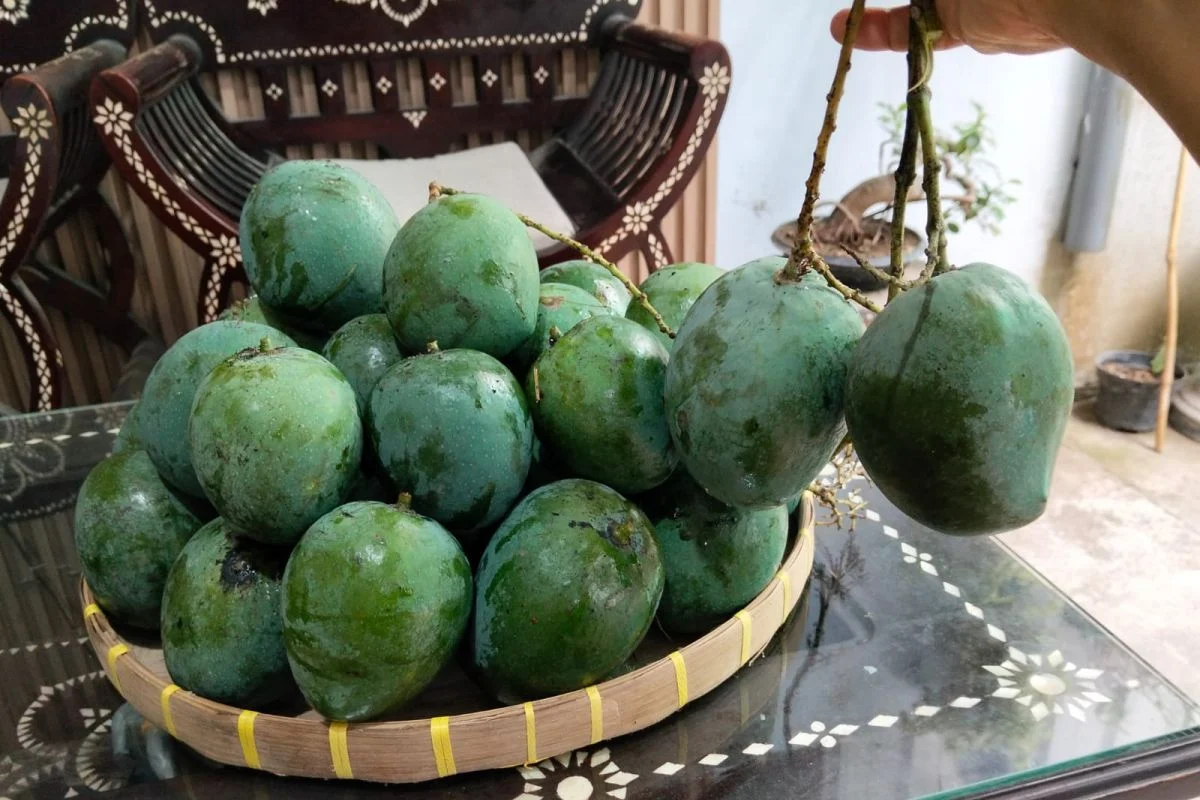
The current peak harvest season for mangoes has transformed local markets and supermarkets across Indonesia, turning the tropical fruit into a focal point of both culinary creativity and public discourse. As the harvest coincides with prolonged periods of high temperatures and dry weather, the fruit has gained traction on social media platforms, with netizens sharing a myriad of innovative ways to process the harvest. From artisanal mango sago and refreshing smoothies to sophisticated cheesecakes and traditional puddings, the versatility of the fruit has cemented its status as a seasonal staple. However, beyond its commercial popularity and refreshing taste, agricultural and health experts are emphasizing that the current abundance offers more than just a culinary reprieve from the heat; it provides a significant opportunity for the public to capitalize on the fruit’s dense nutritional profile.
The Dynamics of the Seasonal Harvest
The current surge in supply is a result of favorable climatic conditions during the preceding flowering and pollination cycles. Farmers across key agricultural regions have reported higher-than-average yields, leading to a noticeable price stabilization in urban centers. This abundance is timely, as it aligns with a period where consumers are increasingly seeking hydration-heavy, natural snacks to mitigate the effects of the ongoing heatwave.
Market analysts observe that the increased visibility of mangoes in retail spaces is part of a broader trend where seasonal fruits are becoming essential components of the urban diet. Unlike processed snacks, mangoes provide an accessible, shelf-stable, and nutrient-rich alternative for health-conscious demographics. While the abundance is welcomed by consumers, agricultural experts suggest that the timing of this harvest underscores the importance of managing post-harvest distribution to prevent significant food waste, a common challenge during peak production months.
Nutritional Composition: A Closer Examination
From a clinical perspective, the mango (Mangifera indica) is far more than a source of natural sugar. According to recent nutritional audits, a single cup of sliced mango provides approximately 67 percent of the daily recommended intake of Vitamin C. This micronutrient is critical for immune system function, the facilitation of iron absorption, and the synthesis of collagen, which is essential for structural integrity in bodily tissues.
Furthermore, the fruit is a source of magnesium, dietary fiber, and various B-complex vitamins. For those concerned with weight management, the nutritional profile of a mango is particularly noteworthy. A standard serving of 165 grams contains approximately 100 calories. Because the fruit is rich in soluble fiber, it promotes a sense of satiety, which can assist in regulating caloric intake throughout the day. By displacing calorie-dense, processed snacks, the inclusion of whole mangoes in a diet can be a strategic move for those aiming to maintain or reduce body mass index (BMI) without sacrificing flavor.
Dermatological and Physiological Advantages
Recent reports from health institutions, including the Cleveland Clinic, have highlighted the role of mangoes in skin and hair health. The fruit contains a potent combination of vitamins A, C, and E. These act as natural antioxidants that mitigate the impact of environmental stressors—such as ultraviolet radiation and pollution—on the epidermis and hair follicles.
Vitamin A is essential for cellular turnover and the maintenance of healthy scalp tissues, while Vitamin C’s role in collagen production ensures that skin maintains its elasticity. Vitamin E, often marketed in expensive skincare products, is naturally present in mangoes and serves as an emollient, helping to retain moisture and prevent epidermal dryness. Medical professionals emphasize that these benefits are most effectively obtained through the consumption of the whole fruit rather than through synthesized supplements, as the fiber and secondary metabolites in the fruit assist in the bio-availability of these vitamins.
Addressing the Diabetes Controversy
One of the most persistent myths regarding mango consumption involves its impact on blood glucose levels. Many individuals living with diabetes avoid the fruit due to its sweetness. However, emerging research suggests that the narrative is more nuanced. While the glycemic index of mangoes is moderate, the fruit’s high concentration of Vitamin C and various polyphenols—found in both the pulp and the peel—may offer protective properties against metabolic dysfunction.
Recent studies have explored the presence of bioactive compounds in the fruit’s peel, which demonstrate potential antidiabetic properties. Researchers note that these compounds can assist in modulating glucose uptake. Nevertheless, dietitians advise that for those with pre-existing metabolic conditions, portion control remains the most critical factor. The objective is to enjoy the fruit’s health benefits without triggering insulin spikes, reinforcing the necessity of incorporating fruit as part of a balanced meal rather than a standalone snack.
Long-term Health and Cancer Prevention
The vibrant orange hue of the mango is indicative of the presence of carotenoids, which are powerful antioxidants. When combined with the polyphenols found in the flesh, skin, and seeds of the fruit, these pigments create a robust defense mechanism against oxidative stress. Oxidative stress is a primary driver of cellular damage, which, if left unchecked, can lead to the proliferation of malignant cells.
While mango consumption alone cannot serve as a clinical treatment for cancer, oncology nutritionists maintain that a diet rich in such phytochemicals is fundamental to a preventive health strategy. By neutralizing free radicals, the compounds in mangoes protect DNA integrity within cells. As part of a broader lifestyle that includes regular exercise and a balanced diet, the inclusion of seasonal fruits like mangoes is supported by public health guidelines aimed at reducing the long-term incidence of chronic, non-communicable diseases.
The Debate: Whole Fruit vs. Processed Juices
As the popularity of mango-based beverages grows, health experts have issued a caveat regarding the method of consumption. There is a distinct difference between eating a whole mango and consuming mango juice or smoothies. The latter, particularly when processed commercially, often involves the removal of the fibrous skin and pulp, which are the primary sources of beneficial fiber. Furthermore, the addition of refined sugars and syrups in mass-marketed drinks can negate the inherent health benefits of the fruit.
Public health campaigns are now stressing the importance of consuming fruits in their whole, raw state. The mechanical process of chewing whole fruit also promotes better digestion and slower glucose absorption compared to the rapid ingestion of liquid sugar. For consumers looking to enjoy the current harvest, the recommendation is clear: prioritize the whole fruit over processed variants to maximize the nutritional yield.
Economic and Agricultural Implications
The current market saturation of mangoes also provides a window into the economic resilience of the agricultural sector. For farmers, this period is critical for revenue generation. However, the volatility of fruit prices often impacts smaller producers who lack the logistics to transport their produce to distant urban markets efficiently.
Stakeholders in the agricultural supply chain are currently looking at ways to stabilize these fluctuations. By encouraging local consumption and investing in cold-chain logistics, regions can ensure that the current surplus is utilized effectively. This not only benefits the farmers but also ensures that the nutritional security of the urban population is maintained. The government and private sector collaboration in managing the distribution of these seasonal harvests could serve as a model for handling other horticultural products in the future.
Conclusion: A Strategic Approach to Seasonal Consumption
The ongoing mango season is a reminder of the synergy between nature’s cycles and human health. While the social media buzz surrounding mango-based culinary creations is a testament to the fruit’s popularity, the underlying medical evidence provides a compelling reason to make the fruit a consistent part of the diet. Whether it is for the boost in Vitamin C, the dermatological benefits, or the potential for metabolic protection, the mango remains a powerhouse of nutrients.
As the harvest continues, consumers are encouraged to be mindful of their intake and the preparation methods they choose. By opting for fresh, whole fruits and acknowledging the nutritional density they provide, the public can transform a seasonal indulgence into a long-term investment in personal health. As research continues to uncover the complexities of plant-based nutrition, the humble mango stands out as a prime example of how simple, natural food choices can have profound, measurable impacts on individual and public well-being.