The security landscape in Indonesia has been rocked by the disclosure of a high-profile surveillance scandal involving the illegal exploitation of the Lawful Interception Management System (LIMS). This technological breach, which allegedly targeted President Prabowo Subianto among other high-ranking officials and public figures, has raised critical questions regarding the integrity of state surveillance infrastructure and the potential for severe political destabilization. According to investigations by the Bareskrim Polri (Criminal Investigation Agency of the Indonesian National Police), the system—designed for legitimate law enforcement purposes—was utilized as a tool for unauthorized espionage between 2025 and 2026.
The Anatomy of the LIMS Breach
At the core of the controversy is the Lawful Interception Management System (LIMS), a sophisticated technological framework that enables authorized agencies to monitor communication traffic. While LIMS is a standard tool used globally to combat organized crime, terrorism, and national security threats, its implementation requires stringent oversight.
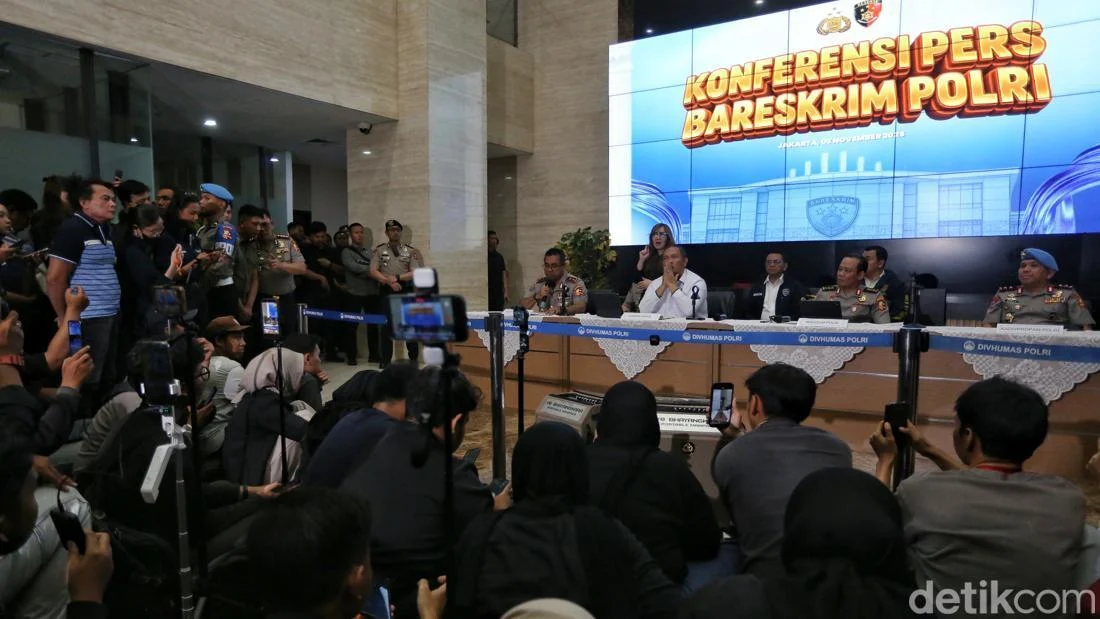
In the current investigation, Bareskrim Polri revealed that specific phone numbers, including those belonging to the President, were injected into the LIMS server without the mandatory legal verification process. Kabareskrim Polri Commissioner General Asep Safrudin confirmed in a Jakarta press conference on November 3, 2026, that these entries lacked the necessary documentation, such as judicial warrants or official police reports. This bypass of institutional safeguards suggests a deliberate attempt to weaponize state technology for private or partisan gain, effectively transforming a tool meant to protect the state into a mechanism that compromised its highest office.
Understanding the Technical Operation of Lawful Interception
To understand the gravity of the incident, it is necessary to examine how LIMS functions. Contrary to common misconceptions, LIMS does not always rely on planting intrusive spyware or malware directly onto a target’s mobile device. Instead, it operates at the network infrastructure level, in cooperation with telecommunication service providers.
Following the guidelines established by the European Telecommunications Standards Institute (ETSI), specifically under the ETSI TS 104 007 standard, lawful interception operates through an architecture that manages authorization, target configuration, and data collection. The system is designed to capture two distinct streams of data:
- Content of Communication (CC): This includes the actual audio of telephone conversations, messages, and any data transmitted through the communication channel.
- Intercept-Related Information (IRI): This metadata provides a comprehensive picture of a user’s habits, including the identities of parties involved, the time and duration of calls, and geolocation data derived from network triangulation.
By operating within the carrier’s core network, LIMS allows for seamless interception that remains entirely invisible to the user. There are no notifications, system performance degradation, or suspicious battery drain, which are common hallmarks of third-party spyware. This "network-side" capability is what makes LIMS so powerful and, if compromised, so dangerous.
Chronology of the Surveillance Scandal
The unraveling of this operation began in late 2026, marking the end of a two-year period of clandestine activity.
- 2025 – Late 2026: The period during which the LIMS system was allegedly exploited to track the communications of political figures, media personalities, NGO activists, and business leaders.
- October 30, 2026: A whistleblowing report was filed by an internal officer, triggering a formal investigation by Bareskrim Polri.
- Late October 2026: Upon realization that their activities were being scrutinized, the suspects allegedly ordered the mass deletion of logs, intercepted files, and system activity records to cover their tracks.
- November 3, 2026: The official announcement of the investigation results, naming high-profile figures as suspects and detailing the extent of the unauthorized surveillance.
The investigation led to the seizure of critical digital evidence, including 11 mobile phones, an iPad, and four flash drives. Forensic experts are currently working to reconstruct the deleted data to determine the full scope of the information leaked during the operation.
The Accused and the Legal Fallout
The implications of this scandal extend to the highest levels of the Indonesian security apparatus. Bareskrim has officially named three primary suspects in connection with the case: former National Police Chief Listyo Sigit Prabowo, Ahrie Sonta Nasution, and Eko Hadi Santoso.
While the suspects are currently undergoing legal proceedings and are presumed innocent until a court of law delivers a final, binding verdict, the political fallout has been immediate. The involvement of a former National Police Chief has sent shockwaves through the Indonesian bureaucracy, sparking a nationwide debate regarding the culture of impunity and the necessity for a complete overhaul of how state surveillance tools are managed and audited.
Broader Implications and National Security Concerns
The unauthorized access to the President’s communications is not merely a violation of privacy; it represents a fundamental breach of national security. When the head of state’s communication channels are compromised, the entire government’s decision-making process becomes vulnerable to external influence and strategic blackmail.
Furthermore, the targeting of media figures and civil society organizations (CSOs) indicates a pattern of suppressing dissent. In a healthy democracy, surveillance is a limited, court-monitored exception; when it becomes a default tool for monitoring political rivals or critics, it undermines the very foundation of the democratic process.
Experts in cybersecurity and law argue that the Indonesian government must adopt a more transparent "checks and balances" system for LIMS. This would include:
- External Audits: Periodic, independent reviews of all LIMS logs by a parliamentary committee or an independent judicial body.
- Multi-Factor Authorization: Requiring multiple high-level approvals from different branches of government before any target can be added to the interception list.
- Immutable Logging: Implementing blockchain-based or tamper-proof logging systems to ensure that no official can delete records of their activity without leaving an irreversible trace.
The Path Forward
The Indonesian government is now faced with the daunting task of restoring public trust. President Prabowo’s administration is expected to face pressure from both the legislature and the public to ensure that those responsible for this breach are held accountable, regardless of their past positions.
The incident also serves as a global cautionary tale. As nations increasingly adopt digitized governance and advanced surveillance tools, the risk of "systemic capture"—where the tools of the state are hijacked by individuals within the system—becomes a pervasive threat. The transition from manual, paper-based warrants to automated, digital LIMS platforms has increased efficiency, but it has also removed the "human speed bump" that previously prevented mass, unchecked surveillance.
In the coming months, the legal proceedings against the three suspects will be closely monitored. The trial is expected to provide more clarity on how the system was bypassed, who provided the orders, and whether the data was shared with third parties or foreign actors. Until then, the case stands as a stark reminder that in the digital age, the greatest threat to national security may not be external, but rather the internal misuse of the very systems designed to protect it. The outcome of this trial will likely redefine the parameters of power for Indonesia’s security agencies for decades to come, setting a precedent for how future surveillance technology is governed, monitored, and audited within the country.