Socio Today
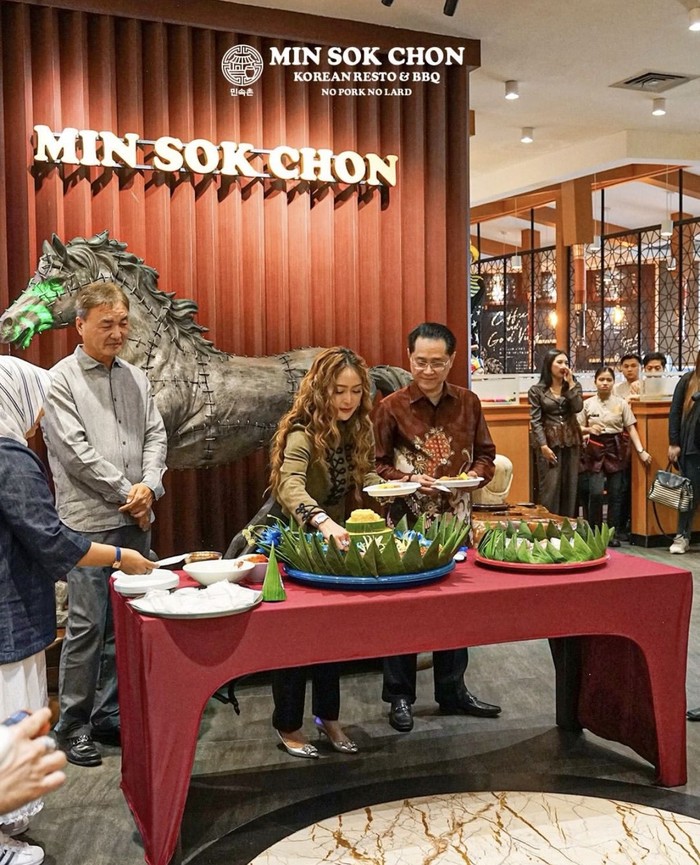
Inul Daratista, one of Indonesia’s most prominent dangdut icons, has effectively transitioned from the national stage to the competitive culinary industry. While she remains a household name for her vocal prowess, the artist has increasingly utilized her social media platforms to showcase a profound commitment to the food and beverage sector. This diversification of her professional portfolio culminated in the recent opening of Min Sok Chon, a specialized Korean restaurant located in Central Park Mall, West Jakarta, which emphasizes authentic, halal-certified dining experiences.

The expansion into the food industry is not merely a celebrity vanity project but represents a strategic move within the broader context of Indonesia’s growing middle-class appetite for international cuisine. As the country continues to see an influx of foreign culinary trends—particularly those driven by the "Hallyu" or Korean Wave—Inul’s investment reflects a calculated attempt to capture a market segment that prioritizes both authenticity and religious compliance.
The Evolution of a Culinary Entrepreneur
Inul Daratista’s relationship with food has been well-documented through her social media channels, where she frequently shares glimpses of her gastronomic explorations. Her travels, often necessitated by her rigorous performance schedule, serve as a platform for discovering regional delicacies across the Indonesian archipelago. From local street food markets to high-end dining establishments, her public persona has evolved to include that of a dedicated "foodie."

However, her involvement goes beyond simple consumption. The artist has actively demonstrated her proficiency in the kitchen, often sharing content that features her preparing elaborate home-cooked meals. These moments serve to humanize her public figure, aligning her brand with domestic values while simultaneously building credibility for her commercial ventures. Her business acumen has previously been tested with "Dapur Jenk Minul," a culinary outlet that serves traditional Indonesian dishes such as rawon, reinforcing her ability to manage operations that cater to local palates.
Min Sok Chon: A Strategic Entry into Korean Dining
The launch of Min Sok Chon at Central Park Mall represents a significant milestone in her business career. The restaurant serves as a nexus between Korean culinary tradition and local dietary requirements. By securing halal certification, the establishment addresses a critical barrier for many Muslim diners in Indonesia who wish to explore Korean cuisine, such as Korean BBQ and various comfort foods, without compromising their religious obligations.

Industry analysts suggest that the decision to bring in chefs directly from South Korea is a strategic move to ensure that the "authenticity" of the brand remains intact. In an increasingly saturated market, where numerous Korean-inspired eateries exist, the emphasis on genuine technique and imported culinary expertise serves as a key differentiator. The interior design of Min Sok Chon, which utilizes a classic, warm Korean aesthetic, further enhances the dining experience, aiming to transport patrons beyond the borders of Jakarta.
Contextualizing the Korean Culinary Market in Indonesia
The Indonesian culinary landscape has seen a profound shift over the past decade. Data from various market research firms indicates that the demand for international food concepts has risen by approximately 15-20% annually since 2020. Korean cuisine, in particular, has benefited from the massive popularity of Korean dramas and K-pop culture, which have normalized the consumption of kimchi, bibimbap, and bulgogi among the Indonesian youth and young professional demographic.

However, the success of such restaurants is contingent upon navigating the complexities of the Indonesian market. The primary challenge remains the halal certification process, which is mandatory for mass-market success in a country with the world’s largest Muslim population. By integrating this requirement into the foundational business model of Min Sok Chon, Inul Daratista has positioned the restaurant to avoid the common pitfalls that many foreign-branded franchises face upon entering the Indonesian market.
Chronology of Public Culinary Engagements
The journey leading to the establishment of Min Sok Chon can be traced through a series of documented public appearances and social media milestones:
- Regional Exploration Phase: Over several years, Inul utilized her tour schedules to visit various culinary hotspots, including high-end seafood restaurants in Tegal and traditional dessert venues, refining her understanding of what appeals to the Indonesian consumer.
- The "Dapur Jenk Minul" Initiative: Prior to her foray into international cuisine, the artist established her local brand, focusing on traditional Indonesian comfort food. This provided her with the operational experience necessary for large-scale food service.
- Collaborative Learning: Inul has frequently collaborated with culinary professionals, including notable figures such as Chef Firhan, a contestant from MasterChef Indonesia. These collaborations have allowed her to gain technical knowledge of professional kitchen operations and high-end ingredient management.
- Expansion into Global Concepts: The transition to Korean cuisine marks her most significant commercial investment to date. The development phase involved meticulous planning regarding supply chains, hiring specialized international staff, and securing prime real estate in one of Jakarta’s most prestigious shopping centers.
The Broader Economic Implications of Celebrity Entrepreneurship
Inul Daratista’s move is part of a larger trend where Indonesian celebrities are leveraging their massive social media followings to disrupt traditional industries. In the culinary sector, this phenomenon has several implications:
- Brand Trust and Accessibility: When a high-profile figure attaches their name to a restaurant, it provides an immediate sense of trust and brand recognition. This lowers the initial cost of customer acquisition, which is typically one of the highest expenses for a new restaurant.
- Influencer-Driven Marketing: By documenting the behind-the-scenes processes—such as kitchen preparation, menu development, and even the personal consumption of the food—Inul creates an organic marketing loop. This approach is far more effective and cost-efficient than traditional advertising in the digital age.
- Economic Diversification: For veteran performers like Inul, establishing businesses outside of the entertainment industry provides a necessary hedge against the inherent volatility of the creative arts. By building a portfolio that includes retail, music, and food, she ensures long-term financial stability.
The Future of Culinary Ventures
As Min Sok Chon begins its operations, the focus will likely shift toward maintaining quality control and scaling the concept. The restaurant industry in Jakarta is famously competitive, with high turnover rates for new entrants. Success will depend on whether the establishment can maintain the balance between its celebrity branding and the high standard of service required to retain repeat customers.
Furthermore, the integration of traditional Korean techniques with local halal standards creates a template that other entrepreneurs might follow. If Min Sok Chon proves successful, it is highly probable that other celebrity figures will look to replicate this model, further intensifying the competition in the international dining sector in Indonesia.
In conclusion, Inul Daratista’s transition from the stage to the dining table is a reflection of a sophisticated entrepreneur who understands the changing preferences of her audience. By blending the cultural appeal of Korean cuisine with the essential requirement of halal compliance, she has positioned herself not just as a consumer of fine food, but as a key player in the evolving landscape of Indonesia’s culinary industry. Her journey serves as a case study for how high-profile individuals can successfully navigate the transition from entertainment to commercial entrepreneurship, provided they prioritize authenticity, strategic planning, and an acute understanding of their target market’s needs. Whether this venture will lead to a broader restaurant chain or remain an exclusive culinary destination remains to be seen, but the initial reception suggests a strong start for the veteran entertainer turned business owner.