Socio Today
Jakarta, Indonesia – Isuzu Astra Motor Indonesia (IAMI) has issued a crucial advisory to all diesel vehicle owners, strongly recommending increased attention to regular maintenance schedules as the nation transitions to the B50 biodiesel mandate. This proactive stance stems from the fact that B50, a fuel blend comprising 50% palm oil-based biofuel and 50% petroleum diesel, is a relatively new standard, and adjustments may be necessary to ensure optimal vehicle performance and longevity.
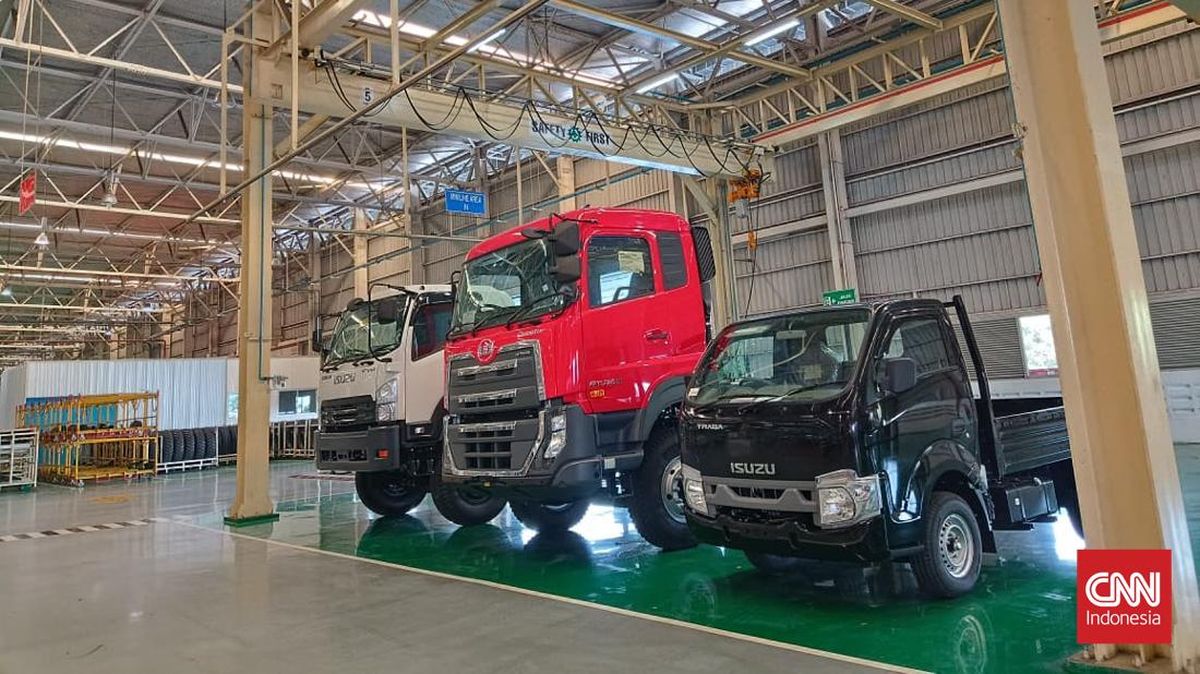
Anjar Rosjadi, Business Solution Director at IAMI, elaborated on the company’s commitment to supporting this national initiative. "As a testament to our support and anticipation, we have conducted a series of trials and tests on our produced vehicles utilizing B50," Rosjadi stated during a visit to the Isuzu Karawang factory in West Java on Monday, July 20th. These extensive trials are designed to meticulously assess the compatibility and performance of Isuzu vehicles with the B50 blend, ensuring they can operate efficiently and reliably as the fuel becomes more widely adopted across the country.
The transition to B50 is a significant policy shift aimed at reducing reliance on fossil fuels, bolstering the domestic palm oil industry, and potentially mitigating greenhouse gas emissions. Indonesia has been progressively increasing its biodiesel blend mandates, moving from B10 to B20, and now to B30, with B50 representing a substantial leap forward in this commitment to renewable energy. This policy aligns with global trends towards cleaner energy sources and Indonesia’s own ambitious renewable energy targets.
Understanding the Characteristics of B50 Biodiesel
Rosjadi highlighted that the inherent characteristics of B50 necessitate a more vigilant approach to vehicle upkeep. "The nature of B50 is different due to its higher vegetable oil content, which requires more attention from users," he explained. This higher proportion of biofuel, derived from plant-based sources like palm oil, imparts distinct properties to the fuel that can impact engine systems.
One of the key properties of B50, as pointed out by Rosjadi, is its hygroscopic nature. This means B50 has a greater tendency to absorb moisture from the atmosphere. Water contamination in fuel systems can lead to a host of problems, including corrosion, reduced fuel efficiency, and potential damage to fuel injectors and pumps. Therefore, drivers need to be particularly mindful of fuel storage and the integrity of their vehicle’s fuel system to prevent moisture ingress.
Furthermore, B50 exhibits a notable cleansing capability. While this can be beneficial in removing existing deposits within the fuel system, it can also dislodge accumulated sludge or sediment, which, if not properly managed, can clog fuel filters and injectors. "B50 has a more hygroscopic nature and a considerable cleansing ability. This needs to be anticipated, and the condition of periodic maintenance must be observed," Rosjadi emphasized. This suggests that fuel filters might require more frequent inspection and replacement, and drivers should be aware of potential initial adjustments as the fuel works to clean the system.
Isuzu’s Testing and Preliminary Findings
IAMI’s commitment to ensuring a smooth transition for its customers is evident in its rigorous testing protocols. The company has invested resources in understanding how B50 interacts with its engine technologies. The preliminary results from these extensive trials have been encouraging.
"So far, the test results from Isuzu indicate that the vehicles used are still operating normally, and there are no significant changes in performance," stated Rosjadi. This suggests that Isuzu’s diesel engines are robust enough to handle the B50 blend without immediate detrimental effects on their power output or operational efficiency. The company’s proactive approach in conducting these tests pre-empts potential issues that might arise from the widespread adoption of B50, allowing them to provide informed guidance to their customer base.
However, Isuzu is not resting on these initial findings. The company is committed to a long-term monitoring process. "Isuzu is still continuously monitoring the long-term impact of using B50," Rosjadi confirmed. This ongoing surveillance is critical for identifying any subtle or cumulative effects that may only become apparent over extended periods of operation. Such vigilance is essential for ensuring the sustained reliability and durability of Isuzu vehicles in the evolving fuel landscape.
Government Policy and Industry Challenges
Isuzu, as a major automotive player in Indonesia, fundamentally supports the government’s policy to promote the use of B50. This support aligns with the broader national agenda of energy security and the development of a sustainable bio-energy sector. The palm oil industry, a significant contributor to Indonesia’s economy, stands to benefit from increased domestic demand for its by-products in biofuel production.
Despite the overarching support for the policy, Rosjadi candidly acknowledged the challenges that accompany such a significant shift in fuel standards. "Indeed, there are several challenges, including the operational aspects of the vehicles themselves," he admitted. These operational challenges can encompass a range of factors, from the need for component adaptations in some older or less sophisticated diesel engines to the logistical complexities of ensuring consistent quality and availability of B50 across the vast Indonesian archipelago.
The distribution infrastructure for B50 is a critical component of its successful implementation. Ensuring that fuel stations nationwide are equipped to supply B50 and that its quality is maintained throughout the supply chain is a significant undertaking. "Our hope is that the implementation of B50, in terms of distribution and preparation, can serve all communities in Indonesia," Rosjadi expressed, underscoring the importance of equitable access to the new fuel standard.
Broader Implications and Expert Analysis
The push towards higher biodiesel blends like B50 is driven by several interconnected factors. Firstly, it is a strategic move to reduce Indonesia’s dependence on imported crude oil, thereby improving its trade balance and energy security. Secondly, it aims to provide a stable market for Indonesia’s substantial palm oil production, supporting the livelihoods of millions of smallholder farmers and contributing to the national economy.
From an environmental perspective, biofuels are generally considered to have a lower carbon footprint compared to fossil fuels, as the carbon released during combustion is offset by the carbon absorbed by the plants during their growth cycle. However, the sustainability of palm oil production itself remains a subject of international scrutiny, with concerns over deforestation and biodiversity loss. It is crucial that the expansion of palm oil for biofuel production adheres to strict sustainability standards.
For vehicle manufacturers like Isuzu, the adoption of B50 necessitates ongoing research and development to ensure their engines are optimized for these new fuel formulations. This includes assessing the compatibility of various fuel system components, such as fuel lines, seals, and filters, with the different chemical properties of biodiesel. Engine management systems may also require recalibration to ensure optimal combustion and emissions control.
The "cleansing" property of B50, while potentially beneficial for removing deposits, also raises questions about the frequency of maintenance. If existing engines have accumulated significant carbon deposits, the initial use of B50 could lead to a temporary surge in particulate matter that needs to be managed. This could involve more frequent replacement of fuel filters and air filters to prevent these dislodged particles from causing blockages or damage to sensitive engine components.
Industry analysts suggest that the success of the B50 mandate will depend not only on the technological readiness of vehicles but also on the robustness of the fuel supply chain and the availability of skilled technicians who understand the nuances of maintaining diesel engines running on higher biodiesel blends. Public awareness campaigns are also vital to educate drivers about the changes and the importance of adhering to recommended maintenance schedules.
The long-term impact of B50 on engine wear and tear is a subject that requires continued observation. While initial tests may show no significant adverse effects, cumulative stress on certain components, particularly over hundreds of thousands of kilometers, could reveal differences compared to traditional diesel. This underscores the importance of Isuzu’s commitment to ongoing monitoring and their proactive advice to customers.
The Indonesian government’s commitment to renewable energy is evident in its phased approach to increasing biodiesel blends. This policy is not without its complexities, involving economic, environmental, and technological considerations. By working closely with vehicle manufacturers and other stakeholders, the government aims to navigate these challenges and ensure a successful transition to a more sustainable energy future. Isuzu Astra Motor Indonesia’s cautionary advice serves as a vital reminder that embracing new fuel technologies requires a parallel commitment to diligent vehicle care.