Socio Today
Jakarta, Indonesia – Samsung, a global leader in smartphone innovation, has officially unveiled its latest foldable smartphone, the Galaxy Z Fold 8, featuring a groundbreaking new form factor designed specifically to enhance media consumption. This strategic move marks a significant diversification in Samsung’s acclaimed foldable lineup, catering to a growing segment of users who prioritize immersive entertainment and multitasking on a portable device. The announcement was made during a hands-on session in Jakarta on Thursday, July 23rd, where Samsung executives detailed the device’s unique selling propositions and its targeted audience.
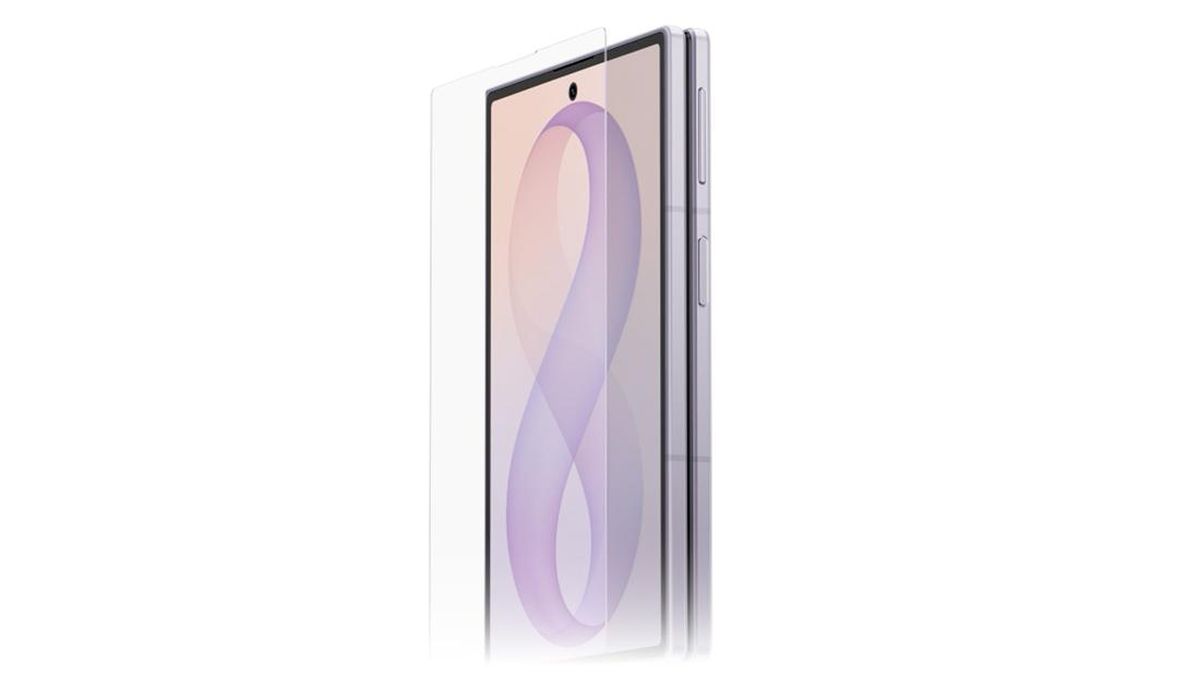
The Galaxy Z Fold 8 distinguishes itself from its predecessors with a notably shorter and wider design when unfolded, a departure from the taller aspect ratios seen in previous generations. This design choice is deliberate, aiming to create a more comfortable and engaging viewing experience for various digital content. According to Samsung, this new variant is a standalone addition to their portfolio, with the direct successor to the Galaxy Z Fold 7 expected to be released under the moniker Galaxy Z Fold 8 Ultra, indicating a dual-pronged strategy to address different user preferences within the premium foldable market.
Strategic Diversification in a Maturing Market
Samsung’s introduction of the Galaxy Z Fold 8 represents a calculated evolution in its foldable phone strategy. Having pioneered the foldable smartphone category, Samsung has consistently pushed the boundaries of mobile technology, transforming experimental concepts into mainstream products. The market for foldable devices, once considered a niche, is rapidly expanding, with increasing consumer acceptance driven by improved durability, refined software experiences, and a broader range of form factors.
By introducing a variant specifically optimized for media consumption, Samsung is responding to evolving user habits. Modern smartphone users spend considerable time engaging with video streaming services, social media, e-books, and productivity applications that benefit immensely from larger, more accommodating screen real estate. The traditional tall and narrow form factor, while excellent for single-hand use and conventional smartphone applications, sometimes presented limitations for certain media types, leading to black bars or less immersive viewing. The Galaxy Z Fold 8 seeks to directly address these pain points.
Ilham Indrawan, MX Product Marketing Senior Manager at Samsung Electronics Indonesia, underscored this strategic shift during the Jakarta event. "Many foldable users utilize the inner screen not only for work but also for media consumption. There is a distinct pleasure when using a screen with a wider form factor for such activities," Indrawan stated. He elaborated that the Galaxy Z Fold 8 is specifically tailored for consumers who desire portability but also crave the flexibility of a larger, more expansive display for activities like binge-watching K-dramas or endless social media scrolling. "This device is for consumers who want to remain portable but possess the flexibility of a screen that can open up significantly larger," he added.
Design Innovations and Enhanced User Experience
The core innovation of the Galaxy Z Fold 8 lies in its redesigned form factor. When fully opened, the device boasts a screen ratio that closely approximates 4:3, transforming into what Samsung describes as a "mini-tablet" experience. This particular aspect ratio is widely recognized as ideal for a multitude of tasks:
- Reading: E-books, digital magazines, and web articles become more comfortable to consume, reducing the need for constant scrolling and providing a more natural page-like layout.
- Video Consumption: While traditional widescreen video (16:9 or 21:9) will still have some letterboxing, the wider screen minimizes the unused space compared to taller displays, offering a more expansive visual field. More importantly, older content or content shot in closer to 4:3 ratios (common in some social media and classic TV shows) will fill the screen more effectively.
- Document Viewing: Spreadsheets, presentations, and word documents benefit from the increased horizontal space, allowing more content to be viewed without excessive zooming or panning.
- Multitasking: The wider canvas significantly improves the split-screen experience, enabling users to comfortably run two or even three applications side-by-side without feeling cramped, thus boosting productivity and efficiency.
Beyond the main foldable display, the Galaxy Z Fold 8 also features a new cover screen with a 15:10 aspect ratio and a size of 5.5 inches. Indrawan highlighted that this particular ratio is "perfect for scrolling social media," offering a more natural and less awkward experience than the narrower cover screens of previous Fold models. This thoughtful design ensures that the device remains highly functional and comfortable for quick interactions even when folded, seamlessly transitioning between a compact smartphone and an expansive tablet-like device.
Anticipated Technical Specifications and Market Positioning
While specific technical specifications and pricing details for the Galaxy Z Fold 8 were not fully disclosed during the initial hands-on session, industry observers anticipate that Samsung will equip this new variant with top-tier hardware commensurate with its flagship status. Users can expect:
- Processor: The latest flagship mobile processor, likely a custom-tuned version of Qualcomm’s Snapdragon 8 Gen 3 or a comparable Exynos chipset in select markets, ensuring blistering performance for demanding applications, gaming, and advanced AI tasks.
- Display Technology: Advanced Dynamic AMOLED 2X displays for both the inner and cover screens, featuring high refresh rates (up to 120Hz) for buttery-smooth scrolling and animations, vibrant colors, and exceptional brightness.
- Camera System: A versatile and high-performance multi-camera setup, building on Samsung’s reputation for excellent mobile photography, potentially including improvements in low-light performance, optical zoom capabilities, and advanced computational photography features.
- Battery and Charging: Optimized battery capacity to support the larger internal display and intensive media consumption, coupled with fast charging capabilities, and likely wireless charging support.
- Durability: Enhanced durability features, including improvements to the Ultra Thin Glass (UTG) for the foldable screen, a more robust hinge mechanism, Armor Aluminum frames, and water resistance (likely IPX8 rating).
- Software Experience: The device will run on the latest version of Android, deeply integrated with Samsung’s One UI, offering advanced multitasking features, S Pen support (likely sold separately), and optimizations for the new aspect ratios.
Regarding pricing, Samsung typically positions its foldable devices in the premium segment. While the exact figures are yet to be announced, the Galaxy Z Fold 8 is expected to reflect its innovative design and advanced technology. Its positioning as a distinct variant from the "Fold 8 Ultra" might suggest a slight differentiation in pricing strategies, potentially making it accessible to a slightly different segment of premium buyers.
Samsung’s Enduring Legacy and the Future of Foldables
Samsung’s journey in the foldable smartphone market began with the ambitious launch of the original Galaxy Fold in 2019. Despite initial challenges related to durability and design, the company persevered, rapidly iterating and refining its technology. Subsequent generations, including the Galaxy Z Fold 2, Z Fold 3 (which introduced S Pen support and water resistance), and the continuous improvements through the Z Fold 4, 5, 6, and 7, have solidified Samsung’s position as the undeniable market leader. Each iteration brought advancements in hinge design, display resilience, software optimization, and overall user experience, making foldables more robust, functional, and appealing to a wider audience.
The introduction of the Galaxy Z Fold 8 with its unique form factor is not just another incremental update; it signals a maturation of the foldable market where manufacturers can now afford to specialize and cater to more specific user needs. According to market research firms like Canalys and IDC, the global foldable smartphone market is projected to experience significant growth in the coming years, with shipments expected to reach tens of millions by mid-decade. This growth is fueled by continuous innovation, increasing competition, and a gradual decrease in average selling prices, making the technology more accessible.
While Samsung maintains a dominant share, competition is intensifying with players like Huawei, Honor, Google (with the Pixel Fold), OnePlus (with the Open), and Xiaomi (with the Mix Fold series) all vying for a piece of this lucrative market. By diversifying its Fold lineup, Samsung aims to maintain its edge, offering a broader array of choices that appeal to different segments of the premium smartphone market. The Z Fold 8, with its media-centric approach, directly targets the entertainment enthusiast and the productivity power user who demands an uncompromised visual and multitasking experience on the go.
Analyst Perspectives and Broader Implications
Industry analysts generally view Samsung’s move to diversify its foldable offerings as a shrewd strategic decision. It demonstrates confidence in the long-term viability and growth potential of the foldable market. By offering distinct form factors, Samsung can capture a broader demographic, appealing to users who may have found previous Fold models either too narrow when closed or not optimally suited for specific content consumption habits when open.
However, such a strategy also carries potential risks, primarily that of consumer confusion. With multiple "Fold 8" variants, Samsung will need to execute clear marketing and branding strategies to differentiate the Z Fold 8 from the expected Z Fold 8 Ultra, ensuring that consumers understand the unique value proposition of each device.
The broader implications of this diversification extend beyond Samsung. It could catalyze other manufacturers to explore more varied foldable designs, moving away from a "one-size-fits-all" approach. This could lead to a new wave of innovation in display technologies, hinge mechanisms, and software interfaces, ultimately benefiting consumers with more tailored and advanced mobile computing experiences. The focus on aspect ratios and their impact on media consumption highlights a growing trend where hardware design is increasingly driven by specific user behaviors and content types.
In conclusion, the Samsung Galaxy Z Fold 8 represents a bold step forward in the evolution of foldable smartphones. By prioritizing an enhanced media consumption experience through a revolutionary wider form factor, Samsung is not only pushing the boundaries of mobile technology but also strategically expanding its market reach. This device is poised to redefine how users interact with their digital content, offering a compelling blend of portability, flexibility, and immersive viewing, further cementing Samsung’s leadership in the dynamic and rapidly evolving foldable market. As the device rolls out globally, its impact on user habits and the broader smartphone industry will be keenly observed.