The resurgence of tourism in Bali, particularly in the highland region of Kintamani, has transformed the area from a traditional agricultural hub into one of Indonesia’s most vibrant lifestyle destinations. Located in the Bangli Regency, Kintamani offers a stark contrast to the tropical beach clubs and coastal villas synonymous with southern Bali. Here, the allure lies in the cool mountain air, the majestic silhouette of Mount Batur, and a growing ecosystem of modern, architecturally significant coffee shops that cater to both domestic and international travelers seeking tranquility.
The Evolution of Kintamani’s Coffee Culture
Historically, Kintamani has been recognized for its high-quality Arabica coffee beans, often exported internationally due to their unique flavor profile shaped by the volcanic soil of the region. However, in the last five years, specifically beginning around late 2019, the region experienced a paradigm shift. Entrepreneurs recognized that the breathtaking views of the Batur caldera were an underutilized asset.
By integrating modern, minimalist, and "instagenic" design with the raw beauty of the volcanic landscape, these venues have created a new niche in the tourism market. This shift has not only boosted the local economy but has also diversified the tourism offerings of the island, moving the focus away from the crowded beaches of Seminyak and Canggu toward the serene, elevated landscapes of the north.
1. Tegu Kopi: A Pioneer of the Highland Aesthetic
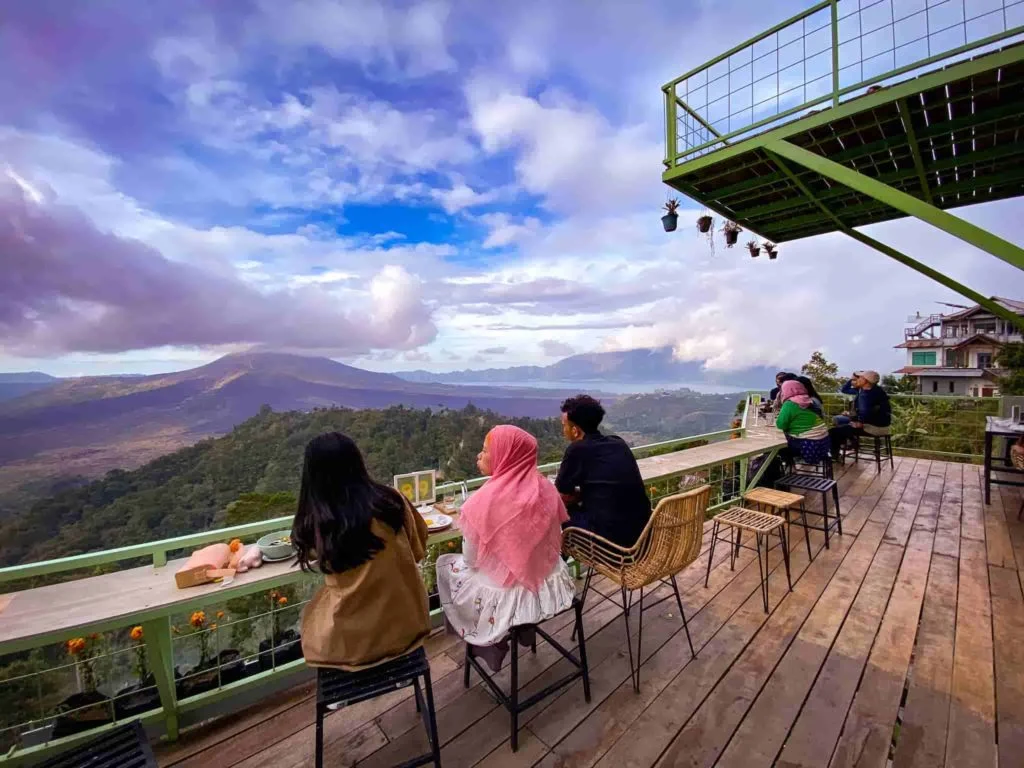
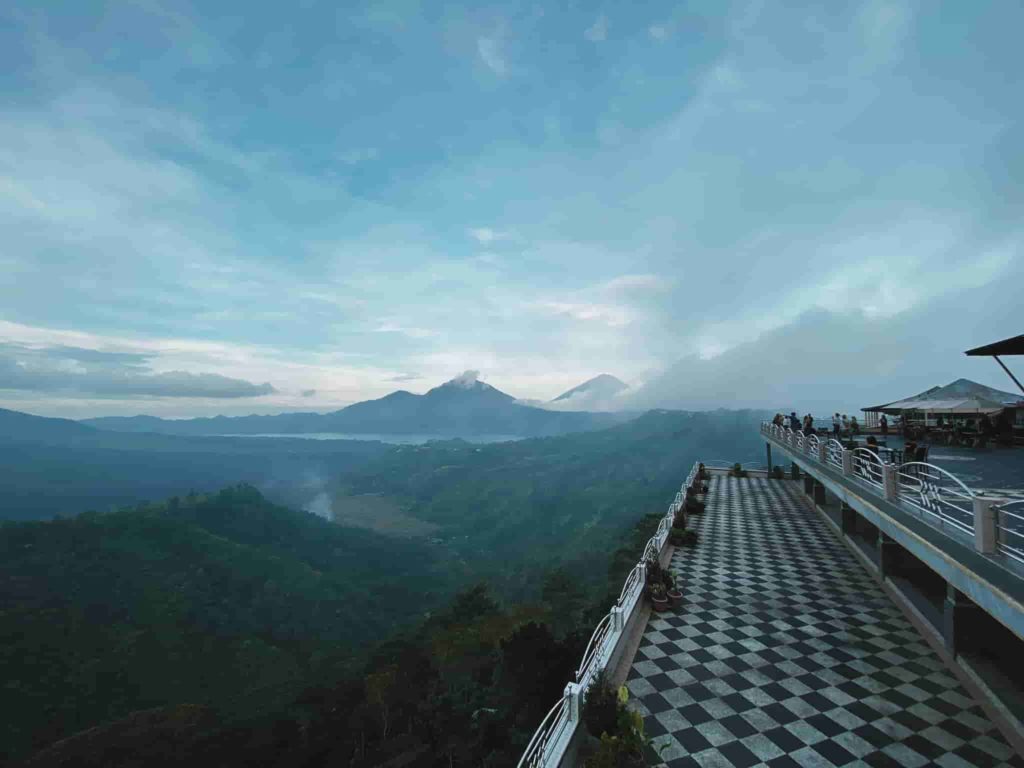
Established in December 2019, Tegu Kopi is widely regarded as one of the catalysts for the "café boom" in the Penelokan area. Situated along the main thoroughfare, the establishment offers an unobstructed, panoramic view of the Batur caldera, including the prominent peaks of Mount Batur, Mount Abang, and the distant Mount Agung.
The appeal of Tegu Kopi lies in its structural design, which maximizes the visual connection between the interior and the exterior. During the peak of the dry season, the temperature often drops to 17–18 degrees Celsius, providing a welcome respite for tourists accustomed to the heat of Denpasar. Data from local tourism boards suggests that establishments like Tegu Kopi have increased visitor traffic to the Bangli area by approximately 30% since their inception, as travelers increasingly seek "scenic retreats" over traditional sightseeing.
2. Eco Bike Coffee: Integrating Sustainability and Tourism
Eco Bike Coffee distinguishes itself through its multi-tiered architecture, which is arguably the most expansive in the Kintamani cliffside region. The structure is divided into three distinct levels: the first floor serves as an educational space featuring a coffee garden and on-site lodging, while the third floor features a rooftop terrace designed for panoramic observation.
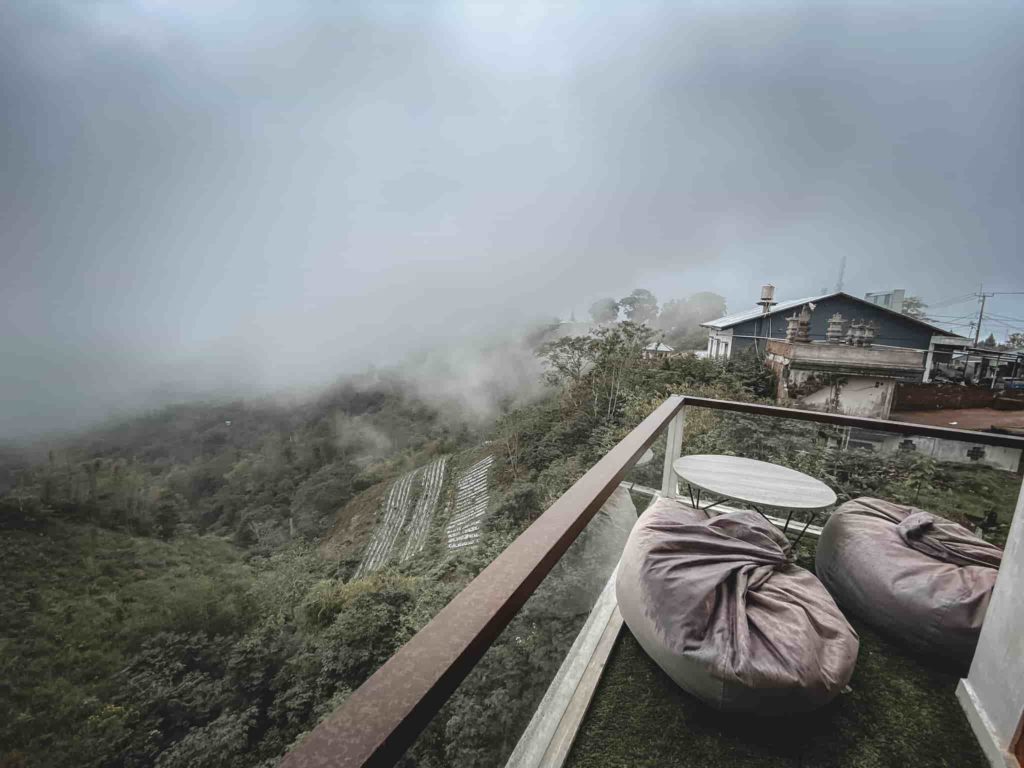
The establishment has faced challenges regarding weather variability. Given its high altitude, the area is prone to sudden, dense fog. Operators emphasize the importance of monitoring meteorological forecasts, as the "white-out" effect during the rainy season can completely obscure the caldera, limiting the primary draw—the view. Despite this, the facility remains a favorite for eco-conscious travelers who value the integration of agriculture (the coffee plantation) with the service industry.
3. Akasa Coffee: Elevating the Consumer Experience
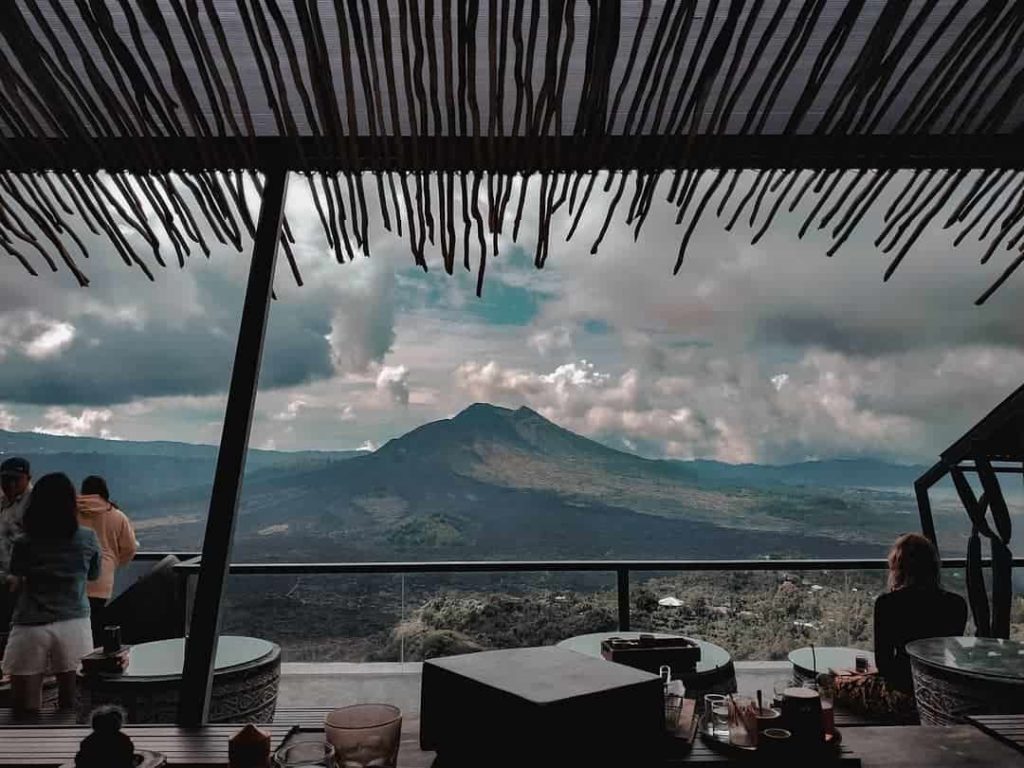
Akasa Coffee represents the premium segment of the Kintamani coffee scene. With a price point averaging around IDR 150,000 per person, it positions itself as a destination for those seeking a more curated culinary experience. The menu features an extensive range of breakfast options, artisanal coffees, and even a selection of imported beers.
From an architectural standpoint, Akasa utilizes large-scale glass panels, ensuring that the cold climate does not interfere with the enjoyment of the view. The establishment has become a popular case study for local developers, demonstrating that high-end amenities can thrive in remote, mountainous regions if the aesthetic value is high enough to justify the travel time from Bali’s urban centers.
4. Batur 1926: Timing and Temporal Beauty
Batur 1926 has gained notoriety among photography enthusiasts for its specific architectural features, most notably the traditional Balinese gateway (gapura) situated on its rooftop terrace. The venue is frequently cited as a "sunrise destination." Visitors arriving as early as 05:30 AM are often rewarded with a clear view of the sun emerging from behind the volcanic peaks.
The strategic placement of this café allows it to capture the light of the early morning, which is critical for social media visibility. According to digital marketing analysts, the "instagrammability" of such venues has significantly altered the travel itinerary of the average tourist in Bali, with many now scheduling their mornings around specific locations that offer high-quality content potential alongside refreshments.
5. Kava Coffee: Design Cohesion and Landscape
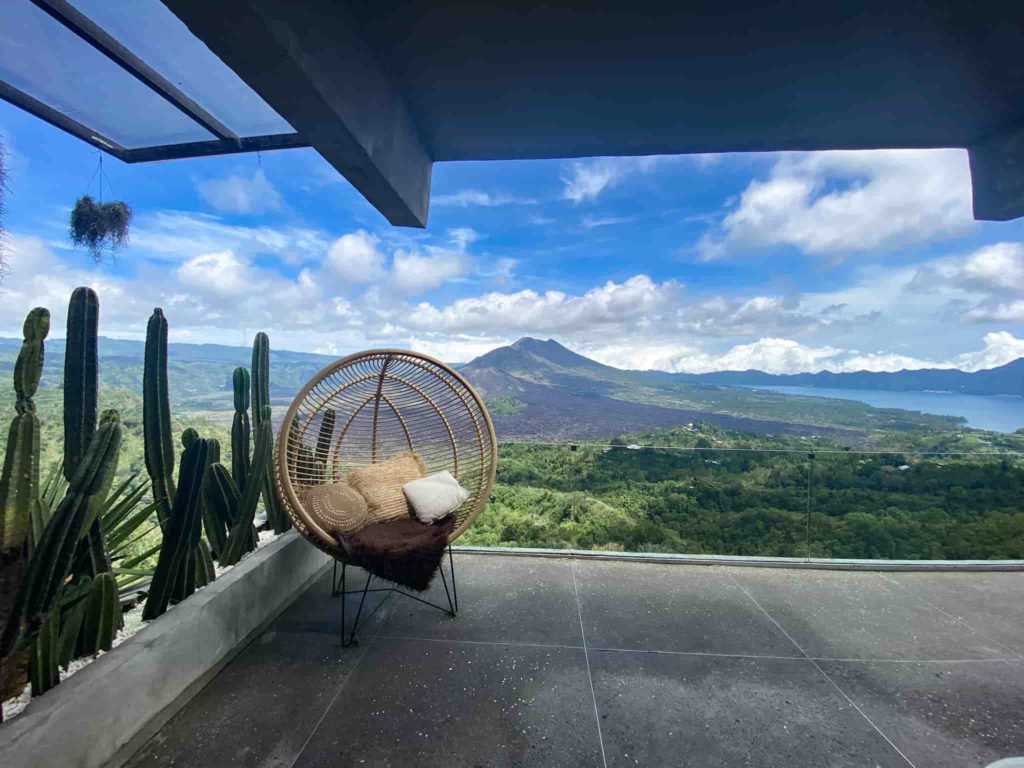
Kava Coffee adopts a design philosophy centered on minimalism, intended to mirror the rugged simplicity of the surrounding volcanoes. The interior is characterized by an open-plan layout with long, communal tables and semi-outdoor seating. The choice of glass as a primary material for the facade allows the café to function as a frame for the landscape.
Located at the edge of the caldera, it provides a unique perspective of Lake Batur. The design team behind Kava Coffee noted that the primary goal was to ensure the architecture did not distract from the natural environment but rather acted as an extension of it. This trend of "biophilic design"—incorporating nature into the built environment—has become the standard for new developments in the region.
Economic and Environmental Implications
The rapid development of these cafés brings both opportunities and challenges for the Kintamani region. On the economic front, the influx of tourists has created local employment opportunities, ranging from hospitality staff to local coffee bean suppliers. This vertical integration—where the café sources beans from the immediate surrounding farms—adds value to the local agricultural product, allowing farmers to command higher prices.
However, the rapid expansion has also prompted concerns regarding environmental management. The disposal of waste in mountainous areas and the increased traffic on narrow, winding roads have led local authorities to consider stricter zoning laws. The Bangli Regency government has acknowledged the need for sustainable development, emphasizing that the "scenic beauty" that draws tourists is the very resource that must be protected from over-commercialization.
Expert Analysis and Future Outlook
Tourism experts argue that the Kintamani café trend is a sustainable pivot for Bali. By dispersing tourists away from the heavily saturated south, the region can manage visitor density more effectively. Furthermore, the focus on "slow tourism"—where visitors spend several hours in one location enjoying the view rather than rushing between multiple sites—is seen as a positive development for the long-term health of the island’s tourism sector.
As these businesses continue to mature, the next phase of development is expected to involve more sophisticated waste management systems and potentially the development of "green" infrastructure to offset the carbon footprint of the increased visitor numbers. For the traveler, the message is clear: while these locations offer unparalleled aesthetic experiences, the best time to visit remains the early morning hours, particularly during the dry season, to ensure that the natural panorama remains fully visible and the experience is as serene as intended.
Whether one is visiting for the high-altitude climate, the exceptional local Arabica, or the photographic opportunities, the coffee shops of Kintamani have redefined what it means to visit the Balinese highlands. They represent a successful blend of modern lifestyle, traditional agriculture, and the enduring, majestic power of Indonesia’s volcanic landscapes.