The mid-October 2026 landscape across Europe has been defined by a volatile surge of civil unrest, as mounting frustration over the escalating cost of living and the perceived degradation of public services pushed citizens into the streets. While France has served as the epicenter of this seismic social movement, the tremors reached Italy with significant intensity, transforming the bustling commercial hub of Milan into a theater of confrontation. On the weekend of October 17–18, 2026, what began as organized demonstrations against economic hardship devolved into violent clashes between protesters and law enforcement, marking a critical inflection point in the current European socio-political climate.
A Chronology of the Milanese Uprising
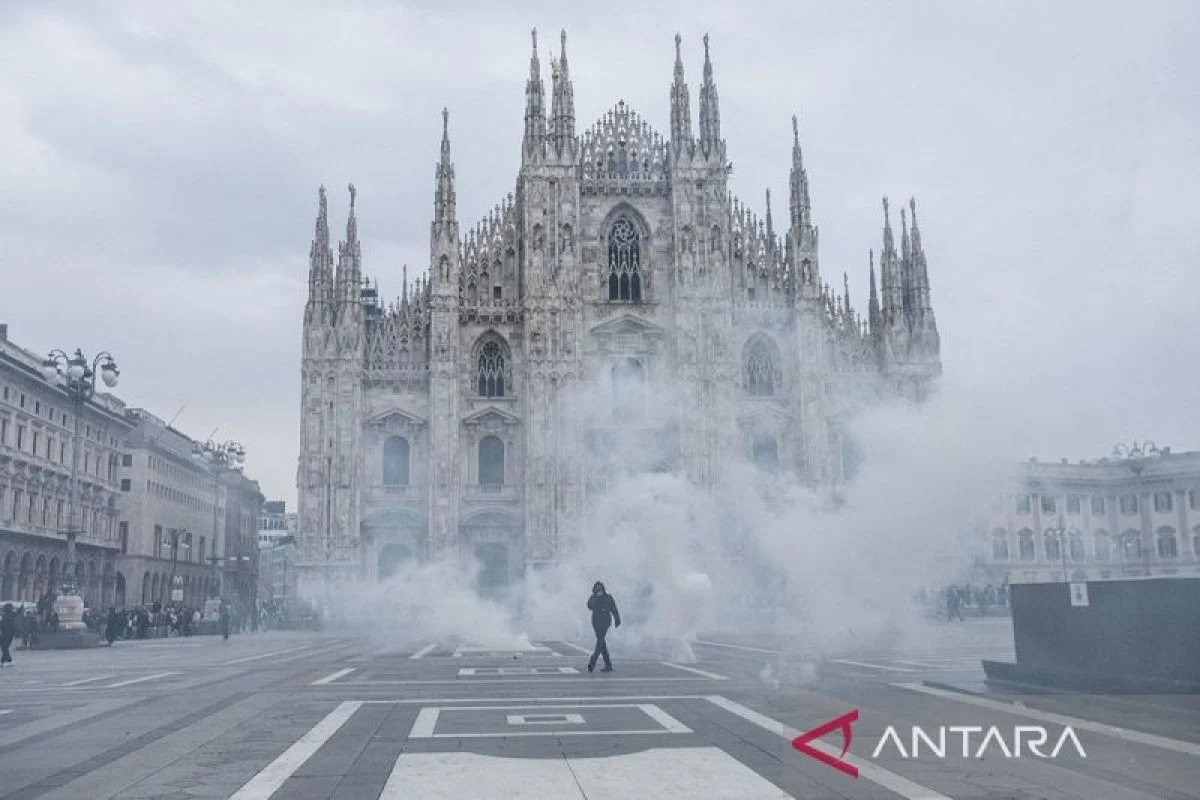
The unrest in Milan reached a crescendo on Saturday, October 17. The iconic Piazza del Duomo, typically a sanctuary for international tourists and local residents, was rapidly transformed into a frontline. According to eyewitness accounts and verified police reports, the situation deteriorated when a subset of masked individuals—distinct from the larger, peaceful contingent of demonstrators—began hurling stones, chunks of asphalt, and other projectiles at security forces. The scene quickly escalated as the perimeter of the piazza became a site of destruction. Retailers in the surrounding high-end shopping districts faced looting, while street furniture, including cafe tables and chairs, were repurposed into makeshift barricades and subsequently set ablaze.
Local authorities, faced with the rapid deterioration of order, deployed riot control measures, including tear gas and water cannons, to disperse the crowds. By nightfall on Saturday, the city’s heart had been forcibly cleared, leaving the streets strewn with debris. Associated Press reports from the evening of October 17 confirmed the detention of approximately 50 individuals, including several minors, while medical services reported at least two police officers sustained injuries during the initial skirmishes.
The violence proved not to be an isolated outburst but a recurring phenomenon. By Sunday, October 18, Reuters confirmed that the calm had not returned to the city center. A new wave of protesters, predominantly consisting of younger demographics, reassembled in the vicinity of the Duomo. This second day of confrontation saw a repetition of tactical maneuvers: the vandalization of storefronts, the destruction of municipal property, and aggressive engagement with the police. By the end of the second day, the number of detainees rose to over 60, as authorities worked to regain control of the urban center.
Economic Roots and Socio-Political Drivers
To understand the scale of the unrest, one must examine the confluence of economic stressors affecting the Italian populace. Milan, a global capital of fashion and finance, has become the focal point of a widening gap between the cost of essential services and stagnating wage growth. Inflationary pressures have hit the housing market particularly hard, with rental costs in the city skyrocketing to levels that have displaced many working-class families and young professionals.
This economic malaise is compounded by the perception that public services—transportation, healthcare, and education—are failing to meet the needs of the citizenry despite high tax burdens. The frustration is not merely about individual purchasing power; it is rooted in a systemic lack of upward mobility. Many protesters argue that the current economic trajectory serves the elite while leaving the average citizen to grapple with the rising costs of energy, food, and housing.
Furthermore, the demonstrations have become a vessel for broader ideological grievances. Beyond the domestic economic narrative, segments of the protest movement have explicitly incorporated anti-war rhetoric and criticism of foreign policy. This heterogeneity—whereby economic survivalists, anti-establishment activists, and political protesters march side-by-side—has made the movement difficult to categorize and even more difficult for the government to negotiate with. It is essential to note that the presence of these varied interests does not imply a collective endorsement of the violence; rather, it highlights the desperate, multifarious nature of the current societal dissatisfaction.
Comparative Analysis: The European Context
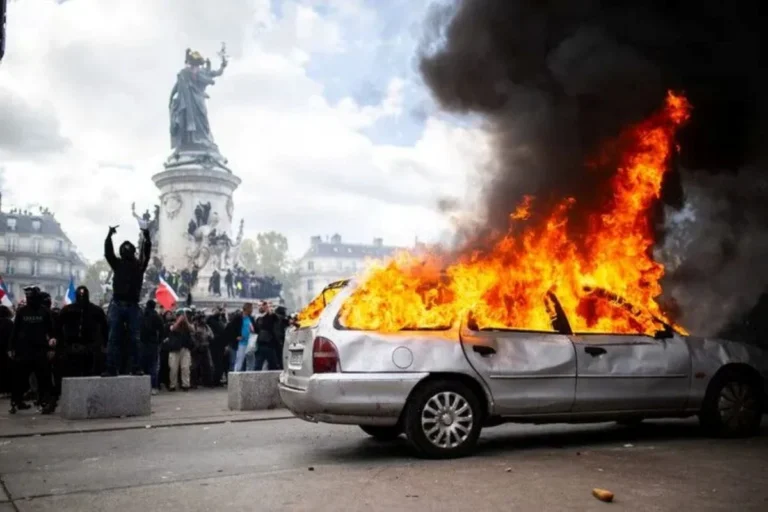
The timing of the Milan riots, coinciding with the massive demonstrations in France, has fueled speculation regarding a coordinated pan-European uprising. In France, the scale of the protests has been unprecedented, with hundreds of thousands taking to the streets to denounce the rising cost of living and the deterioration of public services. Reports from French authorities and international news agencies indicate that the protests in Paris and other major cities have resulted in over 2,400 arrests and nearly 1,000 police injuries. Tragically, the French unrest was also marked by a fatality, with a protester suffering a fatal cardiac event amidst the chaos.
While the phenomena in Italy and France share distinct parallels—namely the rejection of current fiscal policies and a deep-seated anger regarding the quality of life—experts remain cautious about labeling them as part of a single, orchestrated campaign. Instead, most analysts view these events as a synchronized symptom of a broader European crisis. The socioeconomic data across the Eurozone suggests that the "cost-of-living crisis" is not confined by national borders. Countries including Belgium and Portugal have also seen localized protests, reinforcing the theory that citizens across the continent are reaching a collective breaking point regarding their financial autonomy.
Official Responses and Government Strategy
The government of Prime Minister Giorgia Meloni has adopted a firm stance against the violence. In an official statement, the Prime Minister emphasized the fundamental right to protest while drawing a strict red line at criminal activity. "The right to express dissent is a cornerstone of our democracy," Meloni stated, "but the destruction of public property, the looting of private businesses, and the physical assault of those who protect our streets are acts that cannot and will not be tolerated."
Milan’s Mayor, Giuseppe Sala, echoed these sentiments, acknowledging the validity of the underlying economic grievances while condemning the destruction of the city’s heritage and economic life. The administration has since signaled a move toward a more rigorous security posture. Reports indicate that the Italian government has considered deploying military personnel to support police in maintaining order in major urban centers, a move intended to deter further vandalism and protect critical infrastructure.
As of October 19, the Italian cabinet initiated high-level emergency meetings to address both the security crisis and the economic instability driving it. The government faces a narrow path: it must restore order to maintain public safety and economic confidence, yet it must also address the substantive policy demands—such as wage reform, rent control, and public spending efficiency—to prevent the current unrest from devolving into a long-term state of civil instability.
Implications for the Future
The events in Milan and across Europe serve as a sobering indicator of the fragility of the current social contract. The shift from peaceful demonstration to violent riot suggests that when large swathes of the population feel ignored by the political establishment, the mechanisms of civil society can easily break down.
The immediate implications are clear: the retail and tourism sectors in major European cities will likely face a period of heightened caution and potential revenue loss as security concerns mount. Politically, the pressure on national governments to implement populist or radical economic reforms is set to increase. Whether these governments can pivot effectively to address the cost-of-living crisis through legislative reform, or whether they will resort to increased authoritarian measures to quell dissent, remains the defining question for the remainder of 2026.
As the continent looks toward the coming winter, the nexus of energy costs, food inflation, and political polarization will continue to test the stability of European nations. The Milan riots are not an isolated anomaly; they are a warning sign that the socio-economic pressures currently being felt by citizens are reaching a threshold that, if left unaddressed, could lead to a winter of significant political and social transformation. For now, the focus remains on the streets, where the tension between a demand for a better quality of life and the necessity of public order remains, for the moment, unresolved.