Salatiga, a hidden gem nestled at the foot of Mount Merbabu in Central Java, continues to attract travelers seeking a serene escape from the bustling metropolitan life of Indonesia’s major cities. Known for its cool climate, rich historical tapestry, and diverse culinary offerings, this modest city recently became the focus of an extended cultural and leisurely expedition undertaken by travel journalist Fandy Hutari and his spouse in early June 2026. Their multi-city itinerary spanning Bandung, Semarang, Salatiga, and Solo highlighted Salatiga’s unique position as a destination where colonial history, Javanese heritage, and rural tranquility seamlessly intersect.
The Journey and First Impressions of Salatiga
The expedition began in early June 2026, originating from the West Javanese capital of Bandung. Traveling alongside his wife, Hutari navigated the approximately 50-kilometer stretch between Semarang and Salatiga via the Semarang-Solo Toll Road. Utilizing a commercial travel car, the transit took roughly 1.5 hours, culminating in an arrival at the Jalan Diponegoro transit point in Salatiga on the afternoon of June 2.
Upon offloading their luggage, the travelers immediately transitioned to a localized online taxi service to reach their accommodation. Their initial impressions of Salatiga underscored its distinct regional character: an exceptionally clean, cool, and peaceful urban environment devoid of the aggressive noise pollution typically associated with larger Javanese industrial centers. This atmospheric tranquility established the foundation for a thorough exploration of the city’s historical landmarks, natural attractions, and culinary landscape.
The Legend and Landscape of the Wedding Tree
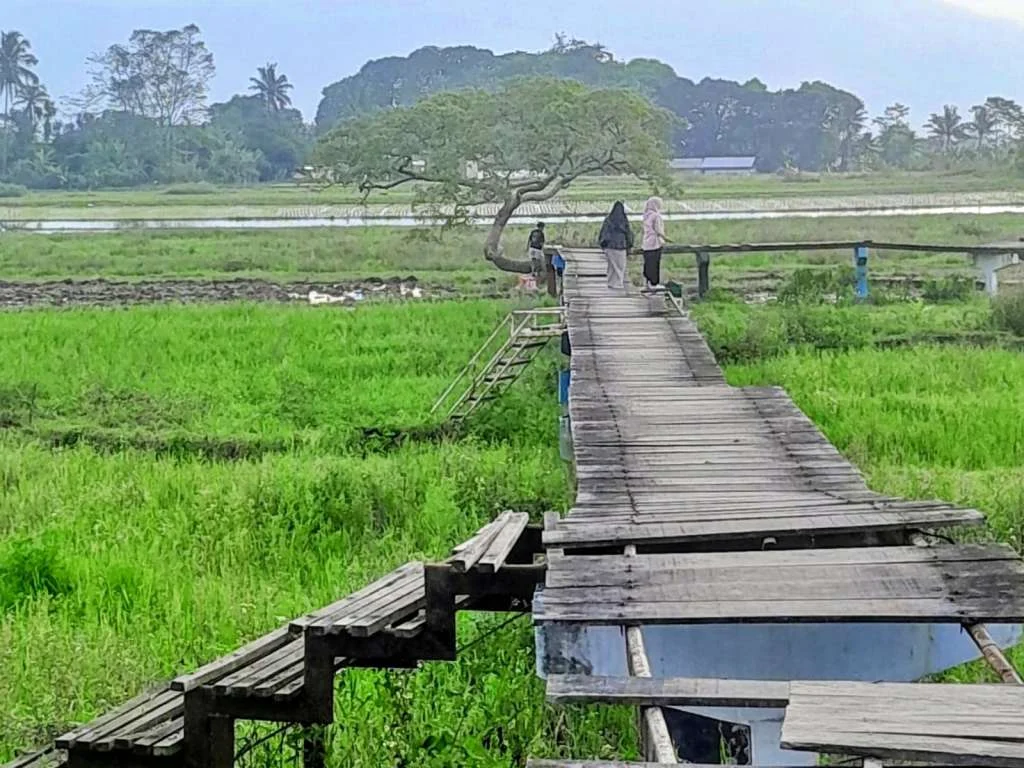
The first operational stop on the itinerary was the regionally famous "Pohon Pengantin" (Wedding Tree), located amidst the agricultural expanse of Bancaan Village. Accessible within minutes via online transport from the city center, the solitary tree resembles a giant bonsai, featuring an intricately twisted trunk and dense foliage that stands in stark contrast to the surrounding paddy fields.
Historically, local folklore notes that two trees originally occupied the site, though one was eventually cut down, prompting the moniker "Wedding Tree" as a symbolic representation of fidelity, partnership, and waiting. The site has gained substantial visibility across social media platforms, drawing photographers and landscape enthusiasts, particularly during sunrise and sunset hours.
Access to the tree is facilitated by a long wooden bridge extending from the edge of the rice fields. However, observations from the trip revealed infrastructure maintenance challenges, as parts of the wooden pathway have degraded and require urgent restoration. Despite these infrastructural limitations, the surrounding environment offers visitors a sensory respite characterized by cooling breezes and unobstructed panoramic views.
Urban Heritage and the Evolution of Alun-alun Pancasila

To facilitate broader mobility across the city, the travelers secured a motorcycle rental from Jalan Melatisari in the Kotawinangun district, navigating around the localized rental limitations prevalent near the Universitas Kristen Satya Wacana (UKSW) campus. Their exploration subsequently led to the Alun-alun Pancasila (Pancasila Square), a central civic space bustling with local residents engaging in recreational walking, jogging, and social gatherings.
Established originally in the 1920s as Alun-alun Kabupaten and later known as Alun-alun Kepatihan, the 14,360-square-meter public square underwent a comprehensive revitalization program in 2020. The most prominent architectural addition resulting from this modernization is the elevated monument dedicated to three national heroes: Brigadier General Sudiarto, Rear Admiral Yos Sudarso, and Air Marshal Adisucipto.
The monument, standing over 10 meters tall, features a triangular pyramid design built upon a semi-circular podium floor. Its upper apex incorporates the Garuda Pancasila national symbol, an Indonesian geographic map relief, and intricate symbolic carvings, flanked on both sides by active water fountains.
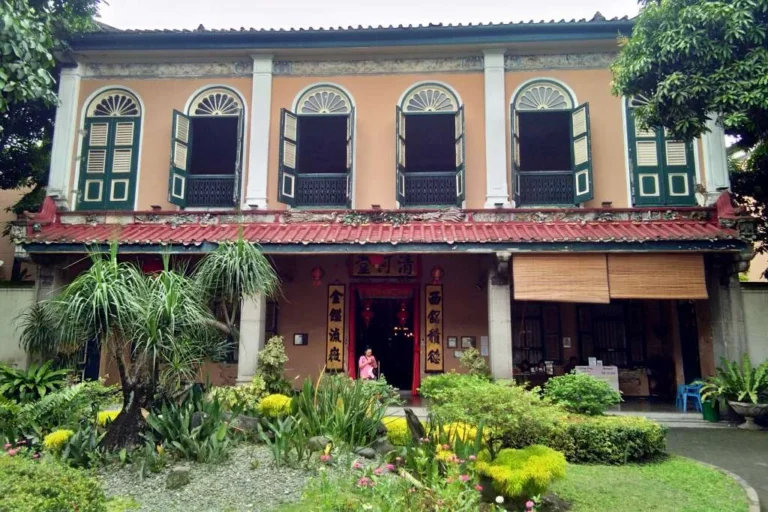
Surrounding the square are critical historical markers that anchor Salatiga’s colonial past. These include the historic Pakuwon Building, the 17th-century site where the Treaty of Salatiga was signed—officially dividing the remnants of the Mataram Sultanate into three autonomous entities—and the Salatiga Police Traffic Unit (Satlantas) building, which originally functioned as Fort Hock, constructed in the early 1700s.
Culinary Explorations: Traditional Flavors and Modern Virality

Salatiga’s culinary identity formed a core component of the June expedition. On the morning of June 3, the itinerary commenced with a breakfast hunt originating near Pasar Raya 1 Salatiga. Venturing down Gang Reksa off Jalan Jenderal Sudirman, the travelers sampled a local soto dish that had gained widespread digital visibility through social media channels and prior features on national television culinary programs.
This was followed by a visit to a modest stall located on the second floor of Pasar Raya 1, specializing in "sate kronyos"—skewered beef fat grilled over traditional coals. The dish, identified by its distinct smoky aroma and accessible pricing, exemplifies Salatiga’s capacity to preserve affordable, traditional street food options amid changing economic landscapes.
Later in the visit, additional culinary stops included traditional dining establishments such as Warung Makan Bu Yamini along the Semarang-Surakarta route, alongside local culinary variants like sate sapi (beef satay) near the Pasaraya 2 complex, accompanied by traditional ronde sekoteng ginger beverages.
Historical Preservation at the Salatiga Museum and Prasasti Plumpungan
Following the morning culinary tour, the travelers visited the Salatiga Museum, situated on Jalan Plumpungan in Kauman Kidul. Established in 2018 within a modest building that resembles a residential home, the museum serves as the primary repository for the city’s foundational history.

The museum’s focal point is housed within a protective glass enclosure in the courtyard: the Prasasti Plumpungan (Plumpungan Inscription). Measuring 170 centimeters in length and 160 centimeters in width, the stone features inscriptions written in Sanskrit and Old Javanese characters. Epigraphical analysis dates the inscription to the year 750 AD, officially recording the establishment of the tax-exempt land ( tanah perdikan) of Hampra, which serves as the historical antecedent and official founding date of Salatiga.
Inside the museum, collections include replica statues, historical manuscripts, local documentation, architectural fragments from ancient regional temples, and artifacts chronicling the administrative evolution of the municipality.
Natural Springs and Rural Topography: Umbul Senjoyo and Tegalwaton
Expanding beyond the immediate municipal boundaries, the itinerary extended toward Umbul Senjoyo, located in Tegalwaton Village within the neighboring Semarang Regency. Positioned geographically closer to Salatiga than to Semarang’s urban core, the natural spring destination features large, crystal-clear bathing pools shaded by dense, mature canopy trees and populated by freshwater fish.
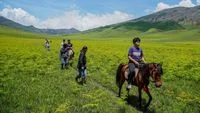
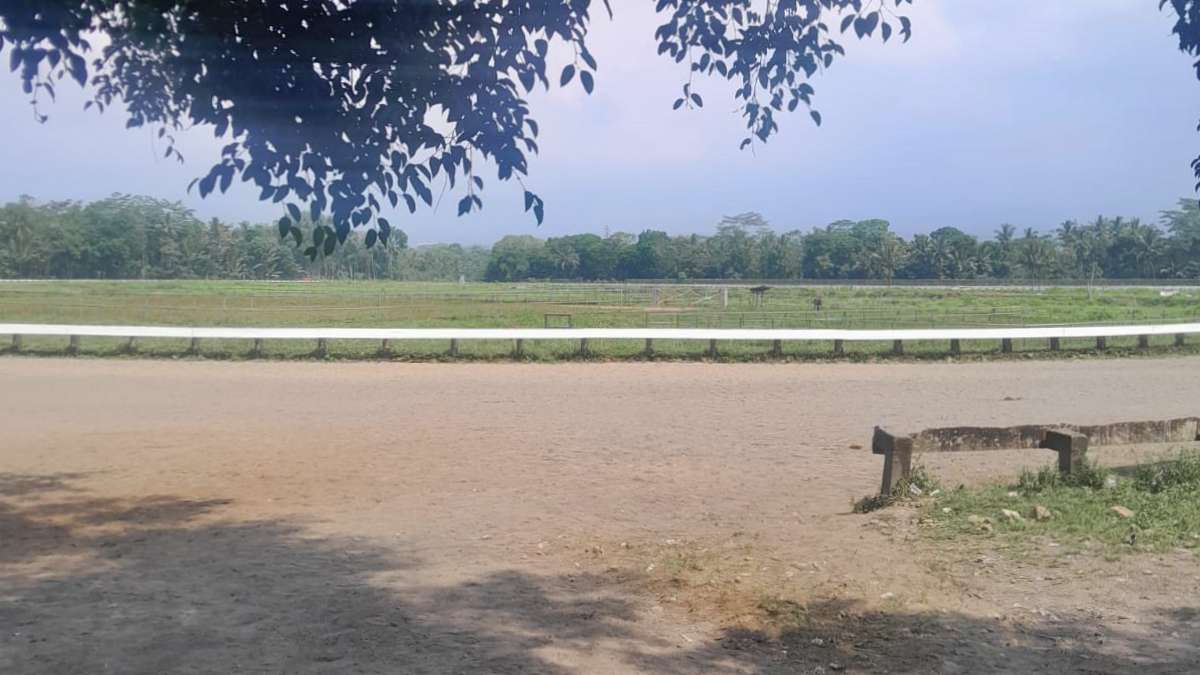
Navigating the ascending roadways past Umbul Senjoyo revealed traditional wooden vernacular architecture characteristic of rural Central Java. The route ultimately culminated at the Tegalwaton horse racing field, situated at the edge of the village. While the midday arrival precluded views of Mount Merbabu—a vista typically visible during early morning hours—the landscape underscored the region’s diverse topographical integration of agriculture, sport, and eco-tourism.

Socio-Economic Implications and Regional Tourism Outlook
The multi-day expedition through Salatiga highlights several broader implications for regional tourism development in Central Java. As secondary and tertiary cities increasingly leverage digital media platforms for destination marketing, locations like Salatiga benefit from an influx of travelers seeking alternatives to heavily commercialized hubs like Yogyakarta or Semarang.
Local economic actors, ranging from traditional market vendors and culinary micro-enterprises to motorcycle rental providers and accommodation operators, stand to gain from this sustained domestic tourism interest. However, infrastructural maintenance—exemplified by the damaged wooden bridge at the Wedding Tree site—remains a critical variable for municipal stakeholders aiming to balance viral digital exposure with safe, long-term visitor management.
Concluding their stay on June 4, 2026, the travelers prepared for the subsequent leg of their Central Java journey toward Solo, leaving behind a city that successfully bridges its 8th-century origins with contemporary domestic travel trends.