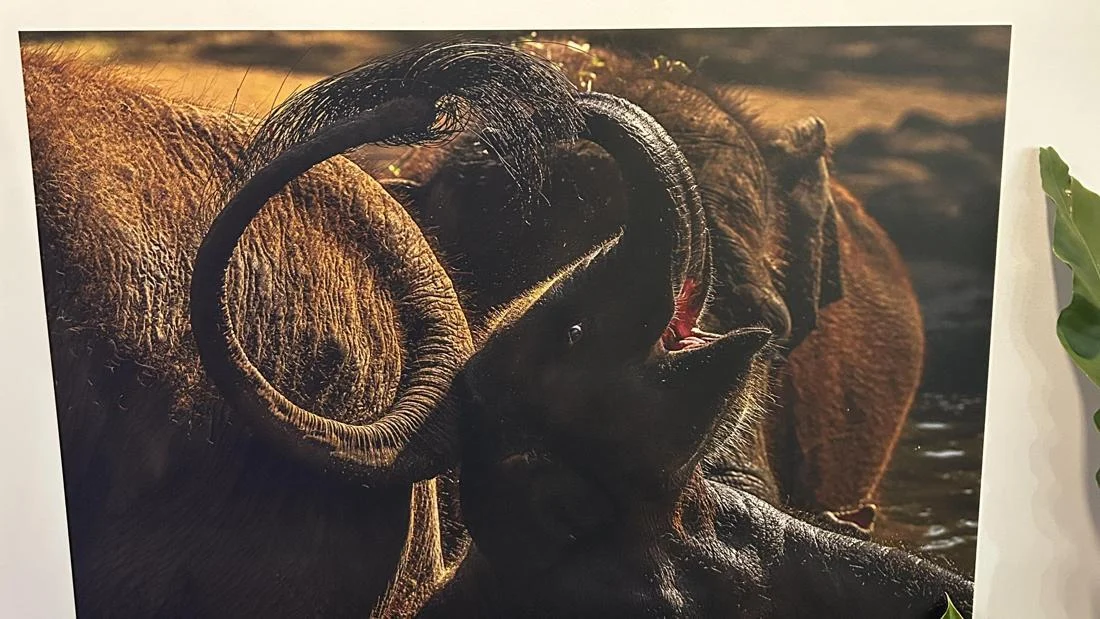
The Taman Safari Indonesia (TSI) Group officially concluded its flagship event, the International Animal Photo and Video Competition (IAPVC) 2026, marking a historic milestone in the organization’s long-standing commitment to wildlife conservation and creative arts. During the grand awarding ceremony held at the Menara BTN in Jakarta, the institution celebrated the winners of a competition that has, over three and a half decades, evolved from a niche photography contest into one of the most prestigious wildlife visual arts platforms in Southeast Asia.
Hans Manansang, Director of Commercial and Business Development at TSI Group, revealed that the 2026 edition shattered all previous participation records. With over 10,000 registered participants submitting a staggering 28,377 individual works, the competition experienced a 77 percent surge in engagement compared to the previous year. This unprecedented volume of entries highlights a growing public interest in wildlife photography and videography as both an artistic pursuit and a tool for environmental advocacy.
A Legacy of Three Decades in Wildlife Documentation
Since its inception in 1990, the IAPVC has served as a consistent bridge between human observation and the natural world. In an era where digital media consumption is at an all-time high, the competition’s survival and growth reflect its ability to adapt to changing technological landscapes while maintaining its core mission: to foster a deeper understanding of biodiversity.
The theme for 2026, "From Lens to Legacy," was strategically chosen to emphasize the long-term impact of visual storytelling. By capturing the fleeting, raw behaviors of animals within the controlled yet expansive environments of TSI’s parks, photographers and videographers are essentially creating a historical archive of wildlife existence. These images serve as more than just aesthetic representations; they function as documentation of animal health, behavior, and the success of modern zoo-based conservation efforts.
The Evolution of the Competition: From Static to Dynamic
The transformation of the IAPVC is clearly visible when examining its historical trajectory. In the 1990s, the contest focused primarily on traditional film photography. Today, it encompasses high-definition video production, drone cinematography, and social media-driven content creation. This evolution has attracted a diverse demographic, ranging from professional photojournalists and seasoned videographers to young, digitally native content creators.
This year’s edition was particularly notable for its integration of the "Wildlife Roadshow Story Challenge." This outreach program brought the competition directly to the field, hosting specialized sessions at Taman Safari Bogor, Solo Safari, and Taman Safari Prigen. By providing participants with direct access to wildlife experts and controlled shooting environments, the TSI Group successfully lowered the barrier to entry, encouraging amateur enthusiasts to refine their craft alongside seasoned professionals.
Quantitative Impact and Participation Trends
The 77 percent growth in participation is not merely a statistical anomaly but a reflection of the current socio-cultural environment in Indonesia. The rise of environmental consciousness among the younger generation, coupled with the increasing accessibility of high-quality camera equipment, has fueled a surge in nature photography.
Data from the IAPVC secretariat indicates that the submissions were distributed across various categories, including Macro Wildlife, Animal Behavior, and Conservation Storytelling. The surge in entries necessitated a rigorous, multi-stage judging process involving wildlife biologists, renowned photographers, and media experts. This ensures that the winning entries are not only visually compelling but also ethically captured—a critical requirement for the TSI Group, which maintains strict guidelines regarding animal welfare during filming.
Official Responses and Strategic Vision
During his keynote address at the Menara BTN, Hans Manansang emphasized the strategic importance of the IAPVC for the broader conservation mission of the TSI Group. "When a person picks up a camera to observe an animal, their perspective shifts," Manansang noted. "They stop seeing the animal as a mere display and start seeing it as a sentient being with unique needs and behaviors. That shift in perspective is the first step toward true conservation."
The TSI Group views the competition as an extension of their educational mandate. By providing a platform where these works can be viewed by millions, the group fosters a national dialogue on the importance of habitat protection and the role of zoos in preventing the extinction of endangered species.
The prizes offered this year—including a Wuling electric vehicle and significant cash rewards—represent the institution’s commitment to incentivizing professional-grade work. The inclusion of an electric vehicle as a top prize is also symbolic, aligning the competition with broader sustainability goals and the reduction of carbon footprints within the conservation sector.
The Broader Impact on Conservation Advocacy
The implications of the IAPVC extend far beyond the awarding ceremony. In the digital age, visual content is the primary driver of public opinion. By curating a massive library of high-quality wildlife imagery, the IAPVC provides the TSI Group with invaluable assets for their educational campaigns.
Professional analysis suggests that such competitions act as a "soft power" tool for conservation. When high-quality images of endangered species reach a wide audience, they generate empathy. This empathy, in turn, translates into public support for zoo-led research, breeding programs, and habitat restoration efforts. Furthermore, the involvement of journalists and professional content creators ensures that the stories behind these images—such as the challenges of captive breeding or the intelligence of primates—reach mainstream media outlets, effectively amplifying the reach of the TSI Group’s core mission.
Future Outlook: Sustaining the Momentum
As the IAPVC looks toward its 36th year and beyond, the TSI Group faces the challenge of maintaining this momentum. The success of the 2026 edition proves that there is a hunger for high-quality, nature-based creative challenges. Future iterations of the competition are expected to integrate more advanced technologies, potentially including AI-assisted editing workshops or virtual reality experiences that allow the public to "see" the world through the lens of the winning photographers.
The competition also serves as a talent pipeline. Many of the participants who started as amateurs in the early years of the IAPVC have since become prominent professional wildlife photographers, contributing to global media outlets and scientific publications. By continuing to nurture this ecosystem, the TSI Group is effectively building a community of lifelong environmental stewards.
Conclusion
The 2026 International Animal Photo and Video Competition serves as a testament to the enduring power of visual storytelling in the field of conservation. By successfully blending art, science, and technology, the Taman Safari Indonesia Group has created a platform that not only rewards individual talent but also contributes to a collective understanding of our natural world. As the winners carry their trophies and prizes home, the true value of the event remains in the 28,377 perspectives shared—each one a small but significant contribution to the broader effort to protect and celebrate the diversity of life on Earth.
The IAPVC will undoubtedly continue to be a benchmark for wildlife photography in Indonesia, and its role as an educational and cultural institution will only strengthen as it navigates the digital future. The record-breaking success of 2026 sets a high bar, but it also provides a clear mandate: to keep the lens focused on the importance of wildlife for generations to come.