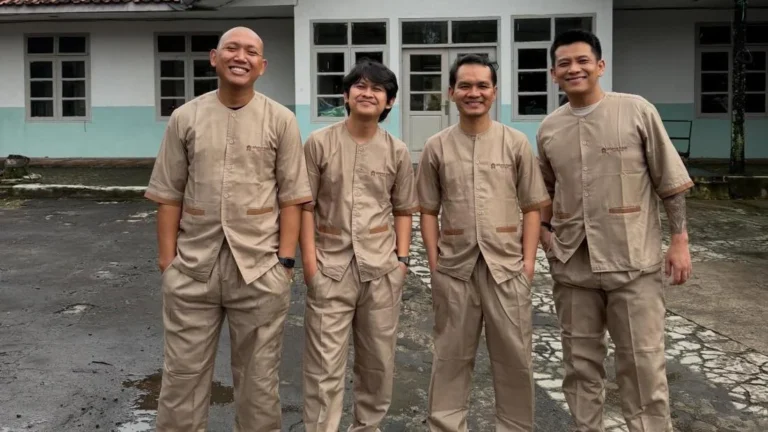
Jakarta — Indonesian entertainer Aldi Taher has publicly disclosed a harrowing period in his personal life, revealing that he grappled with severe suicidal ideation approximately eight to nine months ago. The revelation, which has sparked a broader conversation regarding mental health awareness among public figures in Indonesia, highlights the intersection of psychological distress, spiritual disconnect, and the pressures of celebrity life. Taher, a prominent figure in the Indonesian entertainment industry who is also a cancer survivor, shared these intimate details to illustrate the fragile nature of mental well-being even when professional and financial circumstances appear stable.
The Chronology of a Mental Health Crisis
According to Taher, the crisis began to manifest less than a year ago. During this period, the performer experienced a significant shift in his daily habits, specifically distancing himself from his religious practices, including the recitation of the Quran and the performance of daily prayers. Taher identifies this departure from his spiritual routine as a catalyst for a profound sense of emptiness.
The psychological decline reached a critical point when he confessed his intentions to his wife, Salsabilih, shortly after she had given birth. This period of vulnerability was marked by acute feelings of despair. Taher recounted a specific, distressing moment in his residence where he contemplated self-harm by consuming a chemical substance found in his bathroom.
The intervention of his spouse proved pivotal. Upon hearing her husband’s admission, Salsabilih reportedly remained composed, urging him to return to his spiritual practices. "She told me to read the Quran again, and that moment served as a profound awakening for me," Taher recalled during a recent media briefing. This interaction prompted a shift in his trajectory, leading him to prioritize his mental health and re-engage with his support systems, including his mother and his religious community.
Contextualizing Mental Health in the Entertainment Industry
The case of Aldi Taher serves as a mirror for the broader challenges faced by individuals in the high-pressure environment of the Indonesian entertainment sector. Research conducted by the Indonesian Ministry of Health and various mental health advocacy groups suggests that public figures often face unique stressors, including public scrutiny, irregular working hours, and the instability of the creative economy.
Data from the World Health Organization (WHO) consistently underscores that mental health disorders—including depression and anxiety—are significant contributors to the global burden of disease. In Indonesia, the stigma surrounding mental health has historically hindered open discourse, though recent years have seen an increase in awareness initiatives. Experts in psychology suggest that when high-profile individuals speak about their struggles, it can serve to normalize the conversation, potentially encouraging members of the public to seek help when they experience similar symptoms.
The Intersection of Resilience and Recovery
Aldi Taher’s journey is not only defined by his recent mental health struggle but also by his history as a cancer survivor. Having navigated the arduous process of chemotherapy and recovery, Taher has frequently positioned himself as a symbol of resilience. During his medical treatment, he notably engaged in small-scale entrepreneurial ventures, such as selling sate taichan, to maintain his livelihood and psychological focus.
The correlation between chronic physical illness and mental health is well-documented in clinical literature. Patients undergoing long-term treatment for conditions like cancer are statistically at a higher risk for developing depressive disorders due to the psychological toll of diagnosis, treatment side effects, and changes in lifestyle. Taher’s ability to pivot between his career, his health challenges, and his role as a husband and father underscores the necessity of a multifaceted support network in managing long-term recovery.
Societal Implications and the Role of Support Systems
The public reaction to Taher’s disclosure has been varied, reflecting a shift in how society perceives celebrity vulnerability. By framing his recovery through the lens of spiritual grounding, Taher has tapped into a support system that is culturally significant in Indonesia. However, mental health professionals caution that while spiritual practices can be a vital component of holistic health, they should ideally be integrated with professional psychological support when individuals are experiencing severe crises.
"The key takeaway from instances like this," says a mental health analyst, "is the importance of early detection and the willingness to communicate. When an individual feels that they have reached a point of absolute emptiness—despite having external markers of success like steady income or fame—it is a clear indication that internal psychological resources are depleted."
Analytical Perspectives on Professional Stability
Taher noted that his feelings of despair were not tied to financial hardship. Despite maintaining a consistent income and steady employment in the entertainment industry, he described the sensation of "unexplained fear" and an inability to perceive his success as a result of his efforts or external blessings. This phenomenon is often identified in psychological literature as "anhedonia" or a general sense of existential dread, which can occur independently of one’s socioeconomic status.
The fact that Taher chose to share this story at this juncture suggests a desire to provide a counter-narrative to the often-curated image of celebrity perfection. By emphasizing his vulnerability, he invites a more nuanced view of what "success" looks like in the public eye.
Looking Forward: Advocacy and Personal Growth
As he moves forward, Taher has expressed a commitment to using his platform to encourage others who may be facing similar difficulties. His message of "having to rise again" is aimed at those feeling overwhelmed by life’s pressures.
In terms of his professional life, Taher continues to balance his artistic endeavors with culinary business ventures. These activities, according to the performer, serve as grounding mechanisms that keep him focused on tangible outcomes rather than abstract anxieties. The integration of work, family life, and personal reflection remains the cornerstone of his current approach to mental health.
Conclusion: A Call for Continued Awareness
The story of Aldi Taher serves as a poignant reminder that mental health crises do not discriminate based on fame or fortune. The transparency with which he addressed his suicidal thoughts and the subsequent recovery process offers a significant contribution to the ongoing dialogue about mental health in Indonesia.
Moving forward, the focus for both public figures and the general population remains on the necessity of destigmatizing the search for help. Whether through professional psychological intervention, familial support, or personal spiritual practices, the path to recovery is rarely solitary. As Taher continues his career, his experience remains a testament to the importance of resilience, the power of open communication, and the necessity of prioritizing one’s well-being above all else.
The incident also highlights the role of the family unit in crisis intervention. The immediate and calm response from his spouse is a practical example of the "first responder" role that family members often play in mental health emergencies. By validating his feelings and steering him toward a positive coping mechanism, she played an instrumental role in his stability. This dynamic emphasizes the need for community-based support systems, where individuals are equipped with the basic tools to support loved ones in distress before a situation reaches a point of crisis.
In conclusion, the discourse sparked by this revelation is indicative of a society that is slowly becoming more comfortable with the complexities of the human condition. While there is still a long way to go in terms of providing accessible and comprehensive mental health services across the archipelago, the willingness of public figures to be vulnerable is a necessary step in the right direction. It challenges the public to look beyond the surface of celebrity life and recognize the shared human struggle that resides beneath. As Taher continues to navigate his path, he remains a figure of public interest, not only for his contributions to entertainment but for his candidness in navigating the trials of life.