Nestled in the lush landscape connecting Magelang and Temanggung in Central Java, a century-old railway bridge stands as a silent testament to Indonesia’s colonial transportation history. Long bypassed by modern development, this abandoned iron structure spanning the wide expanse of the Progo River has transitioned from a vital economic artery into a compelling historical landmark and an unconventional destination for heritage tourism. Originally constructed during the height of the Dutch East Indies railway expansion, the site offers contemporary travelers and historians alike a tangible connection to the region’s nineteenth- and twentieth-century infrastructure development.
Chronology and Historical Background
The origins of the bridge trace back to the early twentieth century, a period when the colonial administration aggressively expanded rail networks to facilitate the transport of agricultural commodities from Central Java’s interior to major ports. According to historical records, including documentation from the Dutch engineering publication De Ingineur, the bridge forms an integral component of the Secang–Temanggung railway line. Developed by the Nederlandsch-Indische Spoorweg Maatschappij (NISM)—one of the primary railway companies operating in colonial Java—this specific segment officially commenced operations on January 3, 1907.
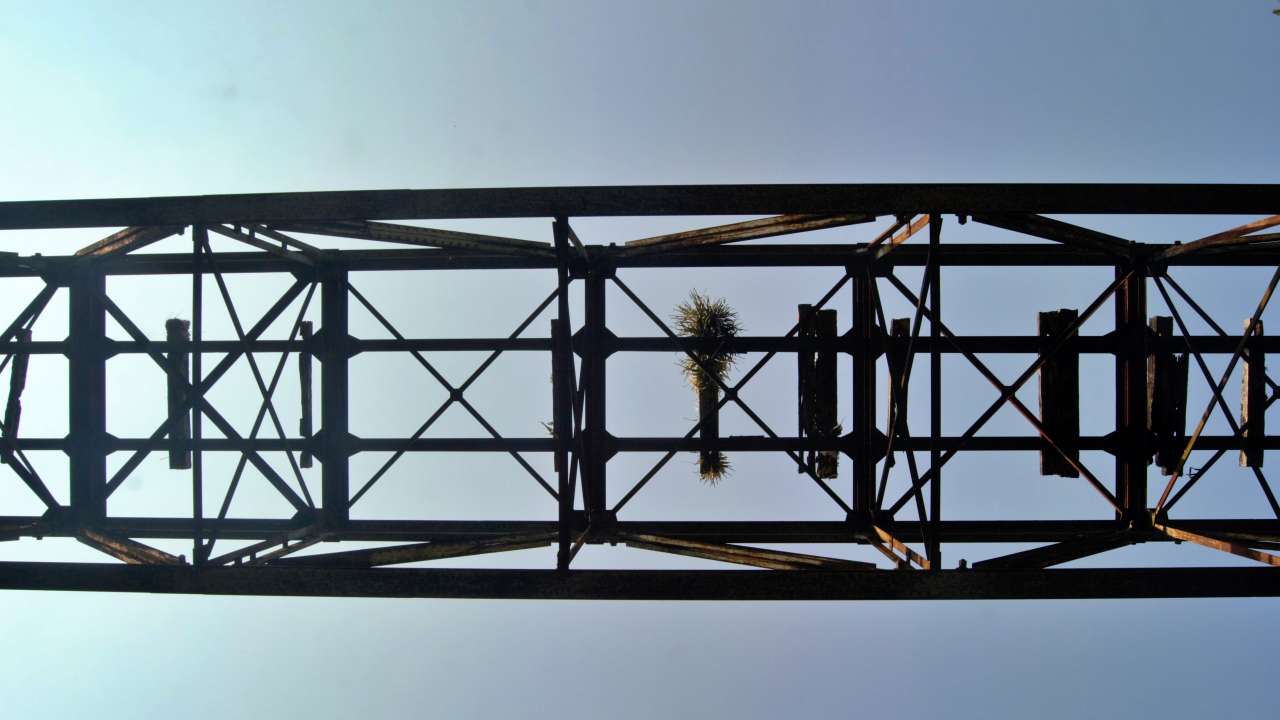
For decades, the rail line served as a crucial economic link, carrying passengers and freight across the challenging terrain of the Kedu residency. The bridge over the Progo River was engineered to withstand the natural geography of the area, utilizing heavy iron framing and elevated stone piers designed to span the wide river basin safely. However, shifting economic priorities, the devastation of infrastructure during various mid-century conflicts, and the eventual rise of motorized road transport led to the systematic abandonment of numerous branch lines across Java. By the latter half of the twentieth century, the rails fell silent, leaving the iron framework to weather the elements while the surrounding landscape reverted to agricultural use.

Navigating the Relic: Accessibility and Terrain
Today, the abandoned bridge remains largely unincorporated into official tourism infrastructure, preserving its raw, untouched character. Located just off the main provincial thoroughfare connecting Magelang and Temanggung, the site is discreetly positioned near the southern approach of the modern Progo River bridge. Visitors navigating to the location often note its hidden nature; the turnoff requires descending a narrow incline immediately following the main bridge, frequently eluding first-time travelers.
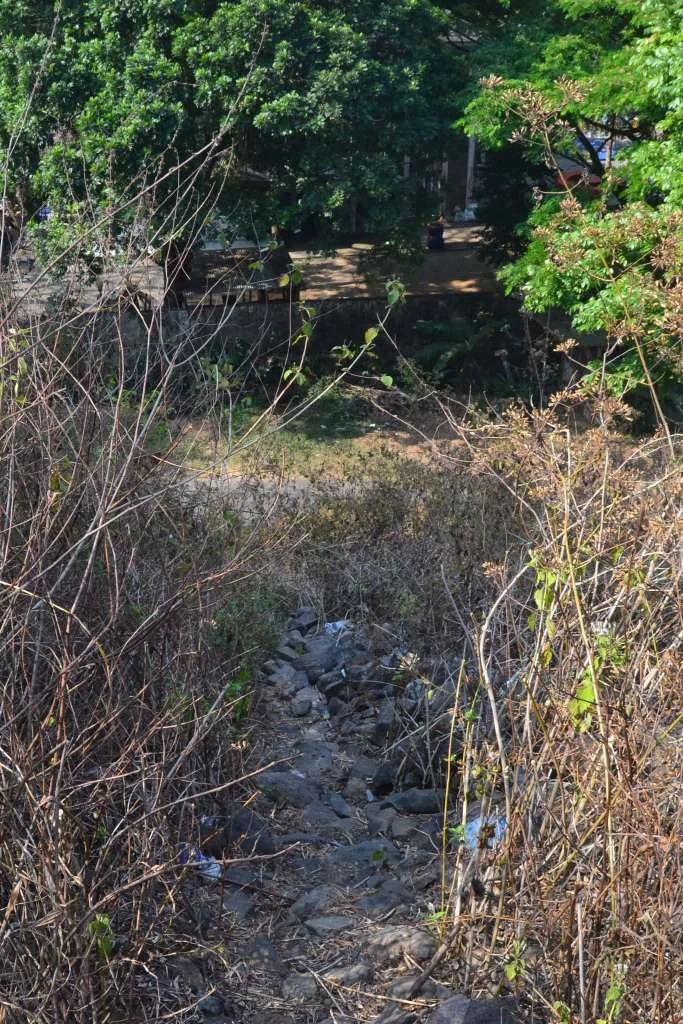
Beneath the towering iron structure lies a small, tranquil public park and active agricultural fields where local farmers cultivate rice. Accessing the upper deck of the bridge presents a physical challenge due to its elevation, which towers significantly above the riverbed. While local guides and residents point visitors toward steep rock formations acting as informal footpaths, the ascent demands caution, particularly for those carrying equipment. Alternative routes require navigating densely vegetated embankments and overgrown trails. Despite these topographical hurdles, reaching the rusted tracks rewards observers with panoramic vistas of Mount Sumbing to the west, intricate terraced paddy fields, and the residential clusters of Temanggung.

Infrastructure Preservation and Asset Ownership
As a remnant of colonial-era public works, the land and structural assets associated with the Secang–Temanggung line fall under the legal purview of PT Kereta Api Indonesia (KAI), the state-owned railway enterprise tasked with managing national railway assets. Official signage posted near the site denotes property ownership boundaries, reflecting KAI’s ongoing efforts to catalog, secure, and protect disused railway corridors and real estate across Indonesia.
The preservation of such industrial heritage structures presents a complex challenge for municipal authorities and asset holders. While structures like the Progo River bridge hold significant historical value for industrial archaeology, their physical deterioration and lack of safety barriers pose inherent liability risks. Infrastructure experts and heritage conservationists have long debated the viability of adaptive reuse projects—such as converting defunct rail lines into greenways or heritage cycling paths—which could simultaneously safeguard historical architecture and boost local tourism economies in Central Java.

Socio-Economic Implications and Local Integration
While the bridge no longer serves its original logistical purpose, it has integrated organically into the local ecosystem. The surrounding banks of the Progo River remain popular among local residents for recreational activities, including freshwater fishing and agriculture. The presence of heritage explorers, photographers, and rail enthusiasts contributes to a low-impact, grassroots form of tourism that indirectly supports local vendors and parking attendants.
Urban planners and regional tourism boards increasingly recognize that industrial heritage sites like the Secang–Temanggung bridge possess substantial potential for regional development. By diversifying tourism offerings away from saturated urban centers like Yogyakarta and Magelang toward rural Central Java, such landmarks help distribute economic benefits to smaller communities. However, realizing this potential requires coordinated investments in safety infrastructure, formal trail mapping, and clear regulatory frameworks between state asset managers and local governments.

Ultimately, the abandoned Progo River bridge bridges two eras: the rigorous industrial engineering of the early twentieth century and the contemporary pursuit of historical reflection. As travelers continue to seek out these forgotten corridors, the site endures not merely as a relic of rusted iron and dormant timber, but as an open-air museum chronicling the evolution of Indonesian transportation.