
The motorcycle industry has long associated the legendary Harley-Davidson name with heavy, premium cruiser motorcycles commanding high price tags and catering to a niche demographic of dedicated touring enthusiasts. However, the American motorcycle manufacturer has steadily pursued a strategic transformation aimed at broader global accessibility, particularly within the fast-growing mid-capacity displacement segments in emerging markets. This strategic vision has materialized once again through the official unveiling of the Harley-Davidson Sprint 440, a motorcycle engineered to combine the iconic design language and heritage of Milwaukee with an exceptionally lightweight chassis, accessible ergonomics, and a highly competitive price point.
Developed in strategic collaboration with Indian manufacturing giant Hero MotoCorp, the Sprint 440 represents a concerted effort by Harley-Davidson to lower the barrier of entry into its brand ecosystem. Following a wave of anticipation across international automotive circles, the new machine is scheduled to make its prominent global public debut at the prestigious EICMA motorcycle exhibition in Milan, Italy. By blending classic cruiser aesthetics with modern engineering, everyday practicality, and budget-friendly positioning, the Sprint 440 is poised to capture the attention of both urban commuters and riders seeking an approachable entry point into motorcycling.

A Collaborative Engineering Effort and Global Strategy
The genesis of the Harley-Davidson Sprint 440 lies in the ongoing partnership between the iconic American marque and Hero MotoCorp, one of the world’s largest two-wheeler manufacturers by volume. This alliance was initially forged to address the burgeoning demand for sub-500cc motorcycles that offer premium styling without the prohibitive costs traditionally associated with imported Western machinery. Through this joint venture, Harley-Davidson contributes its unmistakable brand identity, styling cues, and heritage, while Hero MotoCorp leverages its extensive manufacturing expertise, supply chain efficiencies, and engineering prowess to keep production costs strictly managed.
Industry analysts note that this collaborative model is essential for legacy western manufacturers seeking sustainable growth outside of traditional Western markets. By utilizing localized manufacturing hubs, brands like Harley-Davidson can bypass heavy import tariffs and logistical overhead, passing the resulting savings directly on to the consumer. The Sprint 440 is a direct beneficiary of this business model, allowing the company to target cost-conscious demographics who aspire to own a piece of the American motorcycling dream without stretching their financial boundaries. Following its introduction at EICMA 2026, the global rollout is expected to prioritize high-volume markets where mid-size motorcycles serve as primary modes of daily transportation as well as recreational vehicles.

Performance and Powertrain Dynamics
Beneath its classic exterior, the Harley-Davidson Sprint 440 houses a purposeful powerplant designed to deliver tractable, real-world performance suited for both congested city streets and open secondary roads. The motorcycle is propelled by an air- and oil-cooled, single-cylinder engine displacing 440 cc. This engine architecture has been meticulously tuned to prioritize low-end and mid-range torque, ensuring that riders experience responsive acceleration precisely when navigating urban traffic or executing passing maneuvers.
The single-cylinder unit generates a respectable peak output of 27 horsepower at 6,000 rpm, alongside a robust torque figure of 38 Nm delivered at an early 4,000 rpm. This power delivery profile minimizes the need for excessive gear-shifting during city commutes, enhancing overall ride comfort. Power is transmitted to the rear wheel through a smooth-shifting six-speed manual transmission. To further elevate the riding experience, Harley-Davidson has equipped the Sprint 440 with an assist and slipper clutch mechanism. This system significantly reduces the physical effort required to pull the clutch lever—thereby mitigating fatigue in stop-and-go traffic—while also preventing rear-wheel hop or destabilization during aggressive downshifts.
Chassis, Ergonomics, and Handling Characteristics
One of the most remarkable achievements in the design of the Sprint 440 is its focus on weight management and rider ergonomics. Traditional heavyweight cruisers can often intimidate novice or smaller-stature riders due to their sheer mass and high center of gravity. In contrast, the Sprint 440 boasts a ready-to-ride wet weight of just 187 kilograms, making it remarkably agile and manageable across varying riding conditions.
Ergonomics have been tailored to maximize accessibility and confidence. The motorcycle features a remarkably low seat height of just 671 millimetres, ensuring that riders of almost any height can easily plant both feet firmly on the ground when stopped. This low seating position, paired with a carefully balanced frame and a nine-litre fuel tank, contributes to a low center of gravity that inspires immediate confidence.
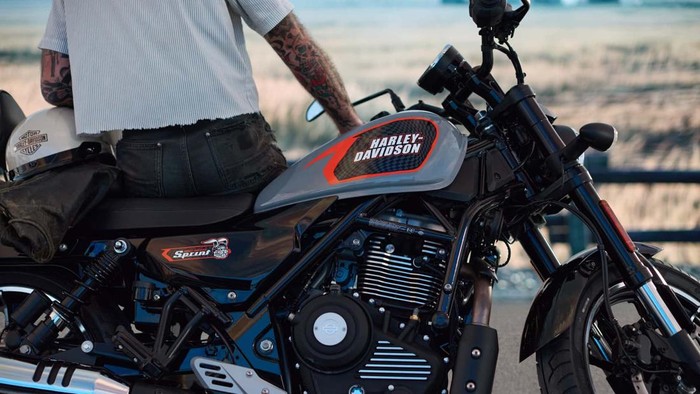
Ride comfort and structural stability are further supported by a robust suspension setup. Up front, the Sprint 440 utilizes stout 43-millimetre upside-down front forks offering 130 millimetres of wheel travel, effectively absorbing surface imperfections and maintaining front-end composure. At the rear, the machine employs dual shock absorbers equipped with a seven-step preload adjustability function, allowing riders to fine-tune the suspension response based on individual preferences or passenger loads.
Braking duties are handled by high-performance disc brakes on both wheels. The front end features a generous 320-millimetre brake disc paired with a dual-piston caliper, while the rear utilizes a 240-millimetre disc with a single-piston caliper. To ensure maximum safety across adverse weather and road conditions, an Anti-lock Braking System (ABS) is included as standard factory equipment. The motorcycle rolls on stylish 10-spoke aluminium alloy wheels, utilizing a 19-inch rim at the front and a 17-inch rim at the rear, wrapped in rubber optimized for consistent grip.
Design Language and Modern Technology Integration
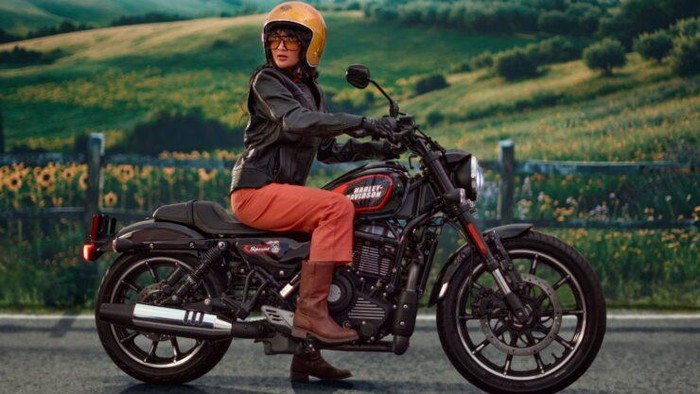
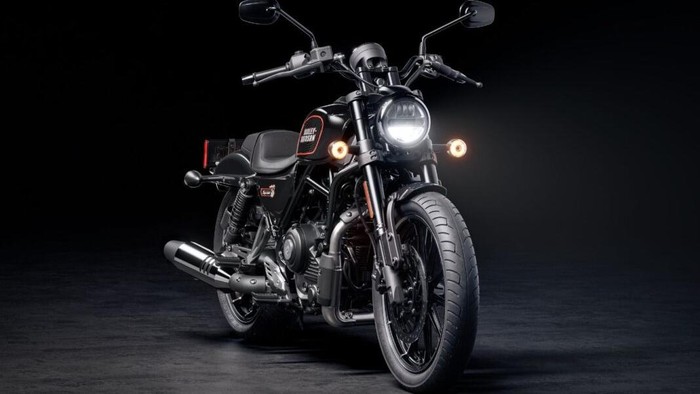
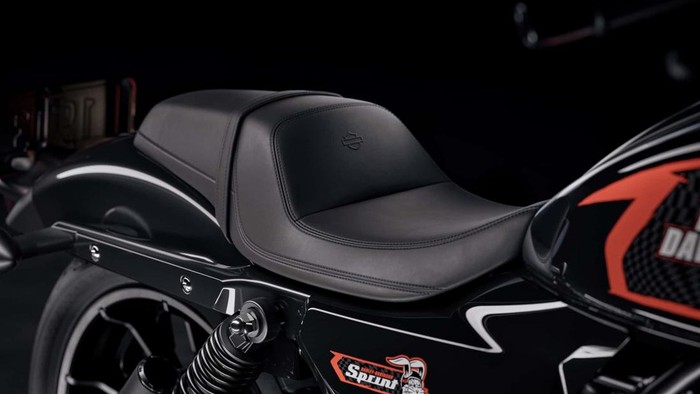
While the Sprint 440 is engineered to meet modern standards of economy and accessibility, it makes no compromises regarding its visual appeal. The design team successfully infused the motorcycle with unmistakable Harley-Davidson DNA. The silhouette is defined by a traditional round headlamp housed in a clean nacelle, flowing seamlessly into a muscular, well-contoured fuel tank. The aesthetic is rounded out by a fastback-styled seat and a short, bobbed rear fender that pays homage to classic custom cruiser culture. To suit diverse consumer tastes, Harley-Davidson will offer the Sprint 440 in three distinct colorways: Dark Billiard Gray, Vivid Black, and Teal Thunder.
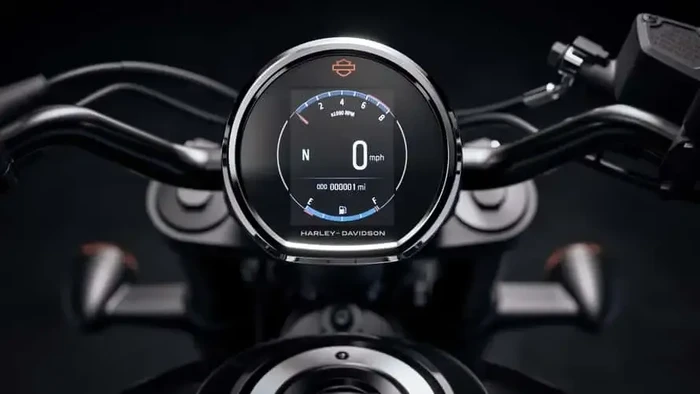
Despite its retro-inspired styling, the motorcycle is thoroughly modern beneath the surface. Illumination is handled entirely by energy-efficient Light Emitting Diodes (LEDs), ensuring optimal visibility during nighttime riding. Cockpit duties are managed by a contemporary 3.5-inch full-color TFT instrument cluster. This vibrant digital display presents essential riding metrics clearly, including current speed, engine rotation speed, total odometer reading, trip meters, and critical system warning indicators. Furthermore, recognizing the connectivity needs of modern riders, Harley-Davidson integrated a convenient USB-C charging port positioned near the upper section of the headlight assembly, allowing operators to easily charge smartphones or navigation devices on the go.
Market Positioning and Economic Implications
The introduction of the Harley-Davidson Sprint 440 carries significant economic and strategic implications for the brand. Automotive industry observers and financial analysts have pointed out that premium motorcycle manufacturers face mounting pressure to diversify their product portfolios as younger generations seek more affordable, versatile, and manageable machines. By positioning the Sprint 440 as an entry-level offering, Harley-Davidson is actively cultivating a new pipeline of brand loyalists.
Pricing strategy will play a critical role in the motorcycle’s market penetration. According to early financial forecasts and automotive reporting originating from major international markets like India, the Sprint 440 is anticipated to enter retail channels as one of the most affordable models bearing the legendary Harley-Davidson badge. For context, existing 440cc displacement products within comparable regional markets generally command price tags hovering around the equivalent of mid-tier domestic motorcycles, translating to highly competitive local valuations. By undercutting traditional heavy cruiser pricing tiers while retaining core brand prestige, the company opens up vast new customer segments.
Conclusion and Future Outlook
The debut of the Harley-Davidson Sprint 440 marks a pivotal milestone in the storied history of the American manufacturer. By bridging the gap between heritage-rich styling and contemporary, accessible engineering, the brand has demonstrated a willingness to adapt to the shifting demands of the global motorcycle landscape. Through its strategic partnership with Hero MotoCorp, the utilization of a torqued and efficient single-cylinder 440cc engine, a remarkably lightweight chassis, and an array of modern digital amenities, the Sprint 440 delivers a compelling value proposition.
As the motorcycle prepares for its official global unveiling at EICMA 2026 in Milan, anticipation continues to build across international dealer networks and enthusiast communities alike. Whether it succeeds in redefining urban mobility for a new generation of riders or simply introduces classic cruiser styling to budget-conscious consumers, the Sprint 440 stands as a clear signal that Harley-Davidson is ready to write an inclusive new chapter in its global journey.