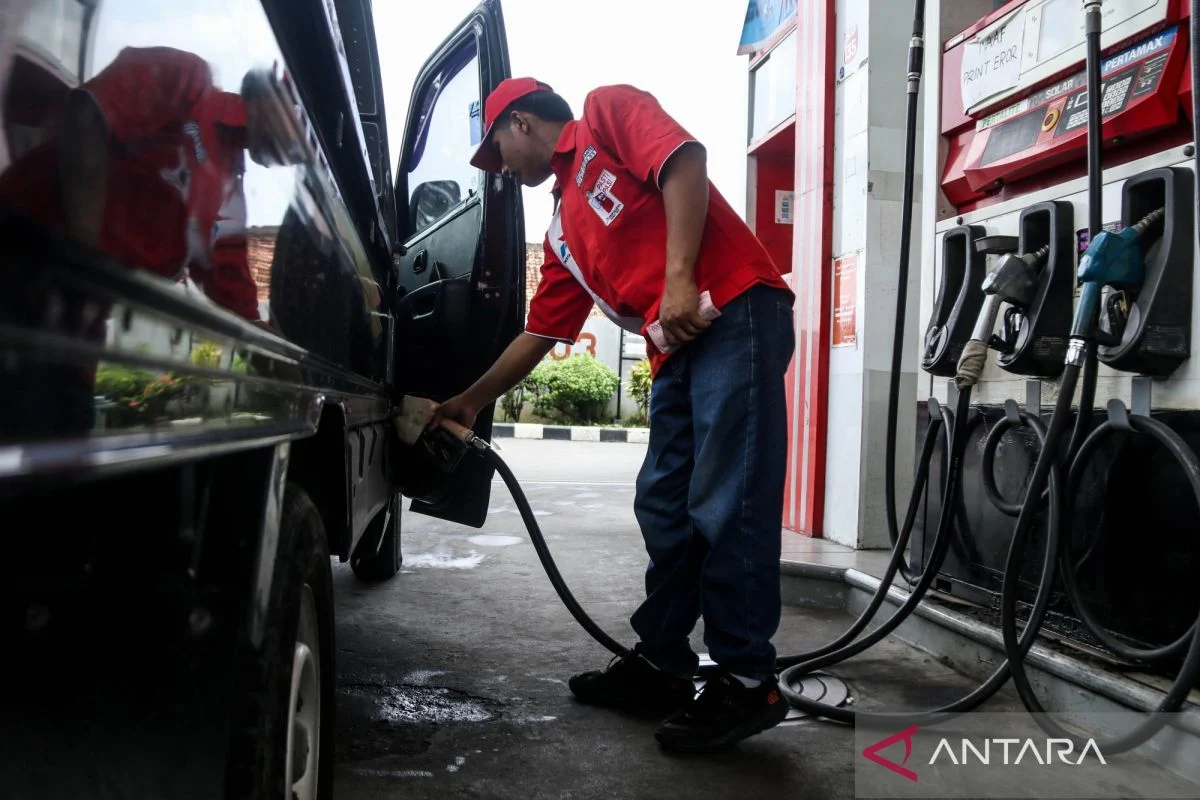
In the landscape of Indonesian automotive fuel consumption, the debate between utilizing Pertamax and Pertalite has become a primary concern for millions of motorists. As the backbone of the nation’s personal transport sector, these two products represent the most accessible options for gasoline-powered vehicles. However, the decision to opt for one over the other is not merely a matter of price point or brand loyalty; it is a technical decision rooted in the fundamental engineering specifications of an internal combustion engine. Understanding the distinction between the Research Octane Number (RON) of these fuels is critical for maintaining engine health, optimizing fuel efficiency, and ensuring the long-term viability of automotive assets in a market that is increasingly shifting toward modern, high-compression engine designs.
The core distinction between Pertamax and Pertalite lies in their respective octane ratings. Pertamax boasts a RON of 92, while Pertalite is rated at RON 90. This numerical difference serves as an indicator of the fuel’s anti-knock quality. In the automotive industry, "knocking" or "pinging" refers to the premature or uncontrolled ignition of the air-fuel mixture within the combustion chamber. When the fuel ignites before the spark plug fires—often caused by excessive pressure and heat—it creates a shockwave that can damage pistons, connecting rods, and spark plugs. By selecting the correct octane rating as specified by the vehicle manufacturer, drivers can effectively mitigate these risks, ensuring that the combustion process remains synchronized with the engine’s mechanical timing.
A Chronology of Fuel Evolution in Indonesia
The shift in fuel consumption patterns in Indonesia has been marked by a transition from lower-grade fuels to more refined options. Historically, the Indonesian government and PT Pertamina have phased out lower-octane fuels, such as Premium (RON 88), in favor of more environmentally friendly and engine-compatible alternatives. This transition began in earnest as urban air quality concerns and modern vehicle standards necessitated cleaner burning fuel.
Throughout the 2010s and into the 2020s, the automotive market saw an influx of vehicles equipped with advanced technologies like direct injection, variable valve timing, and high compression ratios. These engines were specifically calibrated for higher-octane fuels. Consequently, the gradual phasing out of RON 88 was not merely a regulatory move but a necessary response to the evolving technical requirements of the national fleet. The current prominence of Pertalite (RON 90) and Pertamax (RON 92) reflects this middle-ground transition, though industry experts and automotive engineers continue to emphasize the necessity of matching fuel to the specific compression ratio of a vehicle’s engine.
The Science of Octane: Understanding RON and Engine Compatibility
To appreciate why the RON rating matters, one must look at the compression ratio of an engine. The compression ratio is the measure of the volume of the combustion chamber when the piston is at the bottom of its stroke compared to when it is at the top. High-compression engines generate more power and heat, which, in turn, puts greater stress on the fuel.
When a fuel with an insufficient octane rating is used in a high-compression engine, the fuel-air mixture may self-ignite due to the intense pressure before the spark plug can trigger the combustion. This is the definition of knocking. Conversely, using a fuel with an octane rating higher than what the engine requires—for instance, using RON 95 in an engine designed for RON 90—does not necessarily provide additional power. Modern Engine Control Units (ECUs) are designed to adjust ignition timing to prevent knocking, but they have limits. If the fuel is significantly lower in quality than the engine design requires, the ECU may retard the ignition timing, leading to a noticeable drop in power and efficiency.
Supporting Data and Performance Metrics
Statistical analysis of vehicle performance indicates that fuel choice directly impacts thermal efficiency. Research conducted by automotive institutes suggests that when a vehicle is operated with the correct octane fuel, the combustion duration is consistent, resulting in smoother power delivery.
Data regarding fuel consumption often shows that while Pertamax may cost more per liter, it can offer a better "value-per-kilometer" in specific engine types. For instance, in an engine with a compression ratio of 10:1 or higher, the use of RON 92 fuel allows the engine to run at its optimal ignition map. This prevents the ECU from compensating for low-quality fuel, which usually results in poor fuel economy. However, for vehicles with lower compression ratios designed for RON 90, the performance delta between Pertalite and Pertamax is negligible. In such cases, the increased cost of Pertamax does not translate into increased mileage, effectively making it an unnecessary expenditure for the average commuter.
Official Perspectives and Industry Guidelines
PT Pertamina, as the primary distributor, consistently advocates for the use of fuels that align with manufacturer recommendations. The company emphasizes that their fuel products are engineered with specific additive packages. Pertamax, for example, includes cleaning agents designed to prevent the buildup of carbon deposits on intake valves and fuel injectors. These additives serve to maintain the "as-new" condition of the engine’s internal components, potentially extending the interval between major engine overhauls.
Mechanical experts often corroborate this, noting that while fuel choice is not a substitute for regular maintenance, it is a significant factor in preventing premature wear. The consensus among technical consultants is that vehicle owners should consult their owner’s manual before making a permanent switch. If the manufacturer specifies "Minimum RON 92," using anything lower is a risk to long-term engine health. If the manual states "RON 90 or higher," the owner has the flexibility to choose based on their driving habits and budget, acknowledging that higher octane will provide protection against knocking under heavy load or high-temperature conditions.
Broader Implications: Economic and Environmental Impacts
The implications of the Pertamax vs. Pertalite choice extend beyond individual vehicle maintenance. At a macroeconomic level, the shift toward higher-octane fuel aligns with national goals to reduce vehicular emissions. Higher-octane fuels, when used in engines designed for them, typically produce cleaner combustion products, reducing the levels of unburnt hydrocarbons and carbon monoxide released into the atmosphere.
Furthermore, the price volatility of fuels on the international market poses a challenge for consumers. With the price of RON 92 often tracking global oil trends more closely than subsidized fuel, consumers are forced to weigh the immediate cost of fuel against the potential long-term costs of engine repairs. The economic impact is felt most acutely by commercial drivers and ride-hailing services, where fuel costs represent the largest percentage of operating expenses. For these operators, the decision to use Pertamax is often a calculated business move, balancing the potential for better fuel efficiency and lower maintenance frequency against the daily cash flow requirements.
Best Practices for Vehicle Owners
To navigate these choices, motorists should adopt a systematic approach to vehicle care:
- Check the Manual: The owner’s manual is the definitive authority on fuel requirements. It will explicitly state the minimum RON required for optimal performance.
- Monitor Engine Behavior: Drivers should pay attention to their engine’s sound. Persistent "rattling" or "tapping" noises during acceleration, particularly under heavy loads, are classic signs of knocking, suggesting that the current fuel might be insufficient for the engine’s current condition.
- Evaluate Driving Patterns: Drivers who frequently operate in heavy city traffic, engage in "stop-and-go" driving, or carry heavy loads may benefit more from the higher knock resistance of RON 92, even if their vehicle is technically rated for RON 90.
- Routine Maintenance: Regardless of the fuel used, the engine’s health is dependent on regular oil changes, air filter replacements, and spark plug inspections. No fuel, regardless of its octane rating, can compensate for a neglected engine.
- Avoid "Over-Octaning": There is no technical benefit to using premium fuel in an engine specifically designed for low-octane, low-compression operation. Unless the vehicle is modified for high performance, users should avoid the "more expensive is better" fallacy.
Conclusion: A Rational Approach to Fuel Selection
The discourse surrounding Pertamax and Pertalite serves as a vital reminder that the relationship between a machine and its fuel is technical and precise. While the market offers various options, the objective should always be to maximize the synergy between fuel and engine design. By adhering to manufacturer specifications and understanding the underlying science of combustion, Indonesian drivers can ensure that their vehicles remain reliable, efficient, and durable.
In the final analysis, the choice between Pertamax and Pertalite should be dictated by data, not perception. By prioritizing the technical needs of the vehicle, motorists contribute not only to the longevity of their own assets but also to a more efficient and sustainable automotive ecosystem. As the industry continues to evolve, the informed driver remains the best guardian of engine performance, proving that the most effective way to fuel a vehicle is with knowledge as much as it is with petrol.