Socio Today
The global phenomenon of Hallyu, or the Korean Wave, has fundamentally altered the tourism landscape of South Korea over the past decade. Driven by the international success of K-dramas, K-pop, and high-production cinematic exports, the nation has evolved from a regional travel hub into a premier global destination. Data from the Korea Tourism Organization (KTO) indicates that inbound tourism saw a consistent year-on-year increase prior to the global health crisis, with a significant demographic of visitors citing popular media as their primary motivation for travel. This cultural export has not only enhanced the nation’s "soft power" but has also necessitated a sophisticated expansion of tourism infrastructure to accommodate a diverse international clientele seeking to inhabit the real-life settings of their favorite on-screen narratives.
The Economic and Cultural Impact of Media-Driven Tourism
The nexus between entertainment media and tourism in South Korea is not incidental; it is a calculated synergy. The South Korean Ministry of Culture, Sports and Tourism has actively invested in filming location development, transforming sites used for iconic dramas into permanent tourist attractions. For the average traveler, particularly from Southeast Asia, the appeal lies in the ability to bridge the gap between fictional narratives and tangible reality.
Economic analyses suggest that "media-induced tourism" contributes billions of dollars annually to the local economy, spanning hospitality, retail, and transportation sectors. This trend has stabilized local employment in the tourism industry and encouraged the preservation of both modern architectural marvels and historical districts that might otherwise have succumbed to urban redevelopment.
Exploring the Urban Fabric: Geonbae and the Metropolitan Lifestyle
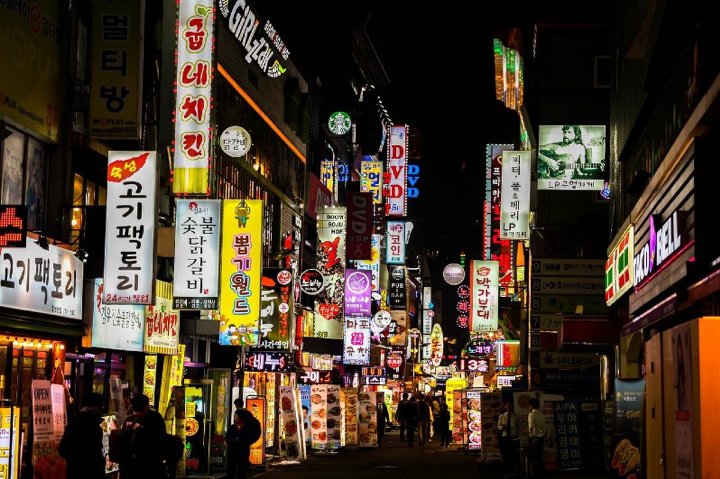
Among the most sought-after experiences for international visitors is the exploration of Seoul’s nightlife and metropolitan identity, epitomized by areas such as Geonbae. Located within the heart of the city, this district serves as a microcosm of South Korea’s contemporary social life. Unlike the historic palaces that represent the Joseon Dynasty, Geonbae offers a window into the fast-paced, high-energy environment often depicted in dramas focusing on urban professional life.

Geonbae is characterized by its high density of pubs, modern eateries, and nightlife venues that cater to both the local youth and the expatriate community. From a sociological perspective, these spaces are critical for understanding South Korean social dynamics, where the concept of "after-work drinking" (hoesik) serves as a vital component of professional and social bonding. For the tourist, the area provides an authentic, unfiltered look at the modern South Korean experience, characterized by vibrant neon signage, a high degree of walkability, and a fusion of traditional social rituals with modern nightlife aesthetics.
Daehakro: The Cultural Heart of Seoul’s Performing Arts
Moving from the commercial nightlife of the metropolis to the intellectual and creative center of the city, Daehakro stands as a testament to the enduring power of live performance. Often compared to Broadway in New York City or the West End in London, Daehakro is a 1.6-kilometer stretch that has served as the epicenter of Korean theater for decades.
Historically, the area was home to Seoul National University’s main campus before its relocation in the 1970s. Following the relocation, the district evolved into a haven for artists, playwrights, and theater troupes. Today, it hosts an eclectic array of venues ranging from small, intimate black-box theaters to larger auditoriums. Statistics from local cultural departments show that over 100 plays and musicals are performed in this district annually, making it one of the most concentrated hubs of theatrical activity in Asia.
For the international visitor, Daehakro offers a unique opportunity to witness the depth of Korean storytelling. While many tourists are familiar with the scripted polish of television dramas, the theater scene in Daehakro offers a more raw, improvisational, and deeply reflective look at Korean society. The area is also known for its street festivals and open-air performances, which further democratize art for the casual pedestrian.
Starfield Library: The Intersection of Design and Public Space
In contrast to the historical charm of traditional districts and the bohemian energy of theater streets, the Starfield Library in the COEX Mall represents the pinnacle of modern architectural innovation. Opened in 2017, this open-space library has quickly become one of the most photographed landmarks in Seoul.
The library features floor-to-ceiling bookshelves that reach a height of 13 meters, housing over 50,000 books and an extensive collection of international periodicals. More than just a repository for information, the Starfield Library functions as a "third space"—a social environment separate from the home and the workplace—that fosters community interaction and quiet contemplation.
The design philosophy behind the library reflects a broader trend in South Korean urban planning: the integration of public utility with aesthetic grandeur. By placing a vast, tranquil library within the middle of a bustling shopping complex, planners have created a symbolic contrast between the frantic pace of modern consumerism and the timeless pursuit of knowledge. This duality has made it a focal point for social media influence, with thousands of visitors daily documenting the library’s interplay of light and scale.
Chronology of Tourism Development and Future Outlook
The trajectory of South Korean tourism has been marked by distinct phases. The early 2000s saw the initial "Hallyu" wave, primarily reaching East Asian neighbors. By the 2010s, with the advent of streaming platforms like Netflix and Viki, the demographic reach expanded globally. This shift required the government to move from a "quantity over quality" approach to a more sustainable model focusing on high-value, niche tourism.
Looking ahead, industry experts anticipate a pivot toward "experience-based" travel. While locations like the Starfield Library or the theater districts of Daehakro will remain essential, there is an increasing demand for personalized tours that focus on specific interests, such as culinary arts, traditional crafts, or high-tech innovation tours.
Broader Implications for Global Travel Trends
The South Korean model of destination marketing offers significant insights for other nations. By leveraging cultural exports, South Korea has successfully created a "brand" that resonates with international audiences long before they set foot in the country. This creates a pre-existing emotional connection, which significantly enhances the overall visitor experience.
However, this reliance on media-driven tourism brings challenges, particularly regarding the sustainability of tourist hubs. Overcrowding in popular districts can lead to the displacement of local residents and the "Disneyfication" of historic areas. Consequently, the Seoul Metropolitan Government has begun implementing measures to disperse tourism traffic to lesser-known districts, encouraging visitors to explore the city’s peripheral neighborhoods, which offer equally rich, though less commercialized, cultural experiences.
Concluding Reflections
For those planning to visit, South Korea offers a spectrum of experiences that cater to a wide array of personal preferences. Whether one is drawn to the high-octane atmosphere of a metropolitan nightlife district like Geonbae, the intellectual and artistic depth of the theater scene in Daehakro, or the architectural splendor of the Starfield Library, the country provides a seamless blend of the ancient and the hyper-modern.
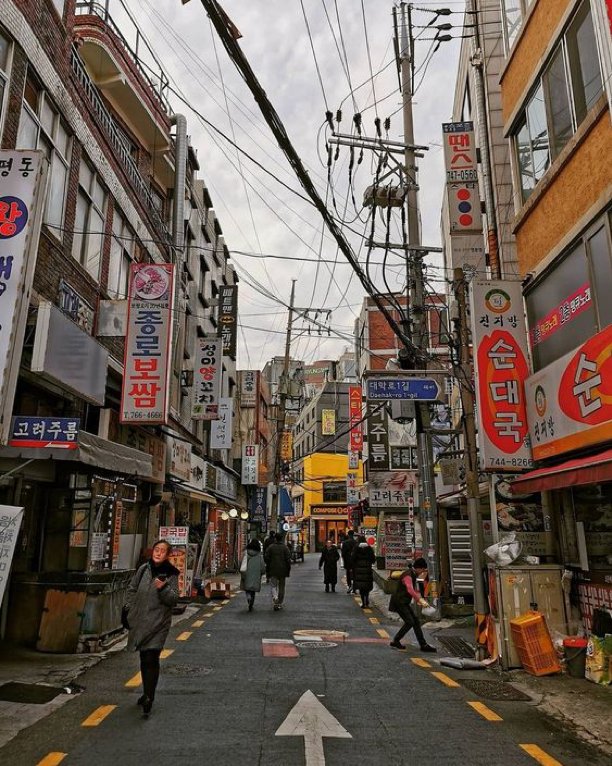
The key to a successful visit lies in moving beyond the curated highlights to engage with the local rhythm of life. Exploring the bustling markets, sampling street food in the alleyways of Myeong-dong, or taking a quiet moment in one of the city’s many public libraries allows for a deeper, more nuanced understanding of the nation. As South Korea continues to refine its tourism strategy, it remains a testament to how a nation can successfully harness its cultural output to invite the world to participate in its ongoing, evolving narrative. With the proper research and an openness to discovery, any traveler can find a personal connection to the vibrant, multifaceted reality of Korea.