Socio Today
The global health and wellness industry continues to witness a sustained surge in the popularity of smoothies, a trend that has firmly taken root in major metropolitan hubs like Jakarta, where consumers are increasingly seeking convenient yet nutrient-dense dietary options. While smoothies are often perceived as a simple blend of fruits and vegetables, culinary experts and nutritionists suggest that the difference between a sugary snack and a high-performance meal replacement lies in the specific choice of ingredients and the sequence in which they are processed. Recent insights shared by BBC Food and disseminated through various health-focused media outlets emphasize that achieving the perfect smoothie—one characterized by a creamy texture and an optimized nutritional profile—requires a disciplined approach to the three core components: liquids, fruits, and thickeners. By moving away from artificial sweeteners and towards whole-food additives like Greek yogurt and frozen produce, individuals can transform their daily beverage into a potent source of vitamins, antioxidants, and essential macronutrients.
The Evolution of the Modern Smoothie
The smoothie has evolved significantly from its origins as a simple fruit puree. In the contemporary health landscape, it serves as a versatile vehicle for delivering a concentrated dose of vitamins, folate, potassium, and antioxidants. These compounds are vital for protecting cellular integrity against the oxidative stress caused by free radicals. In regions like Indonesia, where the consumption of fresh produce is being encouraged to combat lifestyle-related health issues, the homemade smoothie offers a practical solution for meeting daily nutritional requirements. However, the efficacy of a smoothie is contingent upon its composition. Experts warn against the inclusion of processed syrups and added sugars, which can negate the anti-inflammatory benefits of the base ingredients. Instead, the focus has shifted toward "functional" ingredients that provide satiety and sustained energy.
Technical Precision in Preparation: The Order of Ingredients
A common error in home smoothie preparation involves the haphazard loading of the blender carafe. According to technical guidelines released by BBC Food, the order of operations is critical for both the longevity of the appliance and the consistency of the final product. The recommended protocol dictates that liquid components—whether bovine milk or plant-based alternatives like almond, soy, or oat milk—should be poured into the blender first. This "liquid-first" approach creates a vortex that allows the blender blades to catch and pull down solid ingredients more efficiently. Mechanically, this prevents the blades from spinning in an air pocket, a phenomenon known as cavitation, which can lead to motor strain and uneven blending. By establishing a fluid base, the subsequent addition of fruits and proteins results in a smoother, more homogenous emulsion.
The Role of Greek Yogurt as a Nutritional Powerhouse
One of the most significant enhancements to a standard smoothie is the integration of an effective thickening agent. While many recipes historically relied on ice or large quantities of fruit to create body, the modern standard has shifted toward Greek yogurt. This ingredient is lauded not only for its ability to provide a luxurious, velvet-like mouthfeel but also for its superior nutritional density. Greek yogurt undergoes a straining process that removes excess whey, resulting in a product that is significantly higher in protein than traditional yogurt.
Nutritional data suggests that a single serving of Greek yogurt can contain up to double the protein of regular varieties, making it an essential component for those using smoothies as post-workout recovery drinks or meal replacements. Furthermore, Greek yogurt is a rich source of probiotics, which support gut health and immune function. For those seeking alternatives, peanut butter or other nut butters can serve as thickeners, providing healthy monounsaturated fats, though they lack the specific probiotic benefits and lower calorie-to-protein ratio of Greek yogurt.
Optimizing Fruit Selection for Texture and Flavor
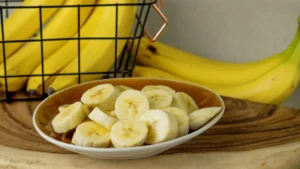
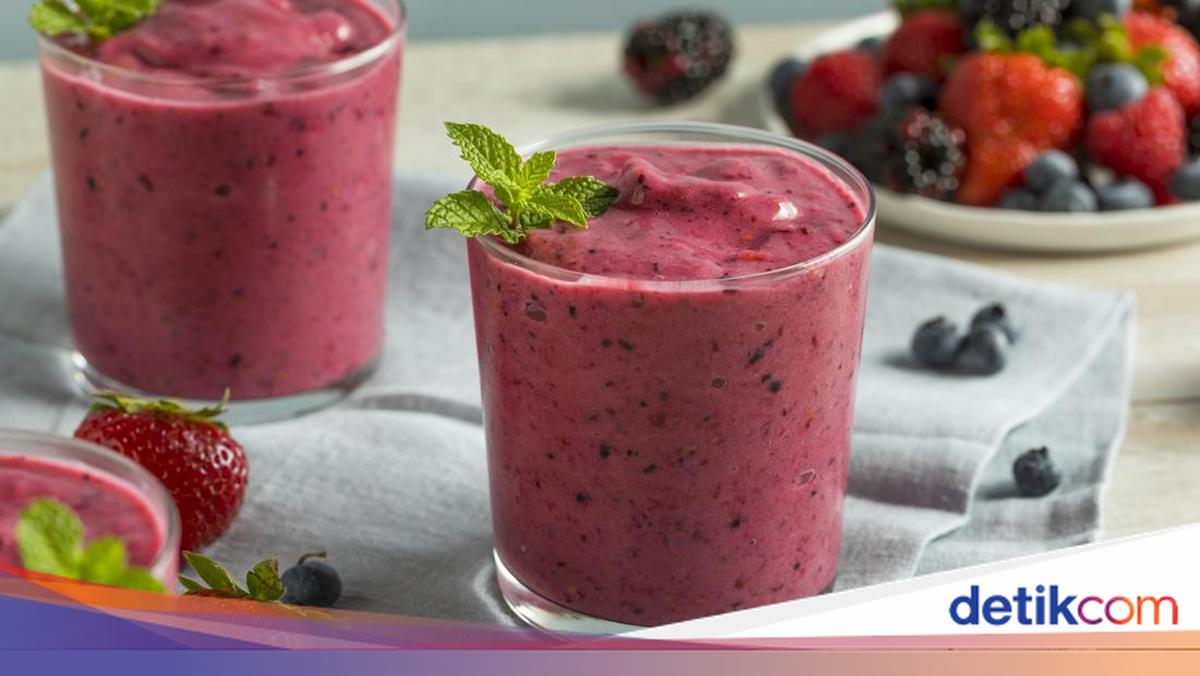
Fruit selection serves as the primary flavor profile and carbohydrate source for most smoothies. Bananas remain the industry standard for achieving a creamy consistency due to their high starch and pectin content. When blended, bananas act as a natural emulsifier, binding the liquid and solid components together. Beyond bananas, a diverse array of fruits can be utilized to target specific health outcomes. Berries, such as blueberries and strawberries, are frequently recommended for their high anthocyanin content, which supports cognitive function and cardiovascular health. Stone fruits like peaches, plums, and nectarines add a delicate sweetness and fiber, while grated apples or pears can introduce a subtle crunch and a boost of Vitamin C. For a more tropical profile and a high water content, melons and mangoes are ideal, though they may require additional thickening agents to maintain a dense texture.
The Strategic Use of Frozen Ingredients
A significant trend in professional smoothie preparation is the substitution of ice with frozen fruit. Experts suggest that home cooks maintain a dedicated supply of frozen produce to enhance both the flavor and temperature of their drinks. Utilizing frozen fruit serves a dual purpose: it provides a chilled temperature without the dilution that occurs when ice melts, and it preserves the integrity of the fruit’s nutrients. Many fruits are "flash-frozen" at the peak of ripeness, often retaining more vitamins than fresh produce that has spent days in transit or on supermarket shelves. This method also allows for a thicker, "spoonable" consistency, which is increasingly popular in the form of smoothie bowls.
Chronology of the Global Smoothie Movement
To understand the current emphasis on smoothie "optimization," it is necessary to look at the timeline of its development:
- 1920s – 1930s: The invention of the electric blender by Stephen Poplawski and later improved by Fred Waring made the liquefaction of fruit possible on a commercial and domestic scale.
- 1960s: The "health food" movement in the United States popularized the term "smoothie," often associated with vegetarianism and macrobiotic diets.
- 1970s: The founding of Smoothie King marked the transition of the smoothie into a mainstream retail product, focusing on "energy" and "wellness" blends.
- 1990s – 2000s: The rise of juice bars and the introduction of "superfoods" like acai and kale transformed smoothies into a multi-billion dollar industry.
- 2010s – Present: The focus has shifted toward home customization, the reduction of sugar, and the use of high-protein additives like Greek yogurt and whey protein, driven by social media trends and a deeper public understanding of glycemic loads.
Supporting Data and Health Implications
The shift toward protein-rich thickeners like Greek yogurt is supported by a growing body of clinical research. High-protein breakfasts have been shown to increase satiety and reduce the secretion of ghrelin, the hormone responsible for hunger. This makes the "optimized smoothie" an effective tool for weight management. Conversely, smoothies that rely solely on fruit juice and high-sugar fruits can cause rapid spikes in blood glucose levels.
Comparative analysis of sweeteners further illustrates the need for caution. While natural options like honey, maple syrup, or agave nectar are preferable to refined white sugar because they contain trace minerals and antioxidants, they remain high in calories. Nutritionists suggest using them sparingly or relying on the natural sweetness of ripe bananas and dates to achieve the desired flavor profile.
Expert Perspectives and Analysis
Dietitians often emphasize that while smoothies are a convenient way to consume nutrients, they should not entirely replace whole fruits and vegetables in their solid form. The blending process breaks down some of the insoluble fiber, which is crucial for digestive health. However, as noted by health analysts, the "smoothie strategy" is an excellent harm-reduction tool for individuals who would otherwise skip breakfast or opt for processed fast food.
The recommendation from BBC Food to include a protein source and a healthy fat (like those found in Greek yogurt or nut butters) is viewed by the medical community as a way to slow the absorption of fructose. This leads to a more stable energy release throughout the day, preventing the "sugar crash" often associated with pure fruit juices.
Broader Implications for the Beverage Industry
The trend toward more sophisticated, home-made smoothies is forcing a shift in the commercial beverage sector. Ready-to-drink (RTD) smoothie brands are increasingly being pressured to remove added sugars and "fillers" from their recipes to compete with the nutritional quality of home-blended drinks. In markets like Jakarta, this has led to a rise in boutique juice bars that offer "cold-pressed" and "custom-blended" options that mirror the techniques used by health enthusiasts at home.
Furthermore, the emphasis on appliance maintenance—such as the "liquid-first" rule—reflects a growing consumer interest in culinary "hardware." High-performance blenders have become a status symbol in modern kitchens, representing a commitment to a health-conscious lifestyle. As consumers become more educated on the science of food processing, the demand for transparency in ingredients and the pursuit of the "perfect" nutritional formula will likely continue to drive innovation in both the food and technology sectors.
In conclusion, the modern smoothie represents a intersection of culinary art and nutritional science. By adhering to the three-component rule, prioritizing high-protein thickeners like Greek yogurt, and utilizing the mechanical advantages of frozen produce and proper loading sequences, individuals can significantly elevate the quality of their dietary intake. As urban populations continue to navigate the challenges of busy lifestyles, the ability to create a nutrient-dense, creamy, and satisfying meal in a single blender jar remains a cornerstone of contemporary wellness.