Temanggung Regency, nestled within Central Java’s fertile volcanic highlands, is widely celebrated for its breathtaking landscapes and thriving agricultural sector. However, beneath the emerald canopy of tobacco fields and terraced hillsides lies a rich, often overlooked repository of classical Indonesian antiquity. Among these silent sentinels of the past is Candi Pringapus, an exquisite Hindu sanctuary situated in the Ngadirejo district. Constructed during the middle of the classical Mataram Kingdom era—roughly concurrent with the iconic temples of the Dieng Plateau and Magelang—this site offers a fascinating glimpse into the architectural and spiritual landscape of 8th- to 9th-century Java. Yet, despite its historical significance, the site tells a poignant tale of structural fragmentation, missing sanctuaries, and the relentless forces of nature that have reshaped Central Java’s archaeological heritage over the centuries.

The architectural enigma of Candi Pringapus becomes apparent upon closer inspection. Visitors approaching the site are routinely struck by its modest yet intricately ornamented proportions. Standard archaeological expectations for Javanese temple complexes often anticipate a prominent central shrine (candi induk) flanked by smaller companion shrines (candi perwara). However, direct communication with resident heritage caretakers reveals a startling reality: the structure standing today is not the primary sanctuary, but rather a surviving perwara, while the main temple has vanished entirely. According to local preservation officers, the principal sanctuary likely succumbed to catastrophic natural events in antiquity, with oral and historical consensus pointing toward explosive eruptions from nearby Mount Sindoro. Consequently, the surviving structure features an interior housing an Arca Nandi—the sacred bull mount of Lord Shiva—rather than the traditional lingga-yoni pairing typically found in a central shrine. Furthermore, the temple’s upper superstructure and roof remain incomplete; restoration efforts stalled because surviving architectural fragments failed to meet the rigorous criteria required for an authentic vertical reconstruction.

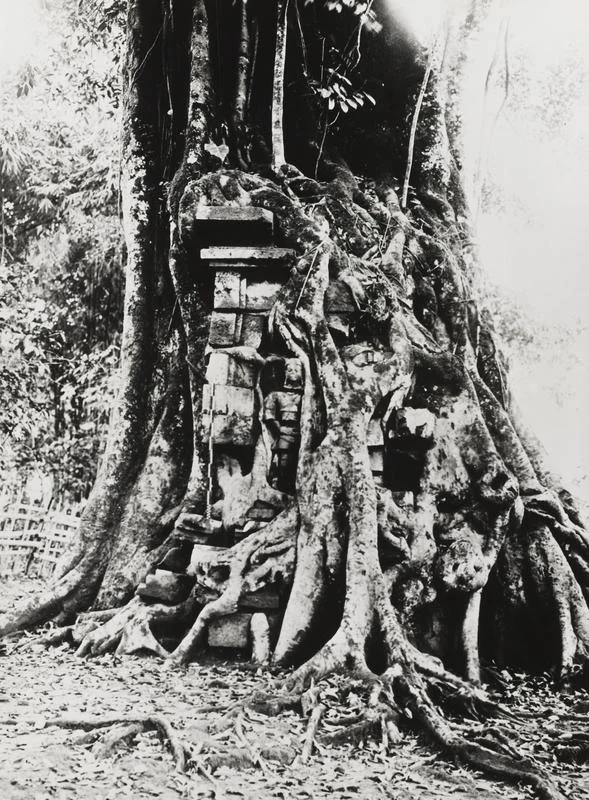
Scattered across the temple grounds are weathered stone blocks and fragmented artifacts that further complicate the site’s historical narrative. Among these is a severely eroded sculpture, initially hypothesized to represent the sage Agastya due to its corpulent midsection. However, closer examination by heritage personnel reveals faint carved contours resembling an elephant’s trunk, suggesting the eroded figure may instead depict Ganesha. This identification remains tentative, as the extreme weathering of the stone obscures definitive iconographic markers. Additionally, the stone rubble surrounding Candi Pringapus does not entirely belong to its original compound. Historical records from the 1929 restoration initiatives indicate that many displaced stones originate from Candi Perot, another ruined sanctuary historically located approximately 200 meters to the west.

The legacy of Candi Perot extends beyond relocated masonry, anchoring a deeper archaeological footprint in the immediate vicinity. Situated down a short slope from the modern roadway, the former site of Candi Perot features an ancient stone-lined pool shaded by ancient trees, which local residents maintain for utilitarian and traditional purposes. Archaeological surveys dating back to the early 20th century—including colonial-era archaeological reports from 1903—describe Candi Perot as a square structure adorned with shallow niches housing various deities, including Durga, Ganesha, and spiritual teachers often cataloged as Agastya or divine sages. Today, the primary visible remnants at the Candi Perot pool site include a large Arca Nandi securely anchored to a paved base to prevent displacement, alongside a mysterious stone block featuring a central basin, reminiscent of a traditional mortar or architectural footing. These artifacts, paired with oral accounts from local children regarding the sacred guardianship of the ancient spring, underscore a continuous cultural relationship between the contemporary rural community and its ancestral landscape.

Beyond individual temple architecture, the geographical corridor encompassing Candi Pringapus and Candi Perot serves as a microcosm of Central Java’s dense historical interconnectedness. Visitors and heritage researchers frequently draw comparisons between the masonry techniques of Pringapus and contemporary structures in Magelang, such as Candi Kalasan and Candi Badut, highlighting a shared stylistic vocabulary rooted in early Mataram artistic traditions. Moreover, the broader Temanggung region houses world-class archaeological milestones, most notably Situs Liyangan. Located a short distance away, Liyangan represents a remarkably preserved ancient village complex buried beneath volcanic ash layers, providing unprecedented insights into the daily life, agricultural systems, and metallurgical industries of ancient Javanese commoners. Historians and local observers emphasize that while monumental stone temples reflect the religious authority of early kingdoms, the true legacy of Temanggung’s ancestors lies in their sophisticated adaptation to a volcanic environment—a legacy mirrored in the terraced agricultural fields that define the modern regional economy. Ultimately, explorations into Candi Pringapus and Candi Perot leave researchers with a complex mosaic of historical questions, proving that beneath Temanggung’s tranquil agrarian surface lies an enduring chronicle of civilization shaped by fire, faith, and time.