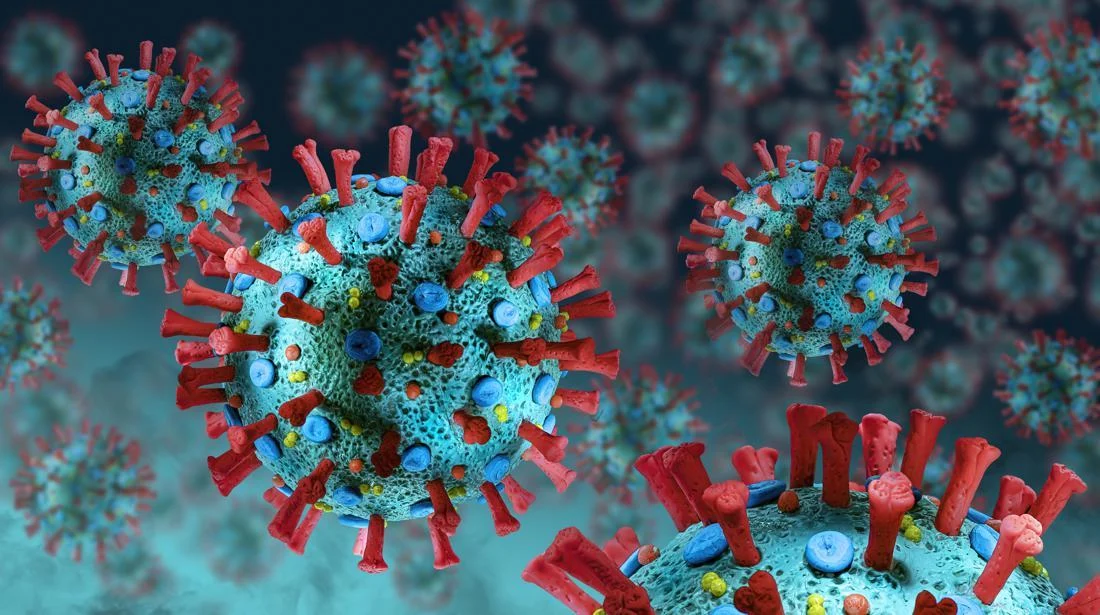
Global public health authorities and scientific communities are closely monitoring the rapid international spread of a newly identified SARS-CoV-2 lineage designated as PJ.2.1. First detected in Ontario, Canada, in May 2026, this novel variant has since crossed borders into the United States, several European nations, Australia, New Zealand, and various parts of Asia. The emergence of PJ.2.1 has reignited discussions regarding the endemic nature of the coronavirus, prompting researchers to analyze its genetic composition, transmission dynamics, and the degree of cross-protection offered by existing population immunity and updated vaccines.
As surveillance systems track the footprint of this lineage, epidemiologists emphasize the necessity of continuous genomic sequencing to understand how newly mutating strains behave in heavily vaccinated populations. Although the variant has captured significant scientific attention, international health bodies have reiterated that baseline public health measures remain essential tools in managing potential localized outbreaks.
Origins and Chronology of the PJ.2.1 Lineage
The trajectory of PJ.2.1 began to take shape through a unique evolutionary pathway. Unlike variants that develop through gradual, incremental point mutations over extended periods, researchers classify PJ.2.1 as a "saltation" variant. This classification denotes a strain that has emerged carrying a large cluster of genetic changes simultaneously.
According to comprehensive virological research published in the Journal of Infection in October 2026 by lead researcher Markus Hoffmann and his colleagues, PJ.2.1 traces its immediate lineage back to MC.10.1.7. This precursor strain itself evolved from the JN.1 lineage that circulated widely up until mid-2025.
The chronological spread of PJ.2.1 has been meticulously documented by public health agencies across multiple continents:
- May 2, 2026: The initial global sample of PJ.2.1 is identified in Ontario, Canada. Following this index case, additional detections are reported in Canadian provinces including Alberta, British Columbia, and New Brunswick.
- June 30, 2026: The United States records its first case of the variant in New York City. Over the subsequent weeks, genomic surveillance confirms its presence across several other states, encompassing California, Arizona, New Jersey, Virginia, North Carolina, Missouri, Oklahoma, Colorado, and Florida.
- Mid-2026 to Late 2026: International detections accumulate steadily. Countries in the Asia-Pacific region, such as Singapore, Australia, and New Zealand, report confirmed cases. Concurrently, European nations—including France and Spain—identify the lineage. Notably, public health investigators in Spain uncover epidemiological evidence pointing toward localized chains of community transmission.
Genomic surveillance data released by Public Health Ontario further highlights the competitive growth of the variant within localized populations. During the four-week surveillance window from September 20 to October 17, 2026, PJ.2.1 accounted for 25.2 percent of all sequenced SARS-CoV-2 samples in the region. This represented a substantial increase from the 16.9 percent recorded during the preceding four-week period, signaling an increasing prevalence relative to co-circulating strains.
Scientific Insights: Receptor Binding Over Immune Evasion
To comprehend the mechanisms driving the transmission of PJ.2.1, virologists have closely examined its spike protein—the primary structural component utilized by the virus to attach to and enter host cells. The spike protein of PJ.2.1 features a dense array of mutations, which initially raised concerns regarding potential immune escape. However, preliminary laboratory findings challenge this assumption, pointing instead to enhanced cellular attachment capabilities.
Experimental analyses indicate that the increased spread of PJ.2.1 is likely attributable to a superior capacity for binding to human angiotensin-converting enzyme 2 (ACE2) receptors, rather than an enhanced ability to evade neutralizing antibodies generated by previous infections or vaccinations. In controlled laboratory assays, PJ.2.1 demonstrated greater resistance to inhibition by ACE2-targeting antibodies compared to several benchmark variants, suggesting a tighter and more efficient interaction with the host cell receptors.
Conversely, laboratory evaluations assessing immune evasion revealed reassuring data regarding vaccine-induced protection. Researchers tested serum samples from individuals who had received COVID-19 vaccines specifically updated to target the LP.8.1 variant. The results showed that these antibodies retained robust cross-neutralizing capacity against PJ.2.1. Specifically, the neutralizing potency of these antibodies against PJ.2.1 was only marginally lower—approximately 1.8-fold—when compared to the target LP.8.1 reference variant.
These findings suggest that while the structural changes in PJ.2.1 optimize its entry into human cells via ACE2 receptors, they do not confer a sweeping advantage in bypassing the humoral immune memory established by contemporary immunization formulations. Nevertheless, scientists urge caution, noting that laboratory models cannot entirely replicate the complex dynamics of human-to-human transmission or predict real-world clinical severity.
Global Health Perspectives and Clinical Implications
The World Health Organization (WHO), citing insights from international epidemiological networks such as NDTV reports, has reiterated that the clinical presentation of COVID-19 increasingly overlaps with other seasonal respiratory illnesses, including influenza and respiratory syncytial virus (RSV). This clinical convergence underscores the reality that diagnoses based strictly on physical symptoms are fundamentally unreliable, reinforcing the ongoing necessity of molecular testing—such as Polymerase Chain Reaction (PCR) and certified antigen tests—to accurately identify circulating pathogens.
Despite the broad geographic distribution and rising proportion of sequenced cases attributed to PJ.2.1, public health authorities emphasize that there is currently insufficient clinical evidence to indicate that this variant induces more severe disease or higher hospitalization rates than its predecessors. Surveillance agencies continue to monitor key epidemiological indicators, including emergency room admissions, intensive care unit occupancy rates, and mortality statistics, to detect any shifts in disease severity.
Broader Public Health Impact and Preparedness
The emergence of lineages like PJ.2.1 highlights the persistent, evolving nature of SARS-CoV-2 as it continues to adapt within human host populations. Public health experts emphasize that the appearance of new genetic variants is an expected evolutionary phenomenon for RNA viruses. The primary objective of global genomic surveillance networks is not merely cataloging new strains, but proactively assessing whether emerging variants alter transmission thresholds, clinical outcomes, or vaccine effectiveness.
For healthcare systems, the ongoing diversification of the virus reinforces the importance of maintaining flexible monitoring infrastructure. Governments and medical institutions are encouraged to sustain routine wastewater surveillance and clinical sequencing programs, which serve as early-warning systems for shifts in community transmission patterns. Furthermore, maintaining high vaccination coverage among vulnerable demographics—including older adults and immunocompromised individuals—remains a cornerstone of pandemic mitigation strategies, ensuring that population-level protection against severe disease remains resilient in the face of ongoing viral evolution.