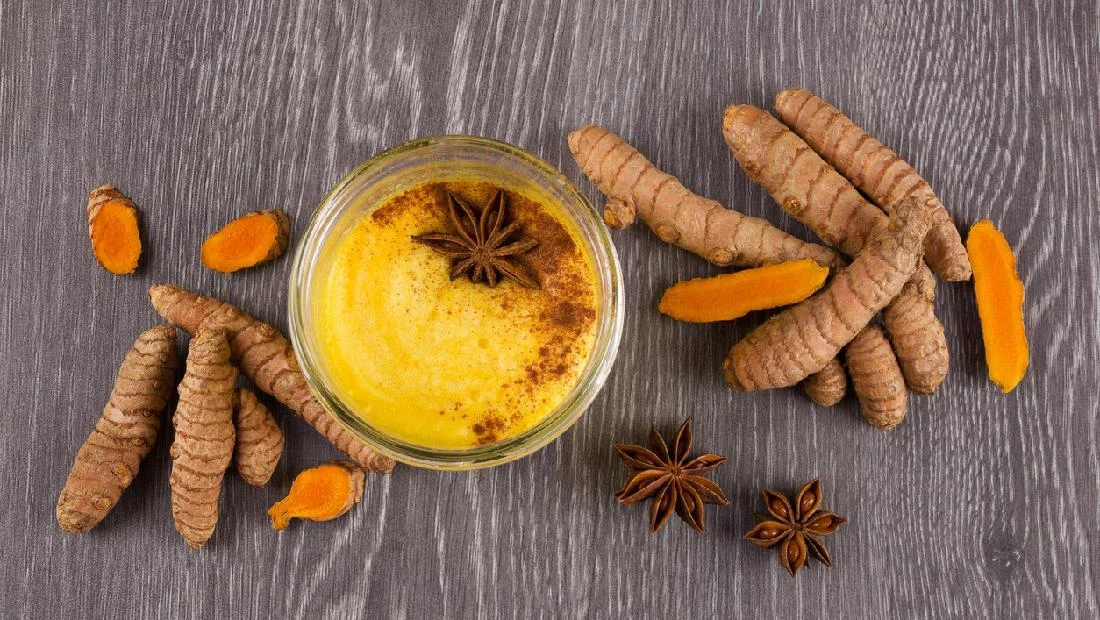
The global health landscape faces an escalating and unprecedented threat from antimicrobial resistance (AMR), a phenomenon wherein bacteria, viruses, fungi, and parasites evolve to withstand the medications designed to eradicate them, rendering standard treatments ineffective and common infections potentially fatal. In the vanguard of the scientific response to this looming crisis, the National Research and Innovation Agency of Indonesia (BRIN) has turned its focus toward the country’s rich biodiversity, specifically investigating the medicinal properties of temulawak, scientifically known as Curcuma xanthorrhiza. Traditionally celebrated for its role in native jamu herbal tonics, this golden-hued rhizome is now being rigorously evaluated as a viable candidate for modern, high-efficacy antibacterial treatments capable of tackling multidrug-resistant pathogens.
The urgency of this research cannot be overstated. According to health authorities and global organizations, antimicrobial resistance stands as one of the top ten public health threats facing humanity today. Without significant intervention, routine medical procedures, minor injuries, and bacterial infections could once again become major killers. Recognizing both the gravity of the challenge and the vast pharmacological potential held within Indonesia’s flora, researchers at BRIN are aiming to bridge traditional indigenous knowledge with cutting-edge pharmaceutical science, transforming a household herbal remedy into a sophisticated, scientifically validated weapon against modern medicine’s most stubborn adversaries.
Unlocking the Antibacterial Properties of Curcuma Xanthorrhiza
At the heart of BRIN’s investigation is a concerted effort to isolate, understand, and enhance the bioactive compounds found within temulawak. Speaking on the progress of these initiatives, Abdi Wira Septama, a Principal Expert Researcher at BRIN’s Research Center for Raw Materials and Traditional Medicines (PRBBOOT), shed light on the initial findings that have propelled the research forward. Comprehensive screening processes conducted during preliminary phases of the study have yielded highly promising results, demonstrating that both the essential oils and specialized extracts derived from the rhizome possess substantial antibacterial capabilities.
"Based on the screening results of previous research, temulawak oil and extracts show significant potential as antibacterial agents," stated Abdi. More importantly, subsequent laboratory testing has revealed that these botanical preparations do not merely target standard bacterial strains; they also exhibit a pronounced capacity to inhibit the proliferation of bacterial populations that have developed robust resistance to conventional pharmaceutical antibiotics.
This discovery marks a crucial milestone in pharmacognosy. While traditional medicine has long attributed healing and anti-inflammatory properties to temulawak, empirical validation against antibiotic-resistant strains provides the necessary scientific foundation for its advancement into modern clinical applications. The primary active constituents—predominantly xanthorrhizol and various curcuminoids—demonstrate mechanisms of action that disrupt bacterial cell membranes and interfere with vital metabolic processes, offering a multi-faceted attack strategy that reduces the likelihood of bacteria developing further resistance.
Overcoming Biochemical Obstacles Through Advanced Nanotechnology
Despite the profound therapeutic potential harbored within temulawak, translating raw natural products into modern, standardized medical treatments is fraught with scientific hurdles. One of the most persistent challenges in botanical drug development is poor aqueous solubility. Natural extracts and essential oils derived from plants like Curcuma xanthorrhiza frequently exhibit extremely low solubility in water, which severely limits their bioavailability—the rate and extent to which the active compounds enter systemic circulation and reach the targeted site of infection in the human body. When a drug possesses low bioavailability, its therapeutic efficacy is compromised, requiring impractically large doses that can introduce unwanted side effects.
To surmount this biochemical barrier, the research team at BRIN has integrated state-of-the-art pharmaceutical engineering into their methodology, specifically employing advanced nanotechnological delivery systems. By formulating the temulawak extracts using nano-transfersome and nanoliposome technologies, the researchers have effectively engineered microscopic carriers designed to encapsulate the active botanical compounds, thereby protecting them from degradation and vastly improving their solubility and absorption rates.
"This technology aims to improve the solubility and bioavailability of temulawak oil and extracts. Consequently, the active ingredients have the potential to provide better antibacterial activity compared to their conventional forms," Abdi explained.
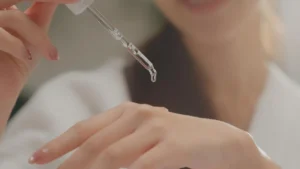
These sophisticated delivery vehicles are meticulously designed for topical application, manifesting primarily as specialized gels and liquid nano-emulsions tailored for dermatological use. The minute scale of the nano-carriers allows the active compounds of temulawak to penetrate deeply and rapidly through the stratum corneum and skin cell membranes—a feat that crude, unformulated botanical extracts simply cannot achieve. This enhanced transdermal delivery ensures a sustained and concentrated therapeutic presence at the site of infection or inflammation.
Collaborative Frameworks and Diversified Applications
Scientific innovation of this magnitude rarely occurs in isolation. Recognizing the multifaceted nature of drug formulation, pharmacology, and clinical translation, BRIN has forged strategic academic partnerships to accelerate the development pipeline. The ongoing research involving temulawak’s nano-formulations is being conducted in close collaboration with the Faculty of Pharmacy at the University of North Sumatra (USU) and the Pharmacy Study Program at the Universitas Pembangunan Nasional Veteran Jakarta (UPNVJ). This synergistic alliance pools multidisciplinary expertise, combining BRIN’s advanced research infrastructure with the academic rigor and specialized laboratory capabilities of these esteemed higher education institutions.
The scope of this research extends far beyond the confines of clinical anti-infective medications. While the primary medical objective remains the creation of advanced treatments for resistant bacterial infections, the unique properties of nano-formulated temulawak have opened lucrative avenues within the cosmetic and dermatology sectors. Acne vulgaris, a widespread dermatological condition largely driven by the proliferation of the bacterium Cutibacterium acnes, presents an ideal target for topically applied antibacterial agents.
"The utilization opens up opportunities to be applied in cosmetic products, for example, for acne skin care that involves antibacterial mechanisms," Abdi noted.
By integrating temulawak into skincare formulations designed to combat acne, the project leverages the herb’s natural antibacterial and anti-inflammatory properties. This dual applicability—spanning both serious pharmaceutical interventions and high-value consumer cosmetics—greatly enhances the commercial viability of the research, increasing the likelihood of successful technology transfer to industrial partners who can scale production for the broader market.
Broader Implications for National Health Security and Independence
Beyond the immediate laboratory results and commercial potentials, BRIN’s ongoing investigation into temulawak carries profound strategic implications for Indonesia’s national health security and economic independence. Historically, the Indonesian pharmaceutical sector has remained heavily dependent on the importation of active pharmaceutical ingredients (APIs), leaving the domestic healthcare system vulnerable to global supply chain disruptions, geopolitical tensions, and currency fluctuations.
By systematically researching, validating, and optimizing indigenous medicinal plants through advanced technologies like nanomedicine, Indonesia can systematically reduce its reliance on foreign raw materials. The nation possesses an extraordinarily rich megabiodiversity, yet much of this natural wealth remains underutilized in terms of evidence-based, modern medical applications. Initiatives that elevate traditional herbal knowledge—such as jamu components—to the standards of modern pharmacology represent a paradigm shift in how the country approaches healthcare self-sufficiency.
Furthermore, addressing antimicrobial resistance through local natural resources aligns with global health directives emphasizing diversified approaches to drug discovery. As pharmaceutical giants increasingly struggle to discover novel antibiotic classes using traditional high-throughput screening of synthetic chemical libraries, the complex chemical scaffolds produced by medicinal plants offer a promising, largely untapped reservoir of structural diversity.
Looking toward the future, the successful progression of BRIN’s temulawak research could serve as a blueprint for future botanical drug developments in Indonesia. The integration of nanotechnology not only revitalizes traditional pharmacopeia but also sets a new benchmark for scientific methodology within national research institutions. As these formulations move closer to clinical trials and eventual commercialization, they embody a harmonious convergence of ancestral wisdom and futuristic science—offering renewed hope in the global battle against drug-resistant pathogens while fortifying Indonesia’s position as a leader in innovative tropical medicine research.