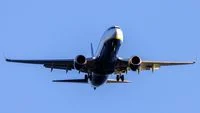
Aviation safety experts and legal authorities are increasingly scrutinizing passenger behavior standards following a severe onboard disruption that forced the diversion of a transatlantic TUI Airways flight. Sarah Parker, a 30-year-old resident of Halifax, is facing potential imprisonment after her actions aboard a July 24, 2025, service from Birmingham, United Kingdom, to Florida, United States, compromised flight operations. The incident, which involved severe intoxication, public indecency, and direct defiance of crew commands, has renewed global discussions regarding airline security protocols, the economic repercussions of flight diversions, and the legal frameworks governing unruly passengers.
The gravity of the case led the Manchester Magistrates Court to escalate the proceedings to the Crown Court, determining that its sentencing powers were insufficient given the magnitude of the disruption. As Parker awaits her sentencing hearing at the Manchester Minshull Street Crown Court, the aviation industry continues to grapple with the multifaceted impacts of passenger misconduct on safety, financial stability, and operational efficiency.
Chronology of the Incident: From Takeoff to Manchester Diversion
The sequence of events unfolded rapidly shortly after the TUI Airways aircraft departed from Birmingham Airport on July 24, 2025, bound for a routine holiday destination in Florida. According to flight logs and witness testimonies submitted to the court, the disruption began during a critical phase of the flight when adherence to safety protocols is paramount.
Shortly after the aircraft commenced its takeoff roll and transitioned into the initial climb, the flight deck illuminated the seatbelt signs and issued explicit safety instructions requiring all passengers to remain seated. Despite these clear commands, Parker left her assigned seat, initiating the first breach of aviation regulations. Moving into the cabin aisle while the aircraft was still ascending, Parker disregarded verbal interventions from cabin crew members who directed her to return to her seat.
Escalating the situation further, Parker bypassed a direct order from the pilot-in-command and proceeded toward the aft section of the aircraft. Ignoring both crew warnings and standard civil aviation regulations, she attempted to access the aircraft lavatory during a prohibited phase of flight. When cabin personnel attempted to intervene and guide her back to her seat, Parker’s behavior deteriorated significantly. In full view of fellow passengers, including families and children, she lowered both her shorts and undergarments in the main cabin aisle, engaging in an act of public indecency.
Faced with a rapidly escalating security threat that compromised the safety of the cabin environment, the flight crew made the operational decision to abort the planned transatlantic route. The captain elected to divert the aircraft back toward the United Kingdom, specifically heading for Manchester Airport, to offload the disruptive passenger safely. The aircraft landed under priority conditions, where local law enforcement officers were waiting on the tarmac to take Parker into custody.
Legal Proceedings and Confession of Guilt
Following her arrest at Manchester Airport, Parker was formally charged with multiple offenses under international and domestic aviation laws. During subsequent court hearings, Parker entered guilty pleas to three primary charges: performing an outraging public decency act, entering an aircraft while heavily intoxicated, and failing to obey the lawful commands of the aircraft pilot.
The case was initially brought before the Manchester Magistrates Court. However, during the preliminary hearings, the presiding magistrates determined that the nature and severity of Parker’s offenses exceeded their sentencing jurisdiction. Under UK legislation, offenses committed aboard aircraft that severely jeopardize safety, operational integrity, and public order can carry substantial custodial sentences. Consequently, the magistrates formally declined jurisdiction and transferred the case to the higher judicial authority of the Crown Court.
Parker is scheduled to appear at the Manchester Minshull Street Crown Court for her sentencing hearing. Legal analysts note that while her early guilty plea may serve as a mitigating factor, the combination of intoxication, public indecency, and direct disobedience of flight crew orders during a high-altitude flight places her at high risk of a custodial sentence. The exact duration of imprisonment will be determined by the judge presiding over the Crown Court session, taking into account sentencing guidelines for aviation-related offenses.
Financial and Operational Toll on the Airline
The decision to divert a commercial long-haul flight carries profound financial and logistical implications for the operating carrier. In the case of TUI Airways, the diversion from a Birmingham-to-Florida routing back to Manchester resulted in substantial financial losses, estimated at approximately 20,000 British pounds (equivalent to roughly 486,000 Indonesian rupiahs, or nearly $26,000 USD).
These costs are calculated based on a variety of operational expenditures necessitated by unscheduled diversions. Key financial factors include:
- Fuel Burn and Weight Management: Large commercial aircraft heavily loaded with fuel for transatlantic journeys often exceed maximum landing weights upon immediate return. This may require the aircraft to burn off fuel in holding patterns or incur additional structural safety inspections upon landing.
- Airport and Handling Fees: Unscheduled landings incur emergency handling fees, landing charges, gate allocation costs, and parking fees at the diversion airport, which were not factored into the original flight plan.
- Crew Duty Time Limitations: Aviation regulations strictly limit the consecutive hours flight crews can work. A diversion often causes crews to exceed their maximum allowable duty time, forcing the airline to source, accommodate, and pay for replacement personnel, hotel stays, and transportation.
- Passenger Compensation and Rebooking: Diverting a flight disrupts travel itineraries for hundreds of other blameless passengers. The airline is frequently required to provide hotel accommodations, meal vouchers, ground transportation, and rescheduled flights, alongside potential statutory compensation claims for long delays.
The Broader Context of In-Flight Misconduct
Parker’s case highlights a persistent and growing challenge within the global commercial aviation sector: the rise of unruly passenger incidents. Industry associations, including the International Air Transport Association (IATA) and the Civil Aviation Authority (CAA), have documented a steady increase in disruptive behavior reports since the post-pandemic resurgence of global travel.
A significant proportion of these incidents are directly linked to the consumption of alcohol—either purchased duty-free, consumed prior to boarding, or illicitly brought onboard. While airlines maintain strict policies prohibiting the consumption of alcohol not served by cabin crew, enforcement relies heavily on passenger compliance and crew vigilance. Intoxication impairs cognitive function, diminishes impulse control, and frequently leads to conflicts with flight attendants who are trained to enforce safety regulations.
When passengers refuse to obey crew instructions, the consequences extend far beyond mere inconvenience. Flight crew members are safety professionals whose primary responsibility is the management of emergency procedures, cabin evacuation, and flight deck security. When crew members are forced to spend critical time managing unruly or intoxicated individuals, their attention is diverted away from essential safety monitoring duties.
Industry Responses and Legal Deterrence
In response to the growing frequency of disruptive incidents, regulatory bodies and airlines worldwide have adopted a zero-tolerance approach toward in-flight misconduct. Legal frameworks in the United Kingdom, the United States, and international jurisdictions empower prosecutors to seek severe penalties for individuals whose actions endanger aircraft safety.
Under various national laws, endangering the safety of an aircraft is a serious criminal offense that can carry multi-year prison sentences. Beyond criminal prosecution, airlines are increasingly utilizing civil recovery programs to sue disruptive passengers directly for the financial losses incurred through diversions. This dual-pronged legal strategy aims to deter potential offenders by demonstrating that in-flight misconduct carries immediate, severe legal and financial consequences.
Aviation security advocates emphasize that public awareness campaigns and stringent airport screening protocols must be complemented by responsible alcohol service practices both in airport terminals and onboard aircraft. Many major international airports and airline groups have initiated collaborative discussions with hospitality vendors operating within terminal buildings to curb excessive pre-flight drinking.
Implications of the Parker Verdict
As the legal process surrounding Sarah Parker nears its conclusion at the Manchester Minshull Street Crown Court, legal and aviation communities will closely monitor the final sentencing decision. The outcome is expected to serve as a bellwether for how judicial systems treat severe breaches of discipline in the skies, reinforcing the principle that commercial aircraft are regulated spaces where public order and safety standards are absolute.
The case stands as a stark reminder of the intersection between personal responsibility, strict aviation law, and the collective safety of the traveling public. For TUI Airways and the broader civil aviation industry, the incident underscores the ongoing necessity for rigorous enforcement, comprehensive crew training, and unyielding legal accountability to deter behavior that compromises the safety of international air travel.