Socio Today
The landscape of urban mobility in Southeast Asia’s largest automotive market has undergone a significant transformation following the strategic introduction of the Yamaha NMAX TURBO. Maintaining its foundational identity as a flagship MAXi scooter, this latest iteration elevates the segment by integrating cutting-edge transmission technology, enhanced ergonomic design, and a tiered pricing strategy aimed at discerning urban commuters. As congestion in metropolitan centers like Jakarta intensifies, vehicle manufacturers are increasingly pressured to balance high-performance engineering with absolute daily usability. Yamaha’s response to this market demand is a comprehensive vehicle redesign that bridges the gap between luxury touring and aggressive city commuting, while simultaneously capturing the cultural zeitgeist of modern digital communities.
Evolution of a Flagship: The MAXi Scooter Identity
Since its initial market introduction, the Yamaha NMAX series has cultivated a distinct reputation as a benchmark for premium daily transportation. Characterized by a commanding physical presence, substantial body dimensions, and a distinctively muscular stance, the vehicle transcended its utilitarian purpose to become a lifestyle statement. According to corporate statements released by Yamaha Indonesia Motor Manufacturing (YIMM), the design philosophy centers on merging high-class aesthetics with practical engineering.
This philosophy is prominently displayed in the upper-tier variants, notably the TECH MAX lineup. These models incorporate sophisticated technological upgrades, including high-resolution TFT instrument displays, seamless smartphone connectivity, integrated navigation systems, and advanced electronic rider aids. By refusing to compromise on luxury while delivering robust utility, Yamaha has successfully positioned the MAXi family as an aspirational yet practical choice for millions of daily commuters navigating challenging urban topographies.
Ergonomic Mastery for Daily Commuting and Long-Distance Touring
Navigating the dense traffic of Jakarta presents unique challenges for motorcyclists, ranging from low-speed gridlock during morning rush hours to extended cross-city journeys on weekends. In response to these demanding usage patterns, engineering teams prioritized rider comfort alongside mechanical performance.
The NMAX architecture preserves a deeply relaxed riding posture, supported by an expansive footboard area that permits multiple foot placements. This ergonomic flexibility is critical for mitigating physical fatigue during prolonged hours in the saddle. Furthermore, the inclusion of a generously proportioned seat and an enlarged under-seat storage compartment addresses the practical storage needs of modern urban professionals. Whether deployed as a daily commuter through narrow urban alleys or as a touring machine on interstate highways, the vehicle’s structural layout is optimized to reduce musculoskeletal strain over extended operational periods.
Dissecting the "TURBO" Moniker and YECVT Innovation
The defining mechanical advancement of the latest generation NMAX is the implementation of the Yamaha Electric Continuously Variable Transmission (YECVT). Contrary to what the colloquial use of the word "turbo" might suggest, the system does not utilize a traditional exhaust-driven turbocharger common in high-performance automobiles. Instead, the "TURBO" designation serves as a marketing metaphor for the instantaneous, exhilarating acceleration delivered by the electronically controlled transmission system.
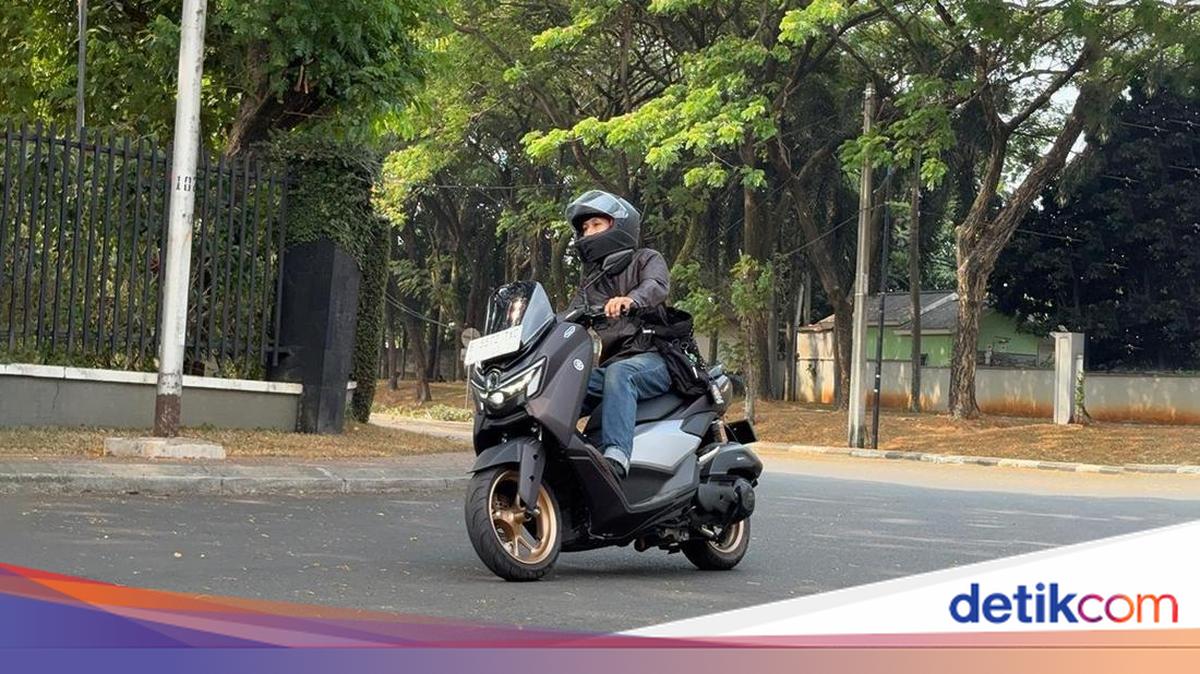
Traditional mechanical CVT systems rely on centrifugal force and roller weights to adjust gear ratios passively. In contrast, the YECVT utilizes an electric actuator controlled by a dedicated Engine Control Unit (ECU). This electronic oversight permits precise, instantaneous manipulation of the transmission pulley ratios. Riders are equipped with two distinct riding modes: T-Mode (Town Commuting), which delivers a smooth, linear power delivery suitable for congested stop-and-go traffic; and S-Mode (Sport Touring), which provides a much more aggressive throttle response and heightened engine braking characteristics.
Additionally, the introduction of the Y-Shift feature grants riders manual control over three distinct levels of acceleration and deceleration. This functionality proves particularly advantageous when overtaking slower traffic on multi-lane highways or when managing engine braking during descents and sharp cornering maneuvers. Consequently, the technology redefines how engine output is modulated, offering a dynamic riding experience that adapts seamlessly to changing road conditions without requiring manual clutch operation.
Market Positioning and Tiered Pricing Strategy
As a premium offering within the automatic scooter category, pricing remains a pivotal factor for prospective buyers. Yamaha Indonesia has established a competitive tiered pricing structure based on recommended On-The-Road (OTR) rates for the Jakarta region.
The baseline NMAX TURBO enters the market at an accessible price point of Rp39.465.000 OTR Jakarta. For consumers seeking enhanced aesthetics and advanced technological integrations, the higher-tier variants command a premium. The NMAX TURBO TECH MAX is retailed at Rp44.965.000, while the exclusive TECH MAX Special Livery variant is priced at Rp45.365.000. At the apex of the lineup stands the TECH MAX Ultimate, commanding Rp46.945.000 OTR Jakarta. These prices remain subject to regional taxation policies and dealership-specific logistics costs, allowing consumers to select a variant that precisely aligns with their technological preferences and budgetary constraints.
Digital Virality and the Cultural Footprint in Urban Society
Beyond specifications, physical dimensions, and mechanical telemetry, the Yamaha NMAX TURBO has achieved a notable footprint within contemporary digital culture. The vehicle routinely features in organic content across major social media platforms, including Instagram reels, TikTok trends, and viral commentary propagated by prominent community accounts.
Rather than focusing exclusively on technical horsepower figures or torque curves, online discussions frequently embed the scooter within relatable, everyday urban narratives. This organic digital engagement underscores a broader shift in automotive marketing: product awareness is no longer driven solely by corporate advertising, but by peer-to-peer validation, short-form video content, and micro-influencer culture.
The convergence of advanced engineering, striking visual design, and pervasive social media visibility cements the NMAX not merely as a piece of industrial machinery, but as a cultural artifact of modern Indonesian urbanism. As these digital conversations bridge the gap between physical asphalt and digital feeds, Yamaha continues to dictate the terms of engagement in the country’s highly competitive two-wheeler market, proving that the future of mobility lies at the intersection of mechanical excellence and cultural relevance.