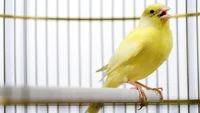
The simple act of watching a bird perch on a branch or soar across the sky is frequently perceived as a passive, leisurely pastime. For centuries, observing avian wildlife has been categorized merely as an outdoor hobby, a tranquil escape from the relentless pace of modern urban life. However, a growing body of neurological research and psychological studies suggests that this unassuming activity packs a profound cognitive punch. Far from being just a relaxing way to pass the time, birdwatching—commonly referred to as birding—engages complex neural networks, sharpens visual processing, enhances attention spans, and may even serve as a powerful therapeutic tool against cognitive decline and dementia in older adults.
In recent years, neuroscientists and psychologists have turned their attention toward the intersection of nature observation and brain health. What they are discovering challenges conventional assumptions about how cognitive skills are maintained and how environmental enrichment can alter neurological structures well into old age. From brain imaging scans of seasoned ornithologists to targeted interventions in nursing homes across the globe, the evidence is mounting: paying attention to birds is remarkably good for the human brain.
Neural Connectivity and the Expert Brain
To understand how birdwatching impacts the brain, researchers have examined the neurological profiles of individuals who have spent years honing their identification skills. A landmark study published in The Journal of Neuroscience utilized magnetic resonance imaging (MRI) to scan the brains of participants who were tasked with identifying a wide array of bird species. The findings revealed a distinct neurological signature among experienced birdwatchers.
The brain scans showed unique patterns of connectivity within specific neural regions responsible for focused attention, complex visual perception, and advanced object recognition. These structural differences became even more pronounced when participants were confronted with unfamiliar bird species that they had never encountered before. This phenomenon underscores that long-term engagement in birdwatching fundamentally alters how the human brain processes complex visual data and directs focused attention.
Furthermore, neuroscientists hypothesize that the cognitive rigor required to master bird identification may contribute to the preservation of neural network organization as individuals age. The intricate mental labor of processing minute visual details—such as distinguishing between subtle variations in feather patterns, bill shapes, and body proportions—acts as a form of mental cross-training. By acquiring and practicing such specialized skills early in life, individuals may build a cognitive reserve that provides enduring protective benefits well into their senior years.
Therapeutic Interventions in Geriatric Care
While the neurological benefits for experienced birders are compelling, the positive impacts of observing birds are not limited to lifelong enthusiasts. Clinical trials and therapeutic programs involving elderly populations have demonstrated remarkable outcomes in institutionalized settings.
A notable project in Germany, spearheaded by a professor of psychology at the Catholic University of Eichstätt-Ingolstadt and highlighted by the BBC, sought to test the psychological and cognitive effects of introducing avian wildlife to nursing home residents. Researchers strategically installed bird feeders outside the communal areas of a residential care facility, ensuring that the arriving birds were easily visible to the elderly inhabitants from their shared indoor spaces.
The intervention yielded striking results within a remarkably short timeframe. After just three to four weeks of regular bird observation, residents exhibited measurable improvements in memory retention and concentration metrics. Nursing home staff documented notable positive shifts in the daily behaviors of the participants. The seniors demonstrated an enhanced ability to follow conversations, successfully recognized recurring avian visitors, and displayed a greater willingness to engage in social interactions with visiting family members.
The emotional dividends were equally profound. Caregivers reported witnessing genuine smiles on the faces of residents who had previously exhibited flat affect and rarely displayed outward emotional expressions. This low-cost, non-pharmacological intervention highlighted how environmental enrichment through wildlife observation can stimulate cognitive engagement and emotional well-being in aging populations.
Global Applications in Dementia Care
Building upon the success of localized trials, structured birdwatching programs have been formally integrated into dementia care protocols across several Western nations. The therapeutic potential of these initiatives lies in their ability to stimulate multiple sensory and cognitive pathways simultaneously without overwhelming the participant.
In the United States, a specialized dementia care initiative known as "Bird Tales" was launched in 2013. Initially implemented across four specialized care communities in Connecticut, the program experienced rapid expansion due to its success, eventually being adopted in healthcare facilities throughout Texas and Colorado. Bird Tales utilizes high-definition audio-visual materials, tactile objects like feathers and nests, and guided observation sessions to stimulate memories and foster communication among individuals living with cognitive impairments.
Concurrently, international non-profit organizations have institutionalized similar frameworks. In the United Kingdom, Age UK—a prominent charity supporting the elderly—organizes weekly birdwatching groups at natural reserves such as Forge Mill Lake in the West Midlands. These organized excursions provide structured opportunities for seniors to gather outdoors, share observations, and exercise their cognitive faculties in a supportive social environment.
The Cognitive Mechanics of Birding
The efficacy of birdwatching as a cognitive exercise stems from the multifaceted mental processes required during the activity. When an individual engages in birding, the brain must rapidly coordinate several distinct cognitive functions.
Initially, the observer must deploy sustained attention, scanning complex natural backgrounds such as dense foliage or open skies to detect movement. Once a subject is located, the brain shifts to focused attention, analyzing the shape, color palette, and behavioral patterns of the animal. Simultaneously, auditory processing is activated as the observer listens for distinctive vocalizations or alarm calls.
For more advanced practitioners, the cognitive load increases significantly. Experienced birders must mentally cross-reference their current visual data with stored memories, recalling whether they have encountered a specimen with similar morphological traits in the past. They must differentiate between closely related species using minute diagnostic criteria—such as the curvature of a bill, the exact barring on a wing covert, or microscopic variations in plumage tones.
These tasks actively recruit the prefrontal cortex, visual cortex, and temporal lobes, creating a comprehensive mental workout. Because these regions are heavily involved in executive function and memory, exercising them through birdwatching helps maintain their efficiency over time.
Accessibility and Practical Implementation
Despite the sophisticated neurological processes involved, birdwatching remains one of the most accessible activities available to the public. It requires no expensive memberships, specialized physical conditioning, or complex machinery.
Urban planners and public health advocates increasingly emphasize that reaping the cognitive rewards of birdwatching does not necessitate expeditions into remote wilderness areas. Individuals can easily initiate the practice from their homes by placing a modest bird feeder on a balcony or outside a living room window, transforming an ordinary urban or suburban view into a dynamic natural theater.
For those seeking a more immersive experience, local parks, botanical gardens, and urban green spaces offer ample opportunities to observe local and migratory avian species. By simply dedicating a few minutes each day to quiet observation, individuals of all ages can engage in a pleasurable, low-impact exercise that actively trains attentional control and keeps the brain sharp.
Broader Implications for Public Health
As global populations age and the prevalence of neurodegenerative conditions continues to rise, the healthcare sector faces an urgent need for scalable, preventative interventions. While pharmaceuticals remain a cornerstone of modern medicine, non-pharmacological approaches that enhance cognitive reserve and emotional resilience are gaining traction among public health officials.
The scientific validation of birdwatching as a cognitive enhancer points toward a broader paradigm shift in preventative healthcare. Integrating nature-based therapies into eldercare facilities, urban architectural designs, and daily wellness routines offers a cost-effective strategy to combat cognitive decline, loneliness, and depression in senior citizens.
Ultimately, the humble act of watching birds bridges the gap between recreation and neurology. By encouraging people to look up from their screens and tune into the natural world, birdwatching offers a powerful mechanism for preserving mental acuity, enriching daily life, and fostering a lifelong connection with the environment.