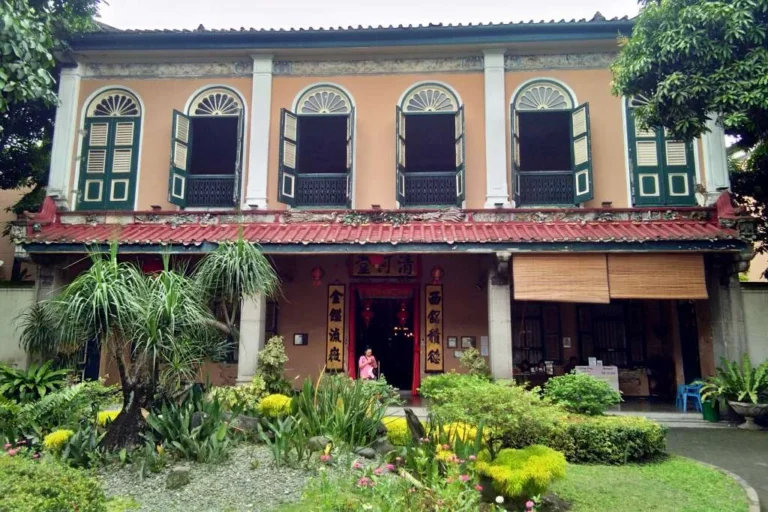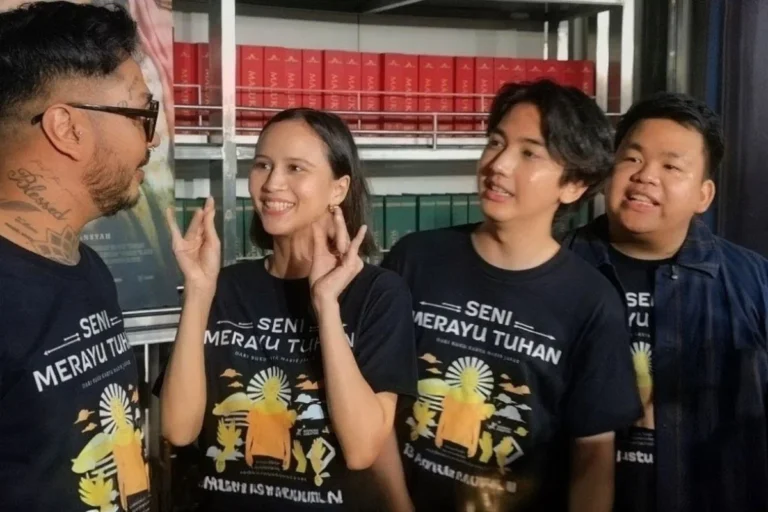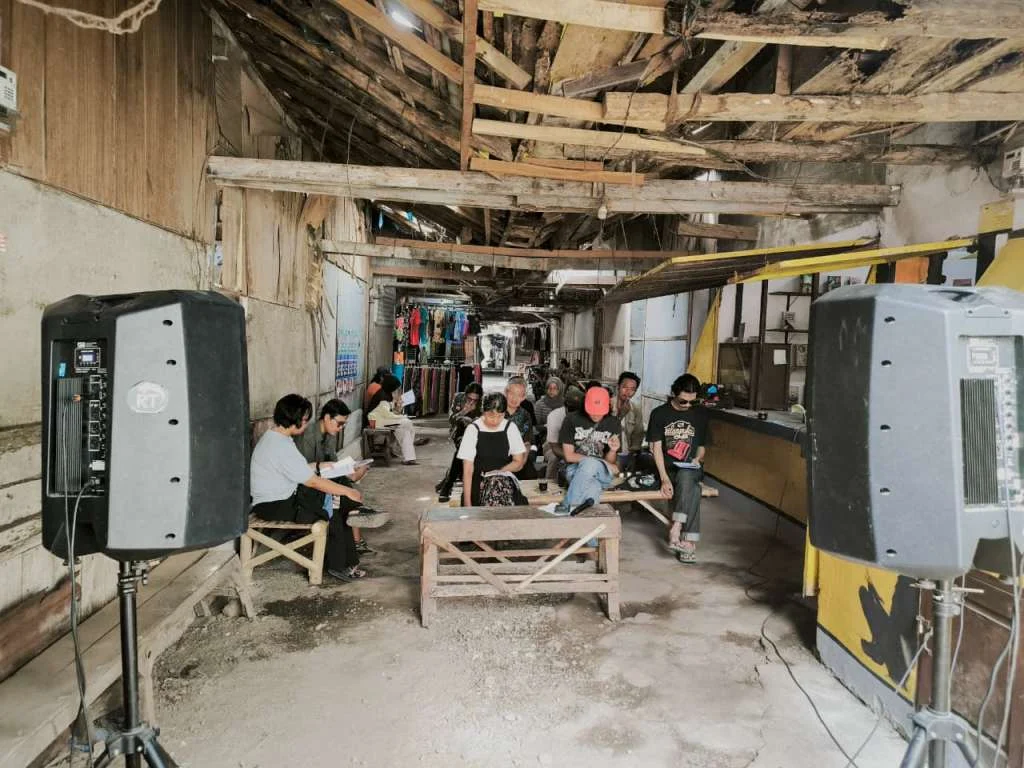
The afternoon sun cast long shadows over the weathered wooden beams of Kalisat’s historic old market in Jember, setting the scene for an intimate cultural gathering that bridged the gap between traditional music and contemporary socio-political critique. On a tranquil Sunday afternoon, a modest crowd of devoted listeners, community members, and local cultural collective members gathered before Ruli’s bookstore—a solitary literary outpost nestled amidst stalls selling everyday provisions and traditional garments. The occasion was an exclusive pre-release listening session for Stambul Arkipelagia Vol. 3, the latest musical offering from the celebrated Indonesian ensemble Orkes Silampukau.
Rather than debuting the album within the confines of a modern urban café or a commercial auditorium, the organizers deliberately chose the rustic backdrop of Pasar Kalisat. This choice imbued the event with an authentic, nostalgic resonance. As stereo speakers positioned in the heart of the market square hummed to life, attendees were handed zines containing the album’s lyrics, liner notes, and artist statements. This setting transformed a routine album preview into an immersive cultural experience, merging the melancholic melodies of stambul music with the fading rhythms of traditional Indonesian commerce.
Background Context and the Evolution of Stambul Arkipelagia Vol. 3
Orkes Silampukau has long established itself as a critical voice in the contemporary Indonesian independent music scene, known for its poetic lyricism, theatrical arrangements, and sharp sociological observations. Stambul Arkipelagia Vol. 3 represents a continuation of the band’s extensive artistic exploration, seeking to articulate the persistent realities of human suffering, historical memory, and systemic pressure across generations.
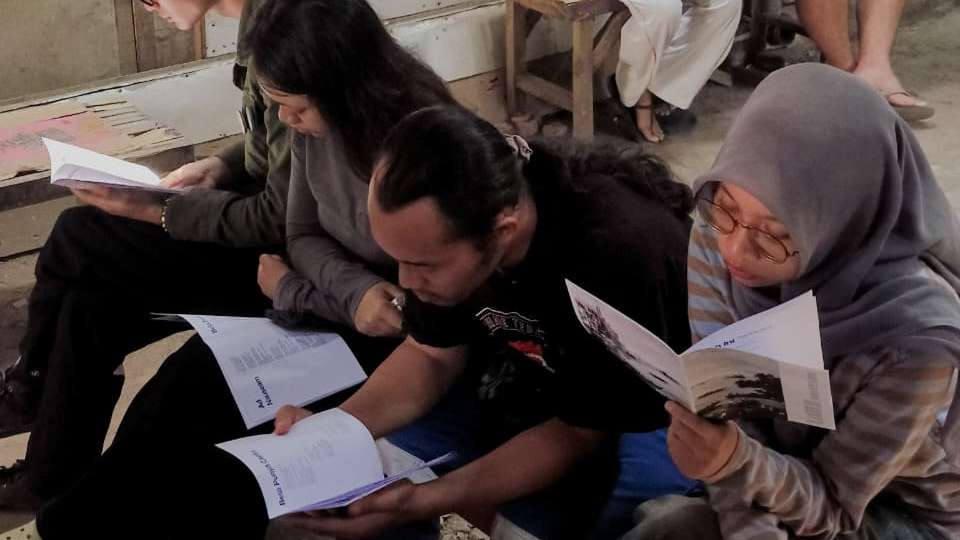
In the zine accompanying the pre-release, band member Kharis Junadharu articulates this vision, writing that the project positions itself as a continuation of the long endeavor of musicians and writers constantly searching for the most articulate language to record suffering from era to era. This philosophy forms the backbone of the ten-track album, which utilizes the historic stambul musical form—a genre rooted in 19th-century urban maritime Southeast Asian theater—to address contemporary ecological crises, political disillusionment, and societal friction.
The decision to host the listening session in Jember was spearheaded by local creative collectives, notably Sudut Kalisat, who seek to decentralize cultural events and bring contemporary art dialogues directly into peripheral and traditional public spaces. By placing high-art indie compositions in the middle of a traditional market, the event fostered a unique dialogue between modern intellectual critique and the daily realities of the working class.
Chronology of the Listening Session
The event commenced shortly after 1:00 PM local time on Sunday. Attendees settled onto benches arranged neatly in front of Ruli’s bookstore, surrounded by the quiet hum of late-afternoon market activity. Following a brief introduction by the organizers, the needle metaphorically dropped on the album’s opening track, "Subuh Ini" (This Dawn).
The song’s intense arrangement immediately captivated the audience, featuring intricate interplay between acoustic guitar, cello, and traditional instrumentation. Listeners exchanged glances, visibly struck by the sophisticated production quality and the emotional gravity of the composition.

As the playback progressed through all ten tracks, the audience meticulously followed along with the provided lyric zines. The experience prompted both awe and intellectual engagement. While the musical execution drew widespread praise for its complexity—prompting remarks about the high caliber of musicianship required to produce such arrangements—the lyrical content sparked immediate debate among attendees regarding vocabulary and thematic density. Tracks like "Ad Nauseam" and "Pandemonium Ekosida" featured dense, high-register terminology and literary allusions that challenged listeners to look beyond immediate entertainment and engage in deeper linguistic and political interpretation.
Analysis of Musical Style and Lyrical Implications
A defining characteristic of Stambul Arkipelagia Vol. 3 is its unconventional approach to protest music. While many contemporary politically engaged musical acts rely on direct, impassioned, and easily digestible rhetoric, Orkes Silampukau employs a more nuanced, metaphorical strategy.
During post-listening discussions among the attendees—including longtime supporters such as local resident Om Bambang—participants analyzed how the band weaponizes licentia poetica (poetic license) to subvert expectations. Rather than inciting overt rage, the album couples biting social critique with contrasting, often danceable or theatrical melodies, such as the cha-cha rhythms integrated into tracks addressing systemic despair.
This juxtaposition creates a complex emotional landscape where listeners are invited to experience anger, grief, and terror simultaneously without losing aesthetic appreciation. For instance, the track "Pandemonium Ekosida" constructs an atmosphere of palpable ecological dread, while "Waltz Pendek Untukmu" invokes a colonial-era waltz that eerily synchronized with the ambient sounds of the market—such as the rhythmic tapping of a local street vendor passing by.

This accidental sonic overlap underscored the thematic continuity of the album: the persistence of structural suffering and historical echoes reverberating across time, experienced just as vividly in a modern East Javanese market as they were centuries ago.
Broader Impact and Cultural Implications
The pre-release listening session at Pasar Kalisat highlights a growing trend within Indonesia’s independent music sector: the decentralization of album releases into grassroots, community-driven spaces. By bypassing traditional commercial venues, artists like Orkes Silampukau foster direct, unfiltered connections with their audiences, encouraging communal reflection rather than passive consumption.
Furthermore, the integration of physical zines, public listening circles, and site-specific performances challenges the hyper-digitalization of modern music consumption. It demonstrates that complex artistic statements addressing ecological degradation, historical trauma, and socioeconomic distress still find a receptive and critically engaged audience when anchored in communal physical spaces.
Ultimately, Stambul Arkipelagia Vol. 3 succeeds not merely as a collection of songs, but as a cultural artifact that records the bitter realities of contemporary life through exquisite artistic expression. Through events like the one at Kalisat, Orkes Silampukau proves that art can effectively marry severe socio-political critique with profound aesthetic beauty, leaving an indelible impact on those willing to listen closely.