The preservation of colonial-era infrastructure has increasingly drawn the attention of historians, rail enthusiasts, and local heritage conservationists across Indonesia. Among the many remnants of the Dutch East Indies railway network, the abandoned railway bridge spanning the Progo River in Temanggung Regency, Central Java, stands as a silent testament to a bygone era of transportation engineering. Built under the colonial administration, this structure was once a critical link in the regional economy, facilitating the movement of goods and passengers through the rugged terrain of Central Java. Today, the site has transitioned from an active economic corridor into a secluded historical landmark, offering a unique intersection of industrial archaeology, natural landscape, and slow tourism.
Historical Background and Construction Timeline
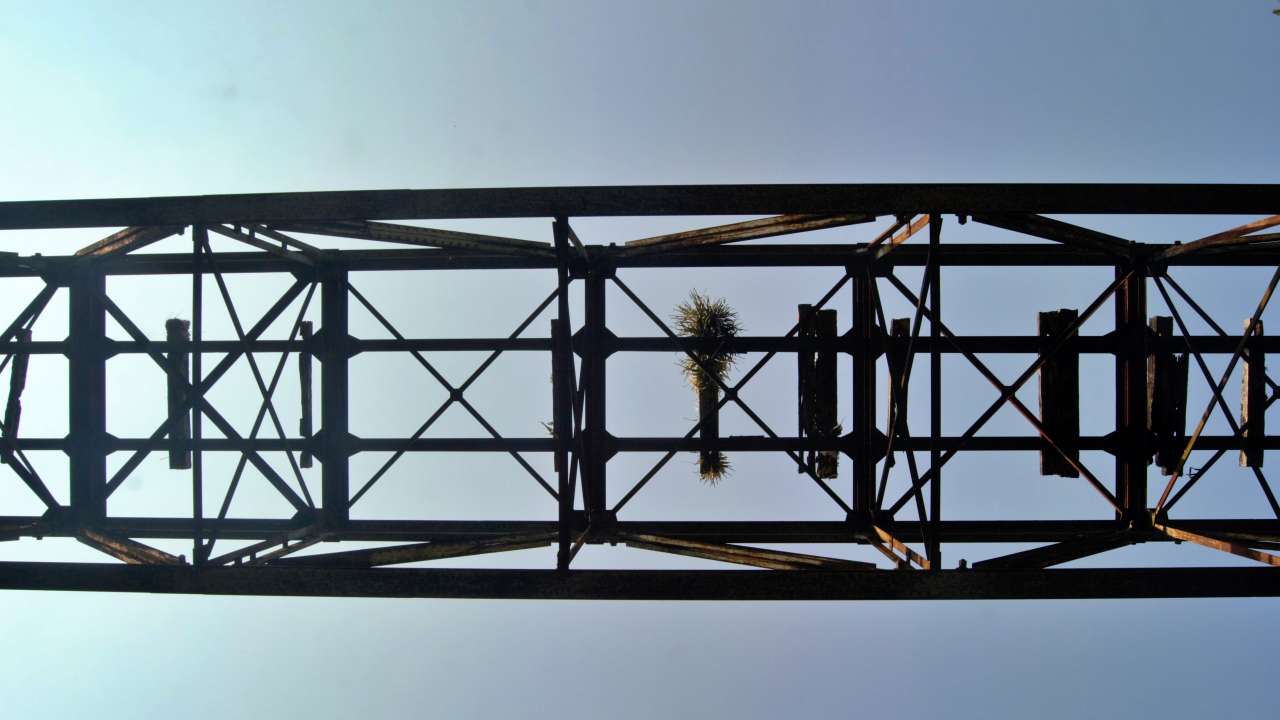
The history of the Progo River railway bridge is deeply intertwined with the development of colonial rail infrastructure in the late 19th and early 20th centuries. The bridge forms an integral segment of the Secang–Temanggung railway line, a strategic route developed by the Nederlandsch-Indische Spoorweg Maatschappij (NISM), one of the principal private railway companies operating in colonial Java.
Archival records, including documentation from historical engineering publications such as the Dutch magazine De Ingenieur, highlight the immense engineering challenges faced during the construction of railways through Central Java’s mountainous topography. The line officially commenced operations on January 3, 1907, marking a significant milestone in connecting inland agricultural production centers—particularly tobacco and coffee plantations in Temanggung—with larger commercial hubs and ports via Secang.
For over several decades, the bridge served as a vital arterial crossing. Heavy steam locomotives traversed the high-altitude steel framework, carrying both freight and passengers across the wide expanse of the Progo River. However, due to shifting economic priorities, the devastation of the transportation sector during and after World War II, and the eventual rise of road-based logistics, the line experienced a steady decline. Operations were eventually phased out, leaving the tracks abandoned, the ironwork weathered by rust, and the surrounding infrastructure reclaimed by nature.

Geographical Context and Route Expedition
Reaching the abandoned bridge requires navigating a distinct transition from urban density to rural tranquility. A typical journey to the site begins in the urban center of Magelang, proceeding northward into the undulating landscapes of Temanggung Regency. The route offers a visual contrast between bustling city streets lined with commercial transport vehicles and the serene, open vistas dominated by the majestic silhouette of Mount Sumbing to the west.
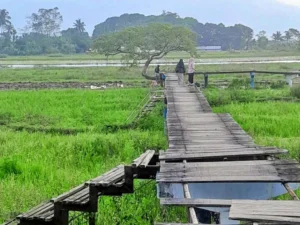
Situated discreetly off the primary roadway just past the modern Progo River vehicular bridge, the historical site remains largely hidden from casual passersby. Visitors attempting to access the structure often encounter understated pathways leading past local residential areas and active agricultural plots. The immediate vicinity of the bridge features a small local park and sweeping views of terraced rice paddies stretching along the riverbanks, creating an atmosphere heavily favored by local anglers and landscape photographers.

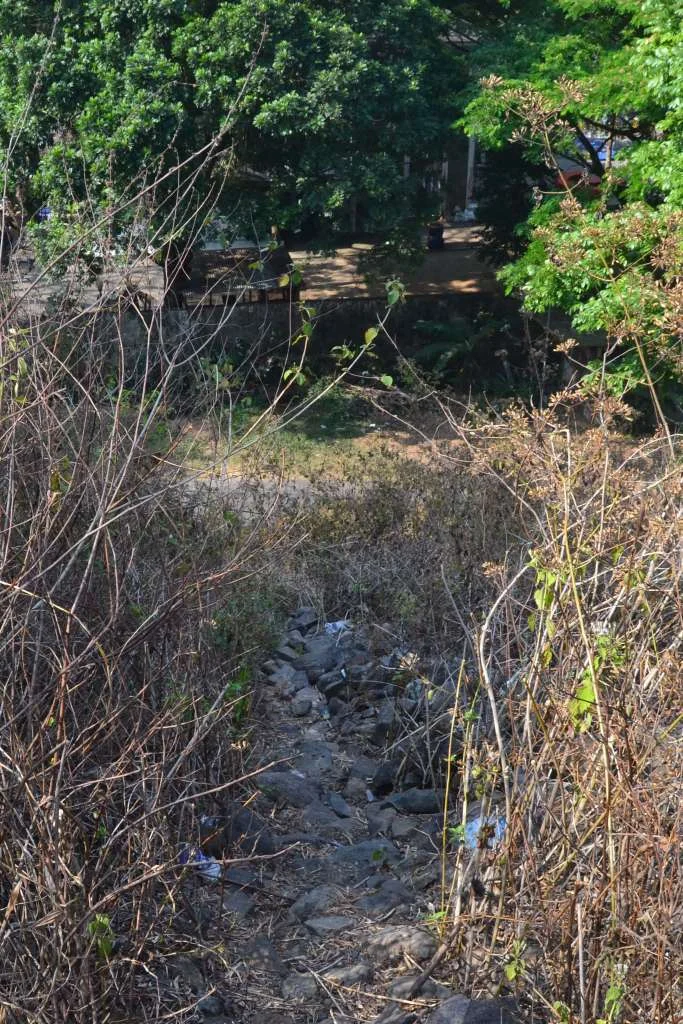
Accessing the elevated railway track requires negotiating steep, unpaved terrain. The approach involves traversing a rugged embankment characterized by loose stone formations and dense vegetation, highlighting the lack of formal tourism infrastructure at the location. Despite these physical barriers, the elevated vantage point provides an unobstructed panoramic view of the iron lattice framework, the winding Progo River below, and the distant settlements hugging the valley floor.
Implications for Heritage Tourism and Infrastructure Preservation
The current state of the Secang–Temanggung rail line underscores a broader challenge facing industrial heritage conservation in Indonesia: the neglect and deterioration of disused colonial-era assets. While structures like the Progo River bridge possess significant historical and architectural value, they frequently exist in a regulatory and operational gray area.

According to asset management markers in the area, much of the land and remaining infrastructure falls under the purview of PT Kereta Api Indonesia (Persero) [KAI], the state-owned railway operator tasked with managing national railway assets. KAI has increasingly worked to secure its legal boundaries against encroachment, occasionally erecting informational signage to delineate corporate property rights. However, balancing asset security with public access for historical appreciation remains a complex task.
Heritage conservationists and transportation historians argue that abandoned rail corridors hold substantial potential for adaptive reuse. In various regions globally, defunct railway lines have been successfully transformed into linear parks, pedestrian greenways, or heritage trails—commonly known as rail-trails. Such initiatives not only preserve the structural integrity of historical engineering feats but also stimulate local economies through sustainable tourism.
At present, the Progo River bridge operates primarily as an informal destination for adventurous travelers, local fishermen, and photography enthusiasts seeking solitude and historical reflection. While the absence of safety barriers and formal pathways presents inherent risks for visitors scaling the steep embankments to reach the tracks, the site continues to attract those drawn to the romanticism of industrial archaeology.

As Central Java continues to develop its regional tourism portfolios, the integration of historical railway remnants into structured heritage trails could offer a viable pathway for protecting these assets. For now, the bridge remains a frozen monument in time—a rust-laden relic bridging a century of transformation from the height of steam locomotion to the quiet contemplation of modern observers.