Socio Today
The global aesthetic and dermatology landscape is undergoing a profound cultural and behavioral shift. For decades, the consumer journey within cosmetic dermatology and aesthetic medicine was heavily driven by celebrity endorsements, viral social media trends, and high-price-tag exclusivity. Patients frequently walked into clinics requesting specific treatments they saw online, often without understanding whether those procedures aligned with their unique biological skin profiles. However, recent developments in consumer psychology and clinical practice indicate that a new demographic has taken center stage: the informed, critical, and results-oriented patient.
Industry experts and practicing clinicians note that contemporary consumers are increasingly moving away from brand-name hype and expensive price tags as the primary indicators of quality. Instead, they are demanding complete transparency, scientific justification, and measurable outcomes. This transformation marks a turning point in how aesthetic clinics formulate their service offerings, design patient consultations, and communicate the true value of modern dermatological interventions.
The Rise of the Smart Consumer in Modern Aesthetics
According to prominent aesthetic practitioner dr. Dedy Chandra, this new breed of patients represents a fundamental evolution in consumer awareness. Rather than being swayed by viral marketing campaigns or the sheer popularity of a product, these individuals adopt a rigorous, analytical approach to their skincare investments.
"Now, I prefer to call them Smart People. They are not simply coming in because a brand is viral," stated dr. Dedy in a recent industry insight. "They want to know what is being done, why it is being done, and what results can be expected."
This philosophy is encapsulated by a straightforward yet powerful maxim gaining traction within progressive clinics: Spend your money on the result, not just on the hype.
In practical terms, this means that premium treatments and high-cost procedures still hold a valid place in modern dermatology, but they are no longer given an automatic pass based solely on their market reputation. High-end injectable products or advanced laser technologies must now justify their costs through clear clinical indicators, tangible before-and-after documentation, and rational pricing structures. If a clinic offers an internationally renowned injectable priced at several million rupiah, but a clinically equivalent or superior alternative exists with a more rational cost structure and documented efficacy, the modern patient expects to be informed of all viable options.
The Changing Paradigm: From Hype-Driven to Need-Based Consultations
Historically, aesthetic clinics often operated on a product-push model, where newly launched devices or newly imported injectables dictated promotional strategies. Practitioners would frequently look for patients who fit the profile required to utilize a specific trending product.
Today, leading establishments are adopting a reverse-engineering approach. The consultation begins strictly with a comprehensive analysis of the patient’s biological skin condition, lifestyle factors, and aging trajectory. Only after establishing a clear diagnosis do practitioners formulate a customized treatment plan.
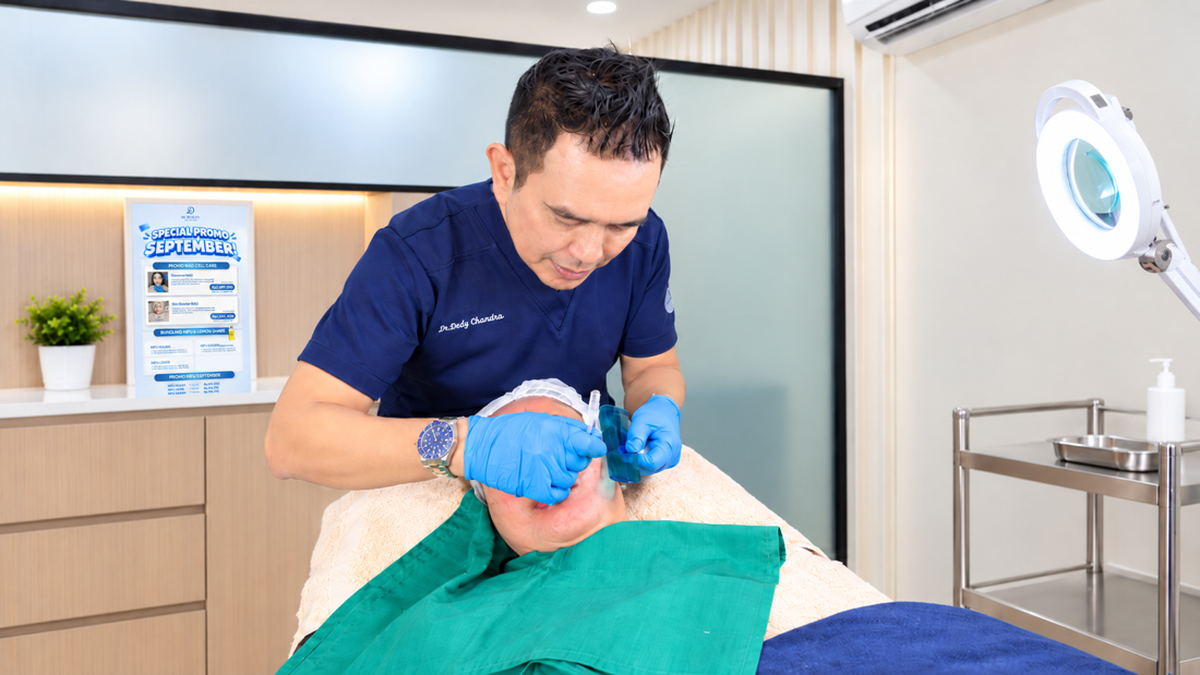
This diagnostic-first philosophy addresses a long-standing critique of the beauty industry: the danger of over-treatment. For younger demographics, such as individuals in their late twenties who have not yet developed significant signs of aging, aggressive interventions like deep-dermal fillers or intensive volumetric restoration are often unnecessary and potentially counterproductive. For these patients, primary prevention and foundational skin health strategies serve as the optimal entry point.
To accommodate this phased, results-driven philosophy, clinics are structuring their service menus to offer scalable pathways. One notable implementation of this concept is the "Tantangan 2 Minggu" (Two-Week Challenge) program introduced by DL Beauty. Designed as an entry-level framework, the program bundles multiple complementary treatments into a cohesive, cost-effective initial regimen.
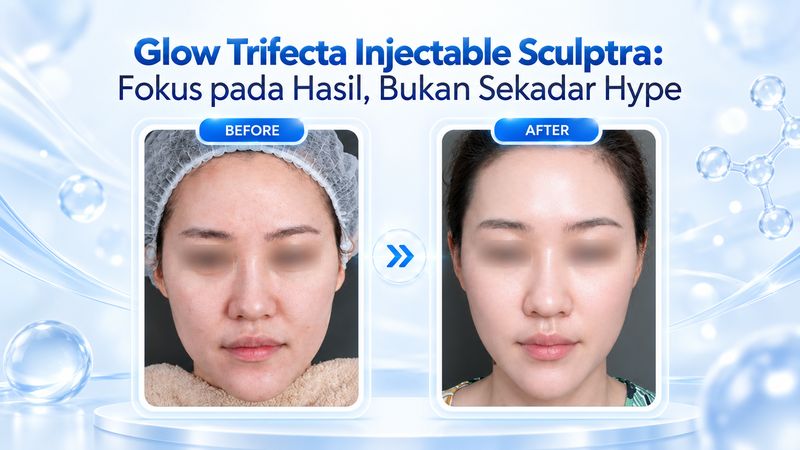
Crucially, the defining characteristic of this program is not merely its accessibility, but its mandatory evaluation checkpoint. By capturing standardized high-resolution imagery before treatment and scheduling a follow-up assessment precisely fourteen days later, the clinic shifts the burden of proof from marketing promises to empirical evidence.
"The important thing is we can see: before treatment, then two weeks later after treatment. So it is not just hearing promises," dr. Dedy explained. "We see the results."
The Technological and Clinical Spectrum of Modern Skincare
Once foundational skin health and barrier function are secured through initial diagnostic programs, modern aesthetic protocols branch into specialized tiers designed to target distinct physiological layers of the skin. Contemporary dermatology categorizes these advanced interventions into several distinct modalities:
Skin Longevity and Preventative Protocols
Modern aesthetic medicine increasingly frames skin health through the lens of longevity rather than short-term cosmetic enhancement. Protocols such as FOURGENIC focus on preserving cellular function, enhancing skin resilience, and delaying the biological aging process before structural degradation becomes severe.
Regenerative Aesthetics
Moving beyond superficial resurfacing, regenerative treatments harness the body’s natural healing mechanisms. Innovations utilizing exosomes and growth factor derivatives stimulate cellular repair, improve micro-circulation, and enhance extracellular matrix integrity from within.
Biostimulatory Interventions
Collagen stimulators represent a cornerstone of modern anti-aging therapies. Rather than merely filling lines temporarily, these agents prompt fibroblastic activity, encouraging the skin to synthesize its own endogenous collagen and elastin over time. This approach yields natural-looking restoration that improves both skin thickness and tensile strength.
Corrective and Contouring Procedures
For patients requiring structural support, volume restoration, or facial balancing, advanced dermal fillers and precise contouring techniques are deployed with a conservative, anatomically driven philosophy. Developments such as the "Glow Trifecta Injectable"—which combines collagen-stimulating agents with a regenerative approach—exemplify how modern formulations are engineered to simultaneously improve structural support and overall surface luminosity.
Background and Context: The Maturation of the Indonesian Aesthetic Market
The shift toward critical consumerism in Indonesia’s aesthetic sector does not occur in a vacuum. Over the past decade, the country’s beauty and wellness industry has experienced exponential growth, fueled by rising disposable incomes among the urban middle class, the proliferation of digital lifestyle media, and increased accessibility to international aesthetic standards.
Market research indicates that Indonesian consumers, particularly millennials and Generation Z, are among the most digitally literate beauty buyers in Southeast Asia. Armed with access to international dermatology journals, ingredient-analysis applications, and peer-reviewed forums, these consumers possess a level of product literacy that previous generations lacked. Consequently, traditional marketing tactics relying purely on emotional appeal or social proof are experiencing diminishing returns.
Furthermore, regulatory bodies and professional associations in the medical sector have intensified oversight regarding advertising standards, claims of efficacy, and practitioner credentials. This regulatory tightening has compelled aesthetic clinics to elevate their standards of scientific communication, ensuring that patients receive accurate, evidence-based education during consultations.
Economic and Industry Implications
The transition toward a value-driven, results-oriented aesthetic market carries significant economic and operational implications for industry stakeholders across the region.
Operational Adaptability for Clinics
Aesthetic practices that cling to an inventory-heavy, trend-chasing business model face increasing pressure. Clinics must invest heavily in continuous education for their medical staff, ensuring that practitioners can articulate the scientific rationale behind every procedure. Diagnostic technology—such as multi-spectral skin analyzers and 3D imaging systems—has transformed from an optional luxury into an essential clinical tool used to justify treatment recommendations objectively.
Redefining Marketing and Consumer Trust
For marketing departments within the beauty sector, the mandate has shifted from generating viral reach to building long-term clinical credibility. Campaigns that highlight transparency, realistic expectations, and verifiable patient outcomes resonate significantly better with the modern consumer base. Trust is no longer built on the volume of endorsements, but on the consistency of clinical outcomes over time.
Financial Efficiency for Consumers
From an economic standpoint, the analytical approach championed by "Smart People" protects consumers from unnecessary expenditure. By prioritizing treatments based on verified skin diagnostics rather than generalized market trends, patients avoid paying for high-cost interventions that do not address their specific biological needs. The emphasis on tiered programs—such as entry-level foundational treatments paired with structured follow-ups—ensures that aesthetic care remains scalable and financially rational.
Conclusion: The Future of Informed Aesthetics
As the aesthetic medicine industry continues to mature, the dividing line between short-lived marketing fads and sustainable clinical practice is becoming increasingly distinct. The modern consumer’s transition into a critical, research-driven participant marks a permanent elevation of industry standards.
Ultimately, the future of aesthetic innovation is not defined by which clinic offers the most expensive procedure, nor by which treatment dominates social media algorithms for a given week. Instead, it rests on a commitment to diagnostic precision, clinical rationality, and measurable efficacy. By aligning professional expertise with the discerning demands of the Smart People demographic, the aesthetic industry is moving toward a more transparent, accountable, and scientifically grounded future.