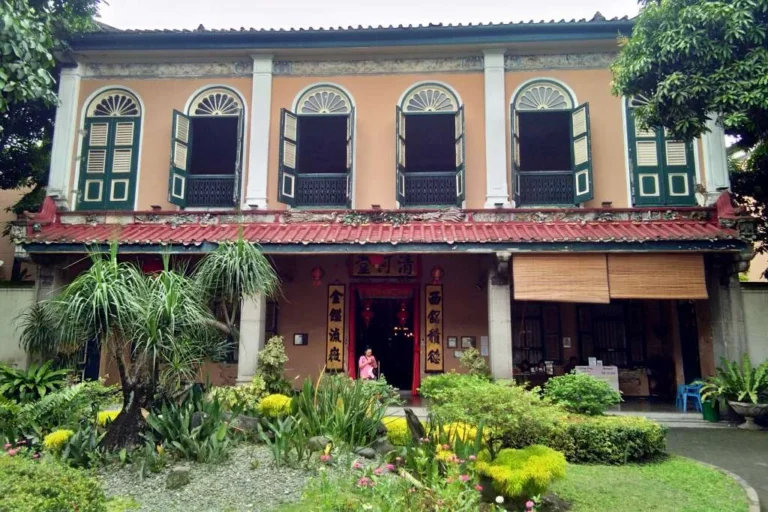
The strategic geography of the Riau Islands has long positioned Batam as a primary maritime gateway between Indonesia, Singapore, and Malaysia. In recent years, however, this proximity has combined with broader macroeconomic shifts to fundamentally transform the island into a vibrant hub for weekend tourism and cross-border culinary exploration. As neighboring nations grapple with persistent inflation and rising living costs, Batam’s appeal has surged, driven heavily by favorable currency exchange rates and an extraordinarily resilient local food economy.
Economic pressures in urban centers such as Singapore have altered regional consumer behavior significantly. Recent reports from international financial and consumer analysts highlight that escalating energy and raw material costs—exacerbated by global geopolitical tensions—have forced local food operators, including traditional hawker centers, to increase menu prices by up to S$1 per dish. For many Singaporean and Malaysian travelers, these compounding costs make short trips across the Malacca Strait an increasingly attractive alternative. Official data from the Batam City Culture and Tourism Office underscores this trend, recording a measurable influx of international visitors seeking both retail therapy and gastronomic relief.
Beyond Tourism: Infrastructure and Cosmopolitan Appeal

Upon arriving at Hang Nadim International Airport, the tangible impact of Batam’s dual identity as both an industrial powerhouse and a tourism destination becomes immediately apparent. Modernized roadway networks, characterized by wide lanes and well-maintained asphalt, facilitate smooth transit across the island. Local transportation providers routinely emphasize that regional tourism revenues have played an essential role in accelerating infrastructural development alongside industrial manufacturing zones.
This cosmopolitan growth is equally visible in the hospitality sector. Hotels and public venues frequently echo with a multilingual mosaic of English, Mandarin, and Malay. Far from being a rigid manufacturing enclave, Batam operates as a multicultural crossroads where international business executives, expatriates, and regional tourists converge. The island’s economic ecosystem thrives on this constant mobility, seamlessly blending corporate enterprise with leisure and culinary tourism.
Comparative Gastronomy: Value, Portion, and Flavor
At the heart of Batam’s tourism appeal lies its thriving seafood culture. For international visitors and domestic travelers alike, dining on fresh marine catches is an essential component of the island experience. Culinary offerings range from massive communal platters, locally known as seafood tumpah (spilled seafood), to specialized regional dishes that highlight the rich biodiversity of local waters.

Priced competitively—often between Rp90,000 and Rp120,000 for generous portions that easily satisfy multiple diners—these meals deliver exceptional economic value. When evaluated against culinary hubs across the Indonesian archipelago, such as Bali, Lombok, Sulawesi, or various regions in Java, Batam maintains a distinct advantage in portion-to-price ratios. While premium dining destinations like Jimbaran in Bali command significantly higher premiums due to their resort-town status, Batam offers a rare synthesis of premium freshness, complex coastal seasoning, and affordability.
This value proposition extends beyond traditional sit-down restaurants. Street-side delicacies, including regional variations of fish-based snacks like pempek, exhibit a robust flavor profile rooted in the immediate availability of fresh marine resources. Because the island serves as a major landing point for fishermen, local culinary establishments secure high-quality protein at fractions of the cost found in landlocked metropolitan centers.
Cultural Heritage and the Malay Kitchen
The cultural narrative of Batam’s food scene is deeply intertwined with the traditions of the Malay diaspora. Culinary practices on the island often reflect centuries of cross-cultural exchange, blending indigenous Malay techniques with historical influences from India, China, and the broader Nusantara region. Local culinary figures frequently note that cooking within Malay communities functions as an extension of hospitality and familial bonding rather than mere sustenance.

Dishes such as gonggong—a native sea snail typically served with specialized dipping sauces—embody the unique coastal identity of the Riau Islands. This interconnected culinary heritage reinforces a sense of shared regional identity that transcends modern national borders, linking the food traditions of Batam directly with those of coastal Malaysia and Singapore.
Macro-Economic Impact: Fisheries and Export Dynamics
The vitality of Batam’s culinary sector is supported by a robust commercial fishing and aquaculture network. The island is not merely a consumer market; it is a major operational node in regional fisheries supply chains. Data compiled by the Batam City Fisheries Office indicates that commercial catches are regularly harvested from surrounding waters, including the sub-districts of Belakangpadang, Bulang, and Galang, alongside shipments sourced from regional waters such as Natuna and Anambas.
This production capacity feeds both domestic demand and international trade. According to trade reports published in Batam Pos, Batam exported approximately 5,414 tons of fish valued at over Rp232 billion within a single recent operating year, with Singapore serving as the primary destination. Key export commodities include high-value species such as grouper (kerapu), snapper (kakap), rabbitfish (lebam), crabs, and lobsters.

This dual-stream economy—supplying both high-end international export markets and accessible local eateries—provides a vital economic buffer for local fishermen, distributors, and food service workers. As regional tourism continues to expand, the continuous influx of visitors generates sustained revenue streams that directly support coastal livelihoods.
Future Outlook and Sustainability Challenges
As Batam consolidates its reputation as a premier regional getaway and culinary destination, policymakers and industry stakeholders face the challenge of balancing rapid tourism growth with environmental sustainability. The increasing demand for seafood places continuous pressure on marine ecosystems within the Riau Archipelago. Ensuring the long-term viability of the island’s fisheries requires strict adherence to sustainable fishing quotas, habitat preservation, and effective waste management protocols within the hospitality sector.
Furthermore, maintaining consumer confidence necessitates rigorous standards in food safety, hygiene, and pricing transparency. As regional economic pressures continue to reshape travel patterns across Southeast Asia, Batam is uniquely positioned to capture an expanding share of the leisure market. By harmonizing rich cultural traditions, robust infrastructural development, and responsible resource management, the island can secure its trajectory as a cornerstone of sustainable tourism and economic vitality in the Riau Islands.