Socio Today
South Korea has solidified its position as a global tourism powerhouse, driven by a sophisticated blend of traditional heritage, cutting-edge urban design, and the pervasive influence of the "Hallyu" or Korean Wave. For international travelers, particularly those from Southeast Asian nations like Indonesia, the Republic of Korea represents more than just a geographical destination; it is a living set for the cinematic narratives that have dominated global streaming platforms over the last decade. As the world transitions into a post-pandemic travel era, South Korea’s Ministry of Culture, Sports, and Tourism, alongside the Korea Tourism Organization (KTO), has observed a significant uptick in "content-driven tourism," where visitors seek out specific locations featured in television dramas, films, and music videos. From the theatrical streets of Daehakro to the architectural grandeur of the Starfield Library, the nation offers a diverse array of experiences that cater to both the aesthetic desires of social media users and the intellectual curiosity of cultural enthusiasts.
The Evolution of South Korean Tourism: A Chronological Context
To understand the current popularity of South Korean travel destinations, one must examine the chronological trajectory of the country’s tourism industry. In the early 2000s, South Korea was primarily a regional destination for neighboring East Asian countries. However, the release of the drama Winter Sonata in 2002 marked the first significant wave of Hallyu tourism, drawing thousands of Japanese and Chinese tourists to Nami Island.
By 2010, the expansion of digital platforms allowed K-pop and K-dramas to reach a global audience, shifting the demographic of visitors to include a younger, more diverse international crowd. The period between 2015 and 2019 saw record-breaking numbers, with annual arrivals exceeding 17 million. Although the COVID-19 pandemic caused a temporary cessation of international movement, the South Korean government utilized this period to upgrade infrastructure and develop "Smart Tourism" initiatives. In 2023 and 2024, tourism has rebounded sharply, with a renewed focus on niche urban experiences that go beyond the traditional palaces of Seoul. This shift has brought locations like Geonbae, Daehakro, and the Starfield Library into the spotlight as essential stops for the modern traveler.
The Vibrancy of Urban Nightlife: Understanding the Geonbae Culture
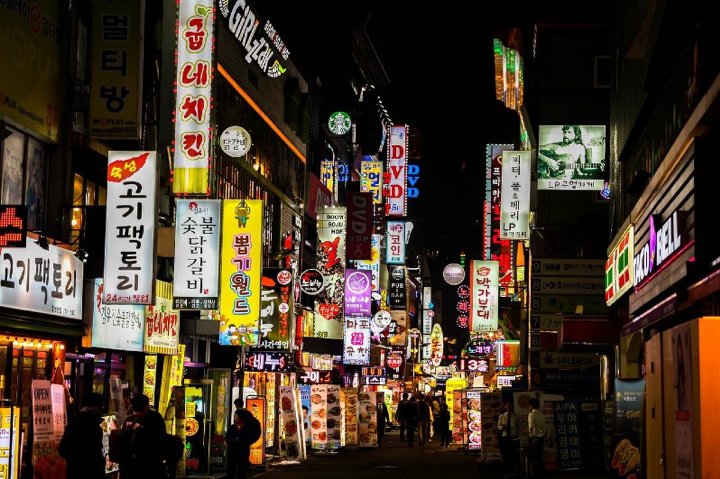
One of the most prominent features of the South Korean metropolitan experience is the vibrant nightlife, often centered around districts that embody the "Geonbae" (cheers) culture. While "Geonbae" is the linguistic term for a toast, it represents a broader social phenomenon involving communal dining and the frequenting of specialized bars known as SUL-JIP. Areas such as the Konkuk University (Kunda-e) district, Hongdae, and Itaewon are characterized by streets lined with neon-lit establishments that cater to a demographic seeking a high-energy, metropolitan atmosphere.

The appeal of these districts lies in their duality; they serve as social hubs for local university students while offering tourists an authentic glimpse into the "work hard, play hard" ethos of Seoul’s youth. These areas are frequently used as backdrops in K-dramas to depict the social lives of protagonists, making them highly recognizable to international fans. From a logistical standpoint, these districts are designed for accessibility, with dense concentrations of bars, restaurants, and "photoism" booths (self-service photo studios) that allow visitors to document their experiences. The economic impact of these nightlife zones is substantial, contributing significantly to the local hospitality sector and supporting a secondary market of late-night street food vendors.
Daehakro: The Broadway of the East
For those seeking a more curated cultural experience, Daehakro stands as the undisputed heart of South Korea’s performing arts scene. Stretching approximately 1.6 kilometers, this district is often compared to Broadway in New York or the West End in London. Daehakro is home to over 150 small and medium-sized theaters, a density of performance spaces that is unparalleled globally.
The history of Daehakro as a cultural hub dates back to the relocation of Seoul National University’s main campus, which left behind a vacuum that was quickly filled by artists and theater troupes. Today, the area is anchored by Marronnier Park, a public space that hosts outdoor performances and serves as a gathering point for the city’s creative community. Visitors to Daehakro can witness a wide range of productions, from experimental indie plays to large-scale musicals.
Industry analysts note that Daehakro serves as a vital incubator for the South Korean entertainment industry. Many of the actors who achieve international fame in K-dramas began their careers on the small stages of Daehakro. For the tourist, visiting this district offers a deeper understanding of the rigorous training and artistic heritage that underpins the polished Hallyu content seen on screen. The district’s architecture, which blends mid-century brick buildings with modern glass structures, provides a visual narrative of Seoul’s rapid modernization and its commitment to preserving the arts.
Starfield Library: A Modern Architectural Landmark
In the heart of the Gangnam district, within the expansive COEX Mall, lies the Starfield Library—a destination that has redefined the concept of a public reading space. Opened in 2017, the library is a marvel of contemporary design, featuring floor-to-ceiling bookshelves that reach a height of 13 meters. Unlike traditional libraries that prioritize silence and seclusion, the Starfield Library is an open-plan "culture space" designed for social interaction and visual impact.
The library houses over 50,000 books and magazines, ranging from classic literature to international periodicals. However, its primary draw for international tourists is its aesthetic grandeur. The library has become one of the most photographed locations in Seoul, frequently appearing on social media platforms like Instagram and TikTok. This "Instagrammability" was a deliberate design choice by the Shinsegae Property group to revitalize the COEX Mall and attract a new generation of shoppers and travelers.
Beyond its visual appeal, the Starfield Library functions as a venue for intellectual discourse, hosting book talks, poetry readings, and musical performances. It represents a successful fusion of commercial real estate and public utility, providing a free space for travelers to rest and immerse themselves in a literary environment amidst the fast-paced shopping district of Gangnam.
Supporting Data: The Economic Contribution of Tourism
Recent data from the Korea Tourism Organization highlights the growing importance of the Indonesian market. In the first half of 2024, the number of Indonesian visitors to South Korea saw a 15% increase compared to the same period in 2019, reflecting a strong recovery and a growing middle class with disposable income. Overall, tourism contributes approximately 4.3% to South Korea’s GDP, with the government aiming to attract 30 million international tourists annually by 2027.
The "Hallyu effect" is quantifiable; a study by the Korea Foundation for International Cultural Exchange (KOFICE) estimated that the economic impact of the Korean Wave reached approximately $12 billion in recent years, with tourism being a primary beneficiary. Travelers who visit because of K-content tend to stay longer and spend more on shopping and dining than traditional business travelers.
Official Responses and Strategic Initiatives
In response to this surge in interest, the South Korean government has implemented several strategic initiatives to facilitate easier travel. The K-ETA (Korea Electronic Travel Authorization) system was introduced to streamline entry for visa-exempt travelers, and the "Hallyu Visa" (officially known as the K-culture training visa) is being developed to allow foreign fans of Korean culture to stay in the country for extended periods to study the arts and language.
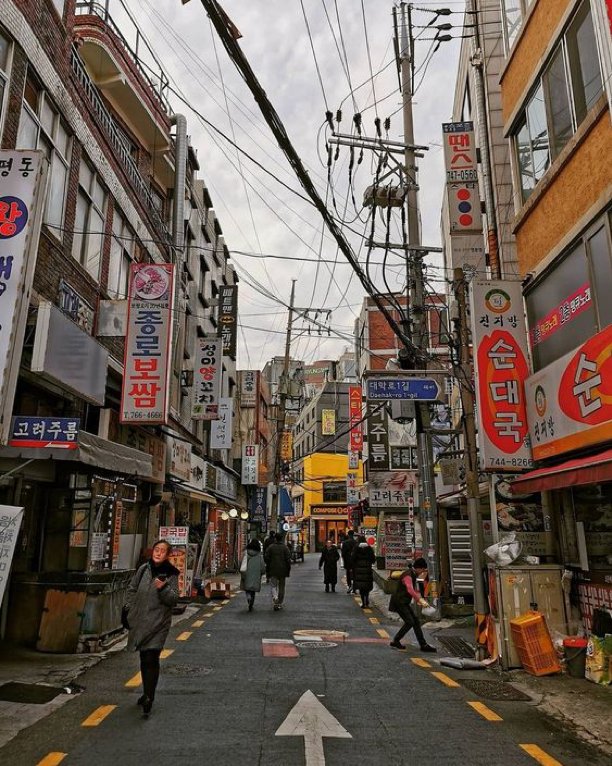
Park Bo-gyoon, the former Minister of Culture, Sports, and Tourism, stated in a recent press briefing that the government is committed to "expanding the boundaries of K-tourism" by connecting traditional tourist sites with contemporary cultural experiences. This involves developing "K-drama trails" and providing multilingual support in districts like Daehakro and Geonbae to ensure that international visitors can navigate these areas with ease.
Broader Implications and the Future of South Korean Travel
The transformation of South Korea into a top-tier global travel destination has broader implications for urban planning and cultural diplomacy. The success of locations like the Starfield Library demonstrates how architectural innovation can drive economic revitalisation. Similarly, the preservation of Daehakro highlights the importance of maintaining cultural ecosystems in the face of urban development.
As South Korea looks toward the future, the challenge will be to manage the "over-tourism" of popular sites while encouraging visitors to explore regions outside of Seoul. Initiatives are currently underway to promote cities like Busan, Gwangju, and Gangneung, each offering their own unique cultural and cinematic connections. For the traveler, South Korea remains a destination of endless discovery, where the line between the screen and reality is beautifully blurred, offering a metropolitan experience that is as emotionally resonant as it is visually stunning. Whether one is toasting in a bar in a neon-lit alley or lost in the towering shelves of a Gangnam library, the journey through South Korea is a testament to the power of culture in shaping the modern world of travel.