Socio Today
Acne vulgaris remains one of the most pervasive dermatological conditions globally, affecting an estimated 85% of individuals at some point between the ages of 12 and 24. However, the prevalence of adult acne is also on the rise, particularly among women, leading many to seek solutions beyond the traditional array of topical creams and chemical treatments. While the skincare industry continues to innovate with retinoids, salicylic acid, and benzoyl peroxide, a growing body of clinical research suggests that the most effective approach to clear skin may start from within. Dermatologists and nutritionists are increasingly emphasizing the "gut-skin axis," a biological connection where dietary choices directly influence systemic inflammation and hormonal balance, both of which are primary drivers of acne.
The etiology of acne is complex, involving a confluence of factors including genetic predisposition, hormonal fluctuations, psychological stress, environmental pollution, and the health of the internal microbiome. Historically, the link between diet and acne was often dismissed by the medical community in the mid-20th century. However, recent longitudinal studies have reversed this perspective, highlighting how specific nutrients—particularly fiber, antioxidants, and omega-3 fatty acids—can mitigate the inflammatory responses that lead to breakouts. According to a report by Everyday Health published in July 2026, shifting dietary patterns toward nutrient-dense, low-glycemic foods can significantly support skin health and reduce the severity of acne.
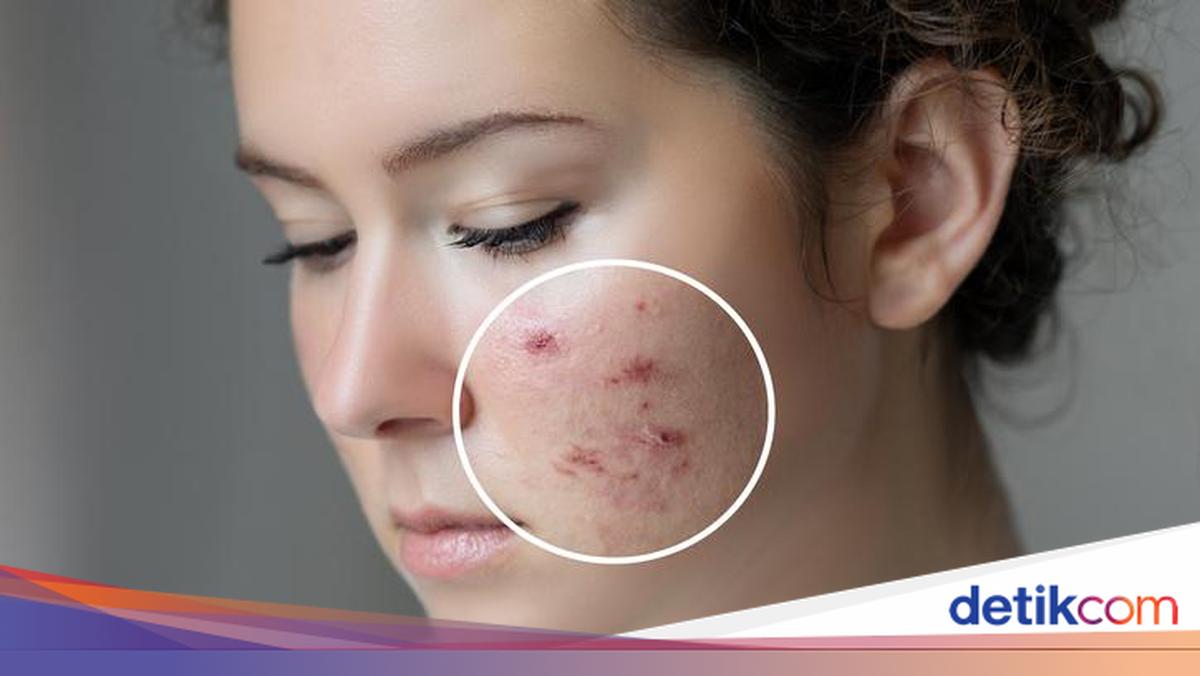
The Role of Omega-3 Fatty Acids: The Salmon Strategy
Salmon has long been hailed as a superfood for cardiovascular health, but its benefits for the skin are equally profound. The primary mechanism through which salmon aids in acne management is its high concentration of omega-3 fatty acids, specifically eicosapentaenoic acid (EPA) and docosahexaenoic acid (DHA). Dr. Shoshana Marmon, a prominent dermatologist, notes that these fatty acids are potent anti-inflammatory agents. Inflammation is a cornerstone of the acne process; when the body is in a pro-inflammatory state, it produces more sebum and is more reactive to the bacteria Cutibacterium acnes.
Omega-3s work by inhibiting the production of pro-inflammatory cytokines. By reducing systemic inflammation, these fats help prevent the transformation of minor clogged pores into painful, red papules or pus-filled pustules. Furthermore, omega-3 fatty acids help regulate the production of leukotriene B4, a molecule that can increase sebum production and inflammatory acne. Beyond salmon, individuals looking to boost their omega-3 intake can turn to other fatty fish like mackerel and tuna, or plant-based sources such as chia seeds, flaxseeds, and walnuts. Regular consumption of these foods contributes to a more resilient skin barrier and a calmer inflammatory profile.
Probiotics and the Gut-Skin Axis: The Yogurt Advantage
The human gut is home to trillions of microorganisms that play a critical role in immune function and metabolic health. Emerging science on the gut-skin axis suggests that an imbalance in gut bacteria, known as dysbiosis, can manifest as skin inflammation. Yogurt, a staple fermented food, serves as a primary source of live probiotics that help restore this delicate balance.
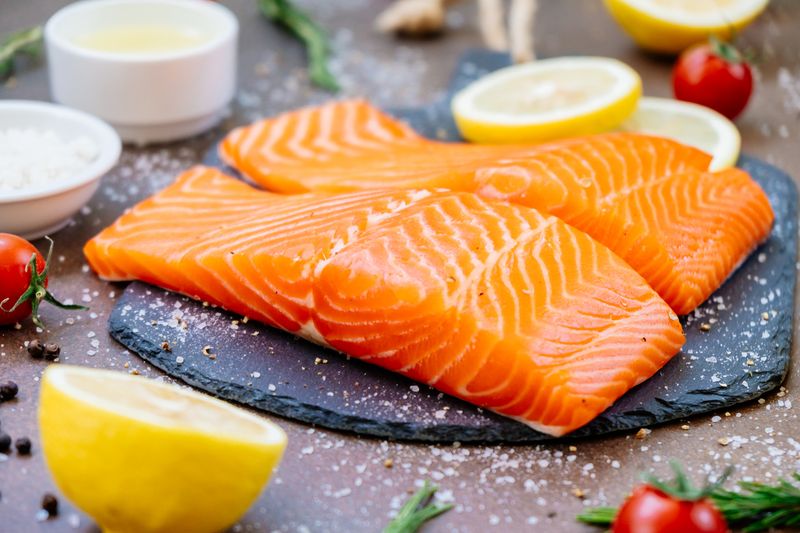
Dr. Marmon explains that probiotic-rich foods like yogurt can alleviate acne by reducing oxidative stress and systemic inflammation. When the gut microbiome is healthy, it prevents "leaky gut" syndrome—a condition where intestinal permeability allows toxins to enter the bloodstream, triggering an immune response that often shows up on the skin. Julia Zumpano, a registered dietitian, adds that the health of the gut microbiome is instrumental in regulating the hormones and signaling pathways that dictate skin behavior.
To maximize the benefits, experts recommend choosing plain, unsweetened yogurt to avoid the pro-inflammatory effects of added sugars. Other potent sources of probiotics include kefir, kimchi, sauerkraut, and kombucha. By fostering a diverse internal ecosystem, individuals can essentially "calm" their skin from the inside out.
Managing Insulin and Androgens: The Chickpea Connection
One of the most significant breakthroughs in nutritional dermatology is the understanding of the Glycemic Index (GI). High-GI foods—such as white bread, sugary cereals, and processed snacks—cause a rapid spike in blood sugar levels. This spike triggers a surge in insulin, which in turn stimulates the production of insulin-like growth factor 1 (IGF-1). High levels of IGF-1 are known to increase the activity of androgen hormones, which are the primary culprits behind excess sebum production.
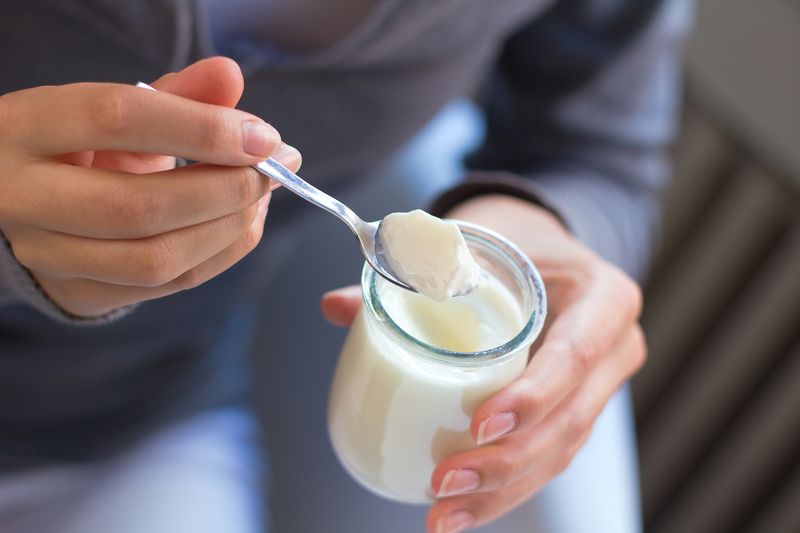
Chickpeas (garbanzo beans) are an ideal alternative because they have a low glycemic index and are rich in fiber and zinc. Julia Zumpano highlights that low-GI foods prevent the insulin spikes that lead to oily skin and clogged pores. When sebum production is stabilized, the environment for acne-causing bacteria becomes less hospitable. Additionally, the fiber in chickpeas aids in the regular elimination of toxins, further supporting skin clarity. Other low-GI options that complement a skin-healthy diet include lentils, beans, whole grains, and non-starchy vegetables.
Antioxidant Defense: The Power of Blueberries
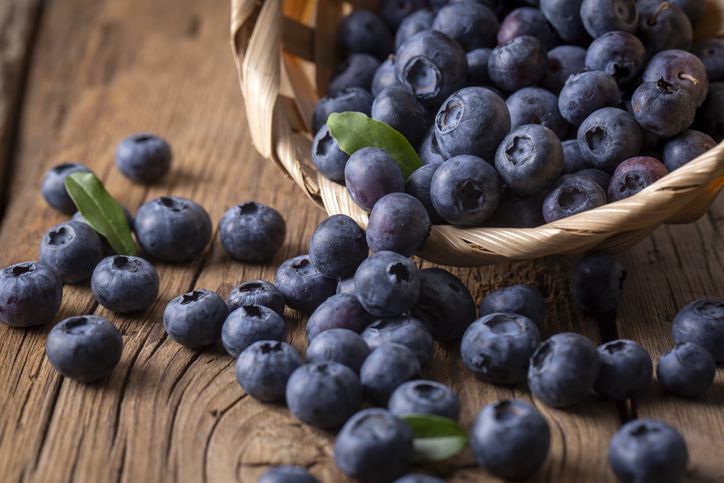
Oxidative stress occurs when there is an imbalance between free radicals and antioxidants in the body. In the context of skin health, oxidative stress can damage skin cells and oxidize sebum. Oxidized sebum is particularly comedogenic, meaning it is much more likely to clog pores and initiate an acne lesion. Blueberries are among the most antioxidant-dense fruits available, packed with anthocyanins, vitamins A, C, and E, and various polyphenols.
Dr. Marmon emphasizes that the vibrant pigments in fruits like blueberries are indicators of their ability to fight oxidative damage. Vitamin C, in particular, is essential for collagen synthesis and wound healing, helping the skin recover faster from existing acne scars. Vitamin A, a natural precursor to the compounds found in many prescription acne medications, helps regulate cell turnover to prevent the buildup of dead skin cells. Expanding the diet to include other "colorful" produce—such as kale, spinach, strawberries, tomatoes, and purple grapes—provides a broad spectrum of phytonutrients that protect the skin from environmental stressors like UV radiation and pollution.
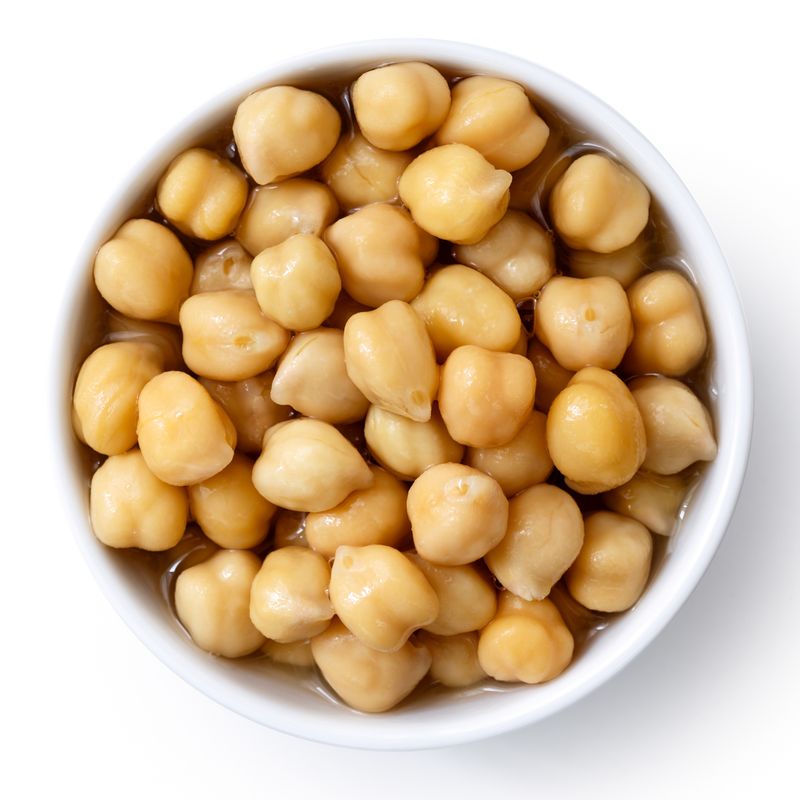
Zinc and Mineral Support: The Almond Essential
Zinc is a trace mineral that acts as a powerhouse for skin repair. It possesses both anti-inflammatory and antibacterial properties, making it effective against the bacteria that colonize the skin and lead to breakouts. Almonds are an excellent snack choice for those struggling with acne because they provide a healthy dose of zinc along with Vitamin E, another skin-protective antioxidant.
According to Dr. Marmon, zinc helps regulate the activity of the oil glands and can even assist in the healing of existing lesions. While almonds are a convenient source, zinc can also be found in pumpkin seeds, lentils, and chickpeas. It is important to note that while red meat is high in zinc, many health professionals advise against overconsumption due to its links to cardiovascular issues. For those considering zinc supplements, medical consultation is vital, as excessive zinc can interfere with the absorption of other minerals like copper and may interact with certain antibiotics or iron supplements.
Broader Implications and the Future of Acne Treatment
The shift toward dietary intervention represents a paradigm shift in how society views dermatological health. We are moving away from a model of "reactive" treatment—where a person only treats a pimple after it appears—toward a "proactive" lifestyle-based model. This holistic approach acknowledges that the skin is not an isolated organ but a reflection of the body’s internal state.
The economic implications of this shift are also noteworthy. As consumers become more aware of the link between diet and skin, there is a rising demand for "nutricosmetics"—supplements and functional foods designed specifically for aesthetic benefits. However, experts warn that supplements should not replace a balanced diet. The synergy of nutrients found in whole foods like salmon, yogurt, and blueberries is often more effective than isolated vitamins.
Furthermore, the adoption of diets like the Mediterranean diet—which is naturally rich in fish, healthy fats, and fresh produce—has shown clinical promise in reducing acne severity across various populations. As clinical trials continue to validate these dietary strategies, it is likely that future dermatological guidelines will include personalized nutrition plans alongside traditional prescriptions.
In conclusion, while high-quality skincare products remain a valuable tool in the fight against acne, they are only one piece of the puzzle. By incorporating salmon for its omega-3s, yogurt for its probiotics, chickpeas for glycemic control, blueberries for antioxidant protection, and almonds for zinc, individuals can address the root causes of acne. This comprehensive strategy not only leads to clearer skin but also promotes overall physiological well-being, proving that the secret to a radiant complexion may indeed be found in the grocery aisle rather than the pharmacy shelf.