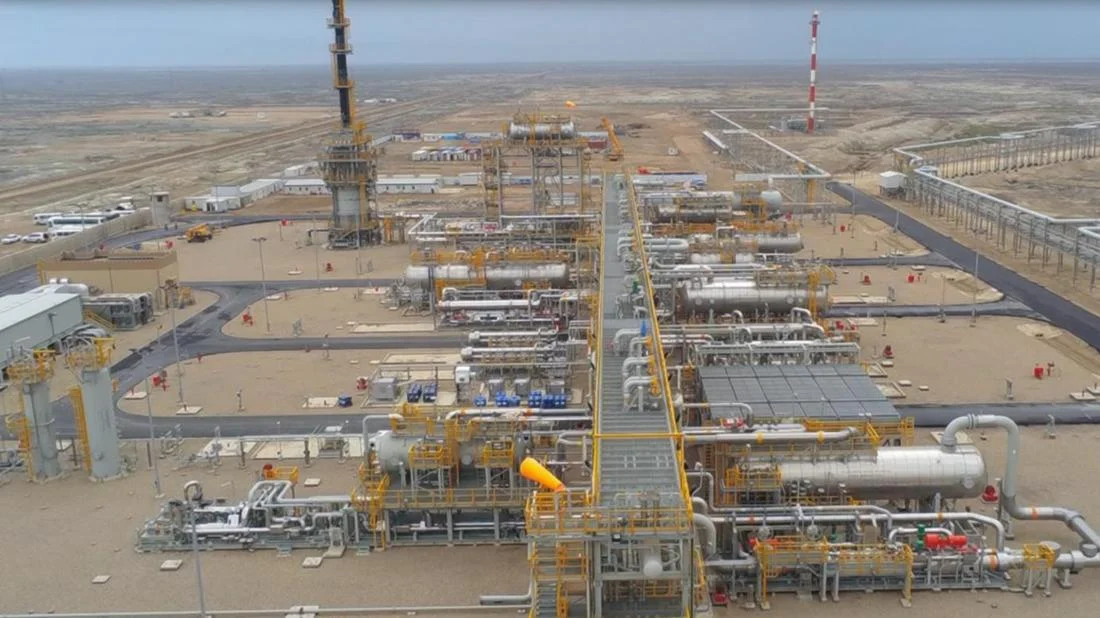
PT Pertamina (Persero), Indonesia’s state-owned energy giant, has officially announced the acquisition of participating interests in three major onshore hydrocarbon fields located within the Berkine Basin in Algeria. This significant cross-border transaction is being executed through the company’s subsidiary, PT Pertamina Algeria EP (PAEP), in a deal involving Cepsa Algérie, S.L.U. and Cepsa (Rhourde El Rouni), S.L.U., both of which are subsidiaries of the Spanish integrated energy firm Moeve. The acquisition marks a pivotal milestone in Indonesia’s ongoing efforts to bolster national energy security by securing upstream assets in resource-rich regions abroad.
The three assets included in the transaction are the Rhourde el Khrouf (RKF), Bir el Msana (BMS), and Ourhoud (ORD) fields. While the financial details of the agreement remain confidential, the deal represents a substantial realignment of Pertamina’s international upstream portfolio. Currently, the transaction is in the final stages of completion, pending regulatory approvals from the Algerian government and other relevant authorities.
Contextual Background: Pertamina’s Algerian Operations
Pertamina’s presence in Algeria is not a recent development. The state-owned enterprise has been active in the North African nation since 2012, primarily through its subsidiary, PAEP, which operates under the umbrella of PT Pertamina Internasional EP (PIEP). PIEP itself functions as a key component of the Pertamina Upstream Subholding, led by PT Pertamina Hulu Energi (PHE).
For over a decade, PAEP has acted as the cornerstone of Pertamina’s North African operations, fostering a strategic partnership with Sonatrach, the Algerian national oil and gas company. This latest acquisition is designed to deepen that partnership, allowing Pertamina to leverage its existing infrastructure and operational expertise to extract greater value from the Berkine Basin. The Berkine Basin is widely recognized as one of Algeria’s most prolific hydrocarbon provinces, characterized by high-quality crude oil and significant gas reserves, making it an ideal location for international oil companies seeking to stabilize production levels.
The Strategic Rationale: Bringing the Barrel Home
The core driver behind this acquisition is the implementation of Pertamina’s "Bring the Barrel Home" initiative. This corporate strategy is designed to optimize the production potential of international assets by ensuring that a significant portion of the oil and gas produced by Pertamina’s overseas subsidiaries is directed back to Indonesia.
As Indonesia continues to grapple with a rising demand for energy and a domestic production decline, the reliance on imported crude remains a critical challenge for the national budget and trade balance. By expanding its ownership in the RKF, BMS, and ORD fields, Pertamina aims to increase its equity share of production. This not only bolsters the company’s revenue streams but also provides a more stable supply chain for Indonesia’s domestic refineries, which are essential for meeting the nation’s fuel requirements.
Leadership Perspective on Sustainable Growth
Simon Aloysius Mantiri, the President Director of Pertamina, emphasized that this move is more than just an expansion of assets; it is a commitment to long-term national security. "This expansion step is in line with Pertamina’s commitment to continuously increase national energy resilience while strengthening our upstream oil and gas business portfolio on the global stage," Mantiri stated in a written release on Wednesday, November 4, 2026.
Beyond the immediate production gains, Mantiri highlighted that the acquisition is aligned with Environmental, Social, and Governance (ESG) principles. "PHE, as the Pertamina Upstream Subholding, will continue to invest in the management of operations and sustainable oil and gas upstream businesses. PHE also consistently upholds integrity through the strengthening of compliance culture, the application of good corporate governance, and efforts to prevent fraud to create a professional, transparent, and ethical work environment," he added.
Analyzing the Impact on the Global Energy Landscape
The acquisition of Moeve’s assets by Pertamina reflects a broader trend among national oil companies (NOCs) from emerging markets. As traditional "supermajors" in the West pivot toward energy transition portfolios and divest from certain hydrocarbon assets, regional NOCs are stepping in to acquire these mature, producing fields.
For Pertamina, the acquisition of interest in the Ourhoud field is particularly noteworthy. Ourhoud is one of the largest oil fields in Algeria, and maintaining or increasing its production profile requires sophisticated secondary and tertiary recovery techniques. By integrating these assets into its existing PAEP operations, Pertamina benefits from economies of scale. Furthermore, the collaboration with Sonatrach ensures that the projects remain aligned with the regulatory and social frameworks of the host country, mitigating the geopolitical risks often associated with international energy ventures.
Chronology of Pertamina’s International Expansion
- 2012: Pertamina enters the Algerian market, establishing PT Pertamina Algeria EP (PAEP) to manage upstream operations.
- 2014-2018: Gradual integration of Algerian assets into the PIEP portfolio, focusing on exploration and production optimization.
- 2020: Pertamina undergoes a major internal restructuring, placing PT Pertamina Hulu Energi (PHE) at the center of its Upstream Subholding.
- 2023: Strategic pivot toward "Bring the Barrel Home" becomes a key KPI for international business units.
- 2026 (November): Official announcement of the acquisition of participating interests in RKF, BMS, and ORD fields from Moeve subsidiaries.
Technical Implications and Operational Synergies
The integration of the RKF, BMS, and ORD fields into the Pertamina portfolio is expected to yield several operational synergies. First, the proximity of these fields allows for the consolidation of logistics, supply chains, and administrative overheads within the Berkine Basin. Second, the technical data sharing between the existing PAEP operations and the newly acquired fields will likely improve reservoir management and recovery rates.
The RKF and BMS fields, in particular, have been subject to various production enhancement projects. Pertamina’s ability to deploy advanced digitalization and subsurface modeling tools—which have been successfully piloted in their Indonesian operations—could further unlock value in these Algerian assets.
Challenges and Regulatory Hurdles
While the acquisition is a major win for Pertamina, the process is not without challenges. The Algerian energy sector is heavily regulated, and Sonatrach maintains a significant stake in all hydrocarbon operations. Any change in participating interest requires rigorous scrutiny to ensure that the new partner—in this case, Pertamina—has the financial and technical capability to maintain the fields’ performance.
Furthermore, the global shift toward decarbonization places pressure on companies to ensure that their upstream operations are as low-carbon as possible. Pertamina’s focus on ESG, as mentioned by Mantiri, will be tested by the operational requirements in Algeria, where methane emissions management and energy efficiency are increasingly important to international stakeholders and local regulators alike.
Future Outlook
The move underscores Pertamina’s ambition to become a global energy player. By acquiring high-quality assets in established basins, the company is diversifying its risk and reducing its reliance on domestic production alone. As the transaction moves toward finalization, the market will be watching to see how Pertamina integrates these assets and whether the promised increase in equity oil production materializes in the coming fiscal year.
The acquisition also serves as a template for how Indonesian state enterprises can participate in the global energy market. By focusing on asset-light entries or partnerships with established European players like Moeve, Pertamina avoids the massive capital expenditure of greenfield exploration while securing immediate production.
As of late 2026, the energy sector remains volatile, with price fluctuations and geopolitical shifts creating a complex environment for investment. However, Pertamina’s commitment to its upstream portfolio suggests a long-term strategic outlook, prioritizing energy security and operational reliability over short-term market volatility. The collaboration between Jakarta and Algiers, strengthened by this deal, remains a vital pillar of Pertamina’s international strategy.
In conclusion, the acquisition of the Algerian hydrocarbon fields is a calculated strategic maneuver. It bridges the gap between domestic energy needs and global resource acquisition, reinforcing the role of the state-owned enterprise as a guardian of national energy stability. As the regulatory approvals progress, the focus for Pertamina will shift to the successful operational handover and the optimization of these fields to maximize output, thereby fulfilling the mandate of the "Bring the Barrel Home" initiative and contributing to the sustained growth of the Indonesian energy sector.