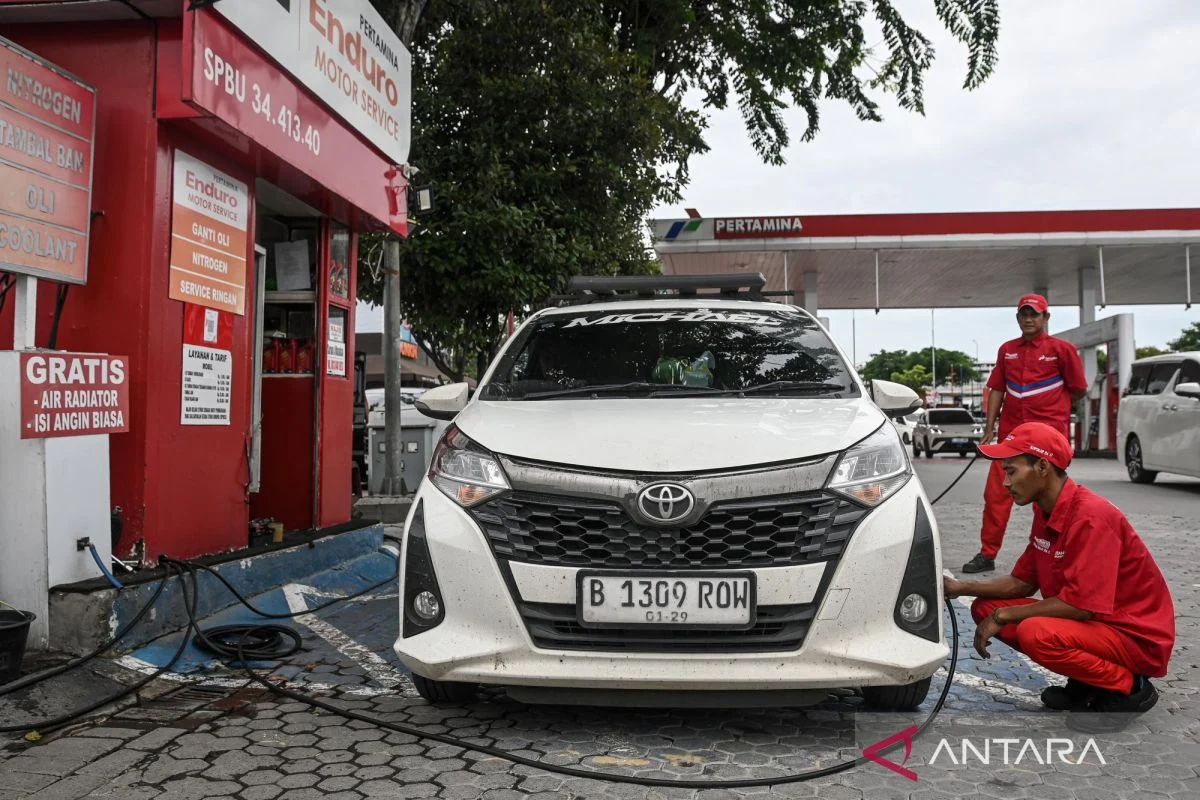
Vehicle safety and operational efficiency heavily depend on a component that drivers frequently overlook: proper tire inflation. While modern automotive engineering has advanced significantly, the humble pneumatic tire remains the primary point of contact between a multi-ton vehicle and the road surface. Maintaining optimal tire pressure is not merely a matter of fuel economy; it is a fundamental pillar of vehicular safety, handling precision, and structural longevity. Despite its critical importance, driving with under-inflated tires remains a pervasive issue among motorists worldwide, often going unnoticed until performance degradation compromises safety.
According to automotive safety data and leading tire manufacturers such as Michelin, operating a vehicle with insufficient tire pressure initiates a cascade of mechanical inefficiencies. Low pressure leads to increased rolling resistance, accelerated tread wear, and excessive internal heat generation caused by continuous sidewall flexing. Over time, these combined factors dramatically elevate the probability of catastrophic tire failure, blowouts, and loss of vehicle control.
To mitigate these risks before they escalate into dangerous on-road emergencies, automotive experts and safety organizations emphasize the necessity of early detection. Recognizing the subtle warning signs of under-inflation allows motorists to take corrective action, preserving both mechanical components and human lives.
The Hidden Mechanics of Under-Inflation
The primary danger of driving with low tire pressure lies in its deceptive nature. Unlike a completely flat tire, which renders a vehicle immobile, an under-inflated tire can maintain its general shape while failing to support the vehicle’s weight correctly. When air pressure drops below the manufacturer’s recommended threshold, the tire’s contact patch—the area touching the asphalt—distorts. The sidewalls bend more than intended, creating excessive internal friction.
This friction generates rapid heat accumulation, a primary catalyst for rubber degradation and structural separation within the tire plies. Furthermore, because the engine must work harder to overcome the increased rolling resistance of a flattened contact patch, fuel consumption rises noticeably. Consequently, drivers pay a financial penalty at the fuel pump while simultaneously exposing themselves to heightened accident risks.
Recognizing this phenomenon requires an understanding of how a compromised tire alters vehicle dynamics. Mechanics and safety inspectors categorize the physical and operational indicators of low tire pressure into seven distinct categories.
Seven Critical Warning Signs of Low Tire Pressure
1. Visual Deformation and Contact Patch Distortion
The most straightforward, albeit sometimes least reliable, indicator of low pressure is a visual change in the tire’s profile. When a tire lacks sufficient air, it sags under the weight of the chassis, causing the lower sidewall to bulge outward and the tread to flatten against the road.
However, industry experts caution against relying solely on visual inspections. Modern radial tires feature stiff sidewalls designed to mask minor pressure losses. A tire can easily lose twenty to thirty percent of its optimal pressure without appearing visibly deflated to the untrained eye. Therefore, visual checks must always be complemented by precise physical measurements using a calibrated pressure gauge.
2. Heavy or Sluggish Steering Response
Vehicle handling provides immediate tactile feedback regarding tire health. When front tires are under-inflated, the steering wheel often feels noticeably heavier and more resistant when executing turns or parking maneuvers. This heaviness occurs because the expanded contact patch increases the friction between the rubber and the road surface, requiring greater mechanical or hydraulic effort to pivot the wheels.
Nevertheless, drivers should exercise caution before jumping to conclusions. A heavy steering wheel can also signal failures in the power steering pump, low steering fluid levels, or alignment geometry issues. Corroborating this symptom with other indicators is essential for an accurate diagnosis.
3. Compromised Stability and Handling Dynamics
Vehicle stability relies heavily on uniform tire stiffness. When one or more tires lack proper inflation, the vehicle may exhibit unpredictable handling characteristics. Motorists frequently report a floating or wandering sensation, particularly when navigating high-speed curves, driving over uneven pavement, or executing sudden lane changes.
This instability stems from delayed response times in the tire’s shoulder blocks. When a maneuver is initiated, the under-inflated tire takes longer to transfer lateral loads, resulting in a lag between driver input and vehicle reaction. In emergency swerving scenarios, this delay can prove critical, increasing the risk of skidding or loss of directional control.
4. Unexplained Increases in Fuel Consumption
The laws of physics dictate that overcoming greater rolling resistance requires more energy. When a tire is under-inflated, its footprint widens, creating a drag effect that forces the engine to burn more fuel to maintain momentum.
Fleet management studies consistently demonstrate that systemic under-inflation reduces fuel efficiency by up to three percent for every psi (pound per square inch) drop below the recommended baseline across all four tires. If a motorist notices an inexplicable surge in fuel expenditures despite maintaining consistent driving habits and routes, checking tire pressures is a prudent diagnostic step alongside engine diagnostics.
5. Uneven Tread Wear Patterns
The lifespan of a tire is heavily dependent on how evenly its contact patch distributes vehicle weight across the road. Under-inflation shifts the load-bearing responsibilities away from the center of the tread and onto the outer shoulders.
Consequently, tires driven continuously with low pressure exhibit accelerated wear along both outer edges while the central grooves retain more depth. While edge wear is a hallmark of low pressure, motorists should note that similar asymmetrical wear patterns can result from incorrect
wheel alignment, worn suspension bushings, or improper wheel balancing. Professional inspection at a service center is recommended to pinpoint the root cause.
6. Excessive Heat Generation
Friction is the enemy of pneumatic rubber. As an under-inflated tire rolls, its sidewalls flex repeatedly and violently. This continuous mechanical flexing transforms kinetic energy into thermal energy, causing the internal temperature of the tire to skyrocket.
Driving at sustained high speeds or over long distances on under-inflated tires can push internal temperatures past the critical threshold where rubber compounds begin to delaminate. Motorists who suspect low pressure after a long drive should exercise extreme caution, avoiding direct skin contact with the tire surface, as extreme heat can cause severe burns.
7. Activation of the Tire Pressure Monitoring System (TPMS)
Modern automotive technology provides a direct digital safeguard against improper inflation in the form of the Tire Pressure Monitoring System (TPMS). Governed by safety regulations in many global jurisdictions, modern passenger vehicles feature sensors inside each wheel assembly or utilize ABS wheel-speed sensors to detect rotational discrepancies indicative of pressure loss.
When pressure drops significantly—typically twenty-five percent below the manufacturer’s specified placard value—an amber dashboard indicator resembling a cross-section of a tire with an exclamation point illuminates. While TPMS is an invaluable technological asset, drivers must remember that not all vehicles feature real-time pressure readouts, and an unlit dashboard is not a definitive guarantee of optimal inflation.
Chronology of Automotive Tire Safety Standards
The integration of proactive tire maintenance into mainstream motoring culture has evolved significantly over the past three decades. Understanding this timeline highlights the growing regulatory and industrial emphasis on tire health:
- Late 1990s: Growing awareness of rollover accidents linked to tire failure prompts extensive safety research by federal transportation agencies, establishing a clear link between under-inflation and catastrophic tread separation.
- 2000s: Legislative bodies mandate safety interventions. In the United States, the TREAD (Transportation Recall Enhancement, Accountability, and Documentation) Act is passed, eventually making Tire Pressure Monitoring Systems (TPMS) mandatory on all new passenger vehicles by the model year 2008.
- 2010s to Present: Global automotive markets adopt advanced indirect and direct TPMS technologies as standard equipment. Concurrently, regional authorities—such as regulatory bodies in California and the European Union—introduce progressive legislation regarding tire replacement standards, rolling resistance labeling, and mandatory minimum tread depths to curb environmental impact and enhance road safety.
Broader Implications and Economic Impact
The macroeconomic and environmental implications of widespread tire under-inflation extend far beyond individual vehicle maintenance. Industry analysts and environmental protection agencies have quantified the vast scale of resource wastage caused by improper inflation habits.
On a societal level, millions of gallons of fuel are wasted annually simply because vehicles operate on sub-optimally inflated tires. This unnecessary fuel consumption directly translates into higher greenhouse gas emissions, contributing to urban air pollution and global climate change. From an economic perspective, motorists collectively spend billions of dollars prematurely replacing tires that have suffered structural degradation, sidewall bruising, or uneven shoulder wear long before reaching their designed mileage limits.
Furthermore, highway safety statistics consistently rank tire-related incidents among the leading causes of non-collision motor vehicle accidents. Blowouts and sudden tread failures at highway speeds frequently trigger multi-car collisions, resulting in severe injuries, fatalities, and massive traffic congestion. By fostering a culture of routine preventative maintenance, public safety campaigns aim to significantly reduce these preventable tragedies.
Best Practices for Optimal Tire Maintenance
To counter the hidden dangers of under-inflation, automotive engineers and safety advocates recommend a disciplined maintenance routine. Adhering to these fundamental guidelines ensures maximum vehicle safety, longevity, and economic efficiency:
- Establish a Routine Inspection Schedule: Motorists should check their tire pressures at least once a month and invariably before embarking on long-distance highway journeys.
- Measure When Cold: Pressure checks must always be conducted when the tires are "cold"—meaning the vehicle has been stationary for at least three hours or has been driven less than a mile at low speeds. Driving generates heat, which causes air molecules to expand and falsely elevate pressure readings.
- Consult the Manufacturer Placard: Never rely on the maximum pressure stamped on the tire’s sidewall, which indicates the upper structural limit rather than the ideal operating pressure. Instead, refer to the official vehicle placard located on the driver’s door jamb, fuel filler flap, or owner’s manual.
- Inspect the Spare Tire: The often-forgotten spare tire requires periodic checks. Finding a flat spare during a roadside emergency defeats its entire purpose.
- Investigate Persistent Pressure Loss: If a specific tire repeatedly loses air pressure over a short period, it indicates an underlying issue. Motorists should promptly inspect the tread for embedded nails, check the valve stem for leaks, or examine the bead seating along the alloy rim.
Ultimately, maintaining correct tire pressure requires minimal time and financial investment compared to the steep costs of fuel inefficiency, premature tire replacement, and catastrophic road accidents. By recognizing the early warning signs and treating tire maintenance as an essential safety ritual, drivers can ensure a secure, efficient, and reliable journey every time they take to the road.