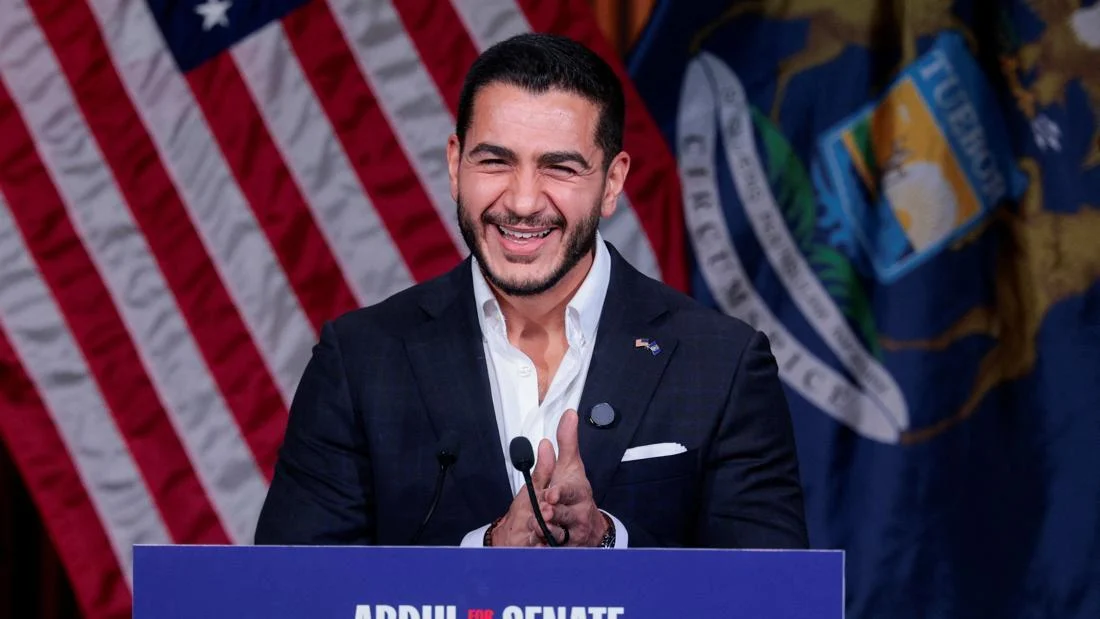
Washington — The political landscape of the United States experienced a profound demographic and ideological shift following the recent midterm elections, highlighted by historic victories that captured national and international attention. Among the wave of newly elected officials making their way to legislative halls, two figures emerged as symbols of unprecedented representation: Abdul El-Sayed, who secured a seat in the United States Senate to become the first Muslim senator in American history, and Aber Kawas, who broke barriers to become the first Palestinian-American woman elected to a state legislative body in New York.
These landmark triumphs occurred against the backdrop of a deeply polarized political climate, intense policy debates, and high-stakes campaigning that reflected the shifting priorities of an increasingly diverse electorate. As the new legislative sessions approach, the ascension of El-Sayed and Kawas signals a growing appetite for progressive representation and underscores the evolving identity of the American political system.
Historic Senate Victory in Michigan
The pathway to history in Michigan was defined by a fiercely contested and closely watched electoral battle. Abdul El-Sayed, a medical doctor and former public health official, emerged victorious in the race for the U.S. Senate seat vacated by the retiring Democratic Senator Gary Peters. El-Sayed successfully navigated a competitive Democratic primary before facing off against former Republican Representative Mike Rogers in the general election.
The race in Michigan took on heightened national significance given the state’s status as a critical political battleground—one that had been narrowly won by Donald Trump in the 2024 presidential election. Throughout the campaign, El-Sayed’s religious background became a central and recurring point of contention. President Donald Trump and various prominent figures within the Republican Party repeatedly targeted El-Sayed over his Islamic faith, attempting to link him to religious extremism. El-Sayed categorically rejected these characterizations, maintaining a focus on policy issues and community engagement.
Despite the intense scrutiny and opposition, El-Sayed secured a decisive victory, ensuring that the crucial Senate seat remained in the hands of the Democratic Party. Political analysts noted that his win in a swing state demonstrates that candidates with diverse backgrounds can successfully mobilize coalitions by focusing on economic populism and healthcare accessibility.
A Defiant and Triumphant Acceptance Speech
Celebrating his projected victory in Detroit during the early hours following election night, El-Sayed delivered an emotional address to a crowd of supporters. Rather than shying away from the attacks he faced during the campaign, he directly addressed top figures of the administration, including President Donald Trump and Vice President JD Vance.
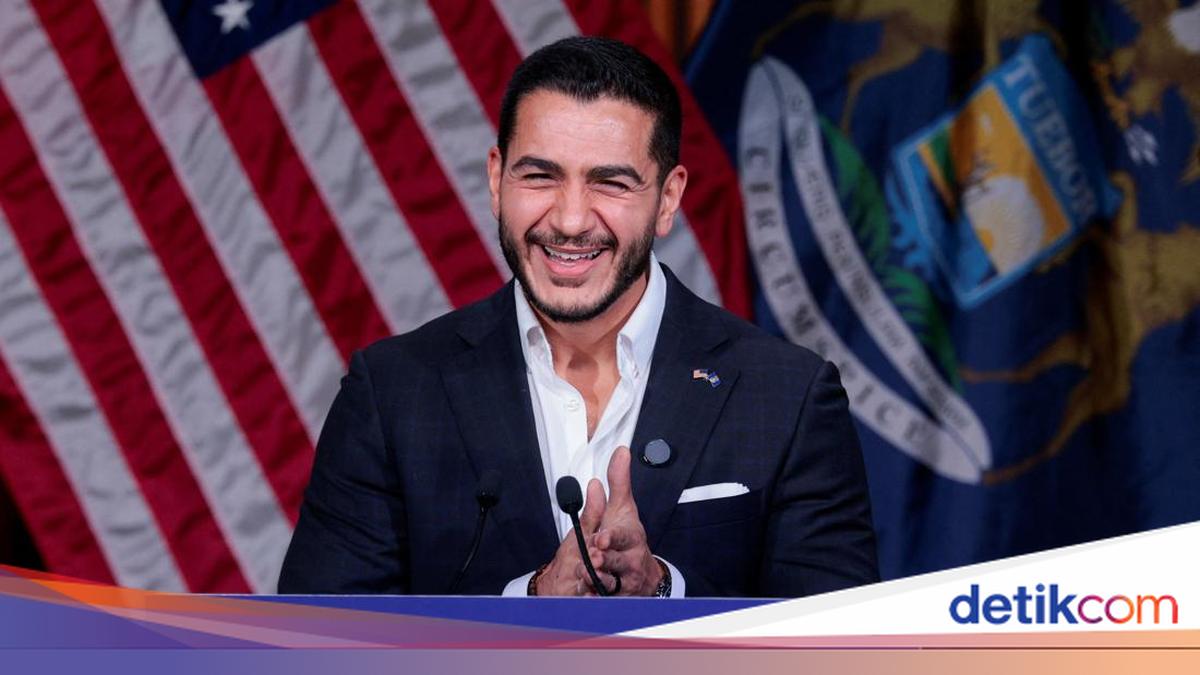
Addressing the audience, El-Sayed reflected on the core values of his campaign and extended an olive branch of public service to his constituents. "Michigan, I cannot wait to serve you with the open heart, open mind, resilience, and earnestness that you have shown to me," he declared.
Transitioning to a sharper tone regarding his political detractors, El-Sayed pointedly remarked on the constitutional mechanics of his upcoming swearing-in ceremony. Highlighting Vice President Vance’s constitutional duty to administer the oath of office to incoming senators in January, El-Sayed delivered a memorable retort. He also referenced President Trump’s public struggles with pronouncing his Arabic name during campaign rallies, telling the crowd that after Vice President Vance formally swears him in, the president will have no choice but to address him simply as "Senator."
El-Sayed’s policy platform centered heavily on three core tenets, frequently summarized in his campaign slogan: "Get money out of politics. Put money in your pocket. Healthcare for all." Throughout the race, he maintained pressure on his
opponent regarding economic policies, challenging Rogers over his defense of the Trump administration’s tariff strategies and potential trade conflicts with Canada, Michigan’s largest export partner. El-Sayed also criticized Rogers’ past foreign policy stances, arguing that support for military interventions in the Middle East had contributed to domestic economic pressures, including volatile fuel prices.
Breaking Barriers in New York: Aber Kawas
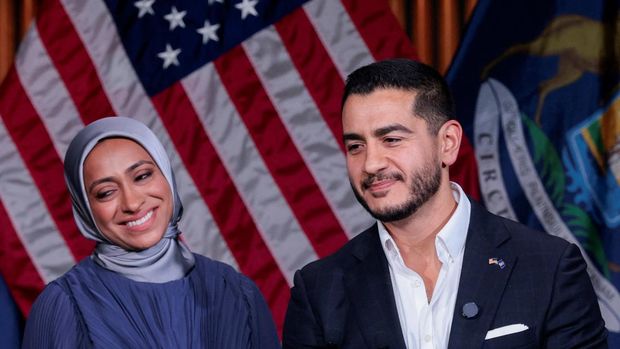
While El-Sayed made history on the federal level, the New York state elections produced a similarly groundbreaking milestone. Aber Kawas captured the attention of the nation by securing a resounding victory in the New York state legislature, winning approximately 75 percent of the vote as the count neared 90 percent completion.
At 34 years old, Kawas achieved a historic first as the initial hijabi, Palestinian-American woman elected to the New York state legislature. Her victory places her among a small yet growing cadre of Palestinian-Americans holding elected office at the state level across the United States. Following the confirmation of her victory, Kawas took to social media, sharing a concise message on X that resonated deeply with her supporters: "We have made history."
Kawas campaigned under the defining slogan "fund dignity, fight devastation." In her platform, "fund dignity" encapsulated her legislative priorities regarding universal healthcare, the expansion of fast and reliable public transportation, and the development of accessible, affordable housing. Conversely, "fight devastation" addressed her commitment to combating climate change, protecting immigrant communities, and opposing military spending.
As a member of the Democratic Socialists of America (DSA), Kawas’s victory reflects the continuing momentum of progressive and democratic socialist candidates within urban political centers. This faction of the Democratic Party has experienced notable electoral successes in recent years, propelled by figures such as Zohran Mamdani in New York City politics. Kawas’s campaign also drew substantial backing from prominent progressive leaders, including Senator Bernie Sanders, Congresswoman Rashida Tlaib, and Mamdani.
Background Context and Electoral Chronology
The 2026 midterm elections occurred against a complex sociopolitical backdrop in the United States. Following the 2024 presidential election, which returned Donald Trump to the White House and resulted in divided control across various state and federal legislative bodies, political engagement surged nationwide.
Months prior to the November 3 general election, both El-Sayed and Kawas faced rigorous primary contests. For El-Sayed, securing the Democratic nomination in Michigan required uniting a diverse coalition of urban voters in Detroit and surrounding progressive suburbs, while overcoming skepticism among moderate factions of the party. Kawas similarly built a grassroots coalition in New York, tapping into working-class communities and progressive advocacy groups that emphasized local economic relief and social justice.
The convergence of these historical milestones on November 3, 2026, highlighted a broader generational and demographic shift within the American electorate. Observers noted that the inclusion of Muslim and Palestinian-American voices in prominent legislative roles signifies a maturing multicultural democracy, where candidates are increasingly able to bridge cultural identities with mainstream policy platforms.
Implications and Broader Impact
The entry of Abdul El-Sayed into the United States Senate and Aber Kawas into the New York state legislature carries profound implications for American governance and domestic policy debates.
At the federal level, El-Sayed’s presence in the Senate introduces a unique voice to legislative deliberations concerning public health, economic inequality, and foreign policy. Given his background as an epidemiologist and former health official, El-Sayed is expected to play a prominent role in healthcare policy discussions, particularly regarding the ongoing push for universal coverage and healthcare reform. Furthermore, his status as the first Muslim senator provides symbolic representation for millions of American Muslims, potentially reshaping how minority communities engage with federal institutions.
In New York, Kawas’s legislative tenure will test the viability of democratic socialist policy frameworks at the state level. Her emphasis on housing affordability, environmental protection, and transit modernization aligns with the pressing urban concerns facing constituents in New York. Her collaboration with established progressive leaders is expected to bolster the influence of the left wing within the state’s legislative caucuses.
Beyond policy specifics, the historic achievements of El-Sayed and Kawas serve as a testament to the changing contours of political participation in the United States. By successfully countering identity-based attacks with disciplined messaging centered on economic security and civic duty, both lawmakers have established a new precedent for future candidates from historically underrepresented backgrounds. As Congress and state legislatures prepare to convene in January, the impact of these trailblazing figures will undoubtedly shape the trajectory of American politics for years to come.