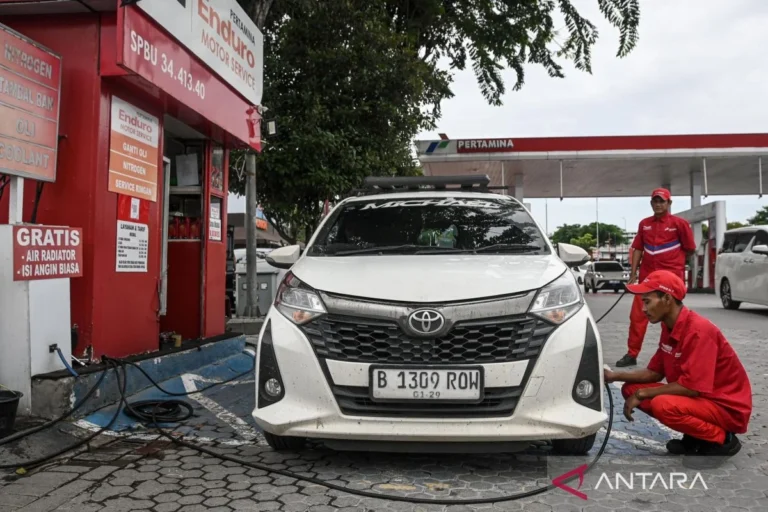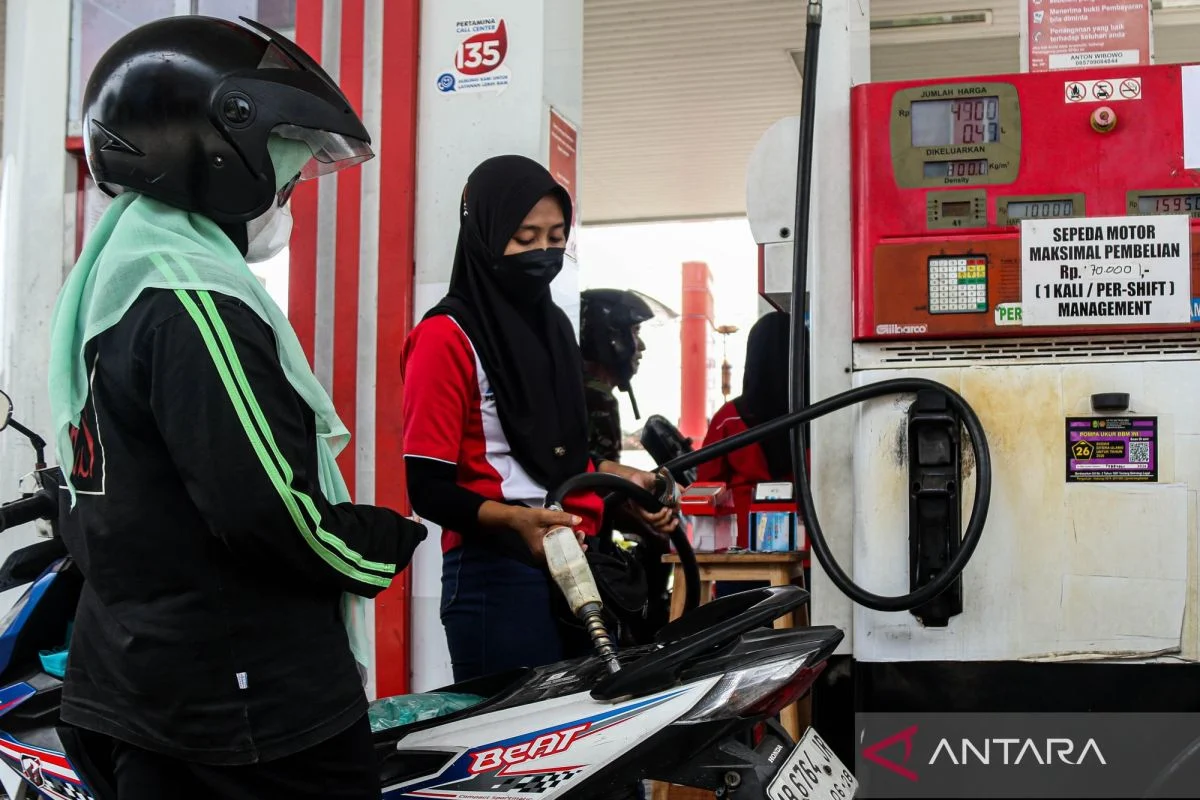
Selecting the correct type of fuel for a motor vehicle involves much more than simply calculating immediate out-of-pocket expenses at the service station. For millions of motorists across Indonesia, the choice between subsidized and non-subsidized gasoline—specifically between Pertalite (Research Octane Number 90) and Pertamax (Research Octane Number 92)—remains a frequent topic of debate. Produced by the state-owned energy enterprise PT Pertamina (Persero), Pertamax is engineered to meet the operational demands of modern internal combustion engines requiring a higher resistance to self-ignition. However, a common misconception persists among drivers that upgrading to a higher octane rating automatically translates into superior horsepower, maximized fuel economy, and absolute engine longevity across all vehicle types. Automotive engineers and fuel technology experts consistently emphasize that the efficacy of any fuel is inextricably linked to the precise design parameters established by original equipment manufacturers (OEMs).
To fully understand the role of RON 92 gasoline in modern transportation, one must examine the fundamental science of fuel octane ratings and engine compression. The Research Octane Number measures a fuel’s capacity to resist "knocking" or detonation—a phenomenon where the air-fuel mixture in the combustion chamber ignites prematurely due to excessive heat and pressure rather than the controlled spark of the spark plug. When an engine designed for high compression ratios operates on fuel with an inadequate octane rating, abnormal combustion occurs, generating audible metallic pinging sounds and subjecting vital internal components, such as pistons and cylinder walls, to severe mechanical stress. Over extended periods, chronic engine knock can degrade structural integrity, diminish overall thermal efficiency, and lead to costly mechanical failures. Pertamax, formulated at RON 92, provides the necessary anti-knock buffer for powerplants specifically calibrated for this threshold, effectively stabilizing the combustion cycle under demanding operating conditions.
The historical evolution of Indonesia’s fuel retail market provides critical context to contemporary consumer habits. Over the past two decades, tightening global vehicle emissions standards and the rapid influx of high-compression, turbo-charged, and direct-injection engines into the domestic market have dramatically shifted fuel requirements. Government regulations and environmental mandates have progressively encouraged the adoption of cleaner, higher-octane fuels to curb vehicular carbon emissions and protect sophisticated engine technologies. In response, Pertamina has continually refined its product portfolio, introducing specialized additive packages into fuels like Pertamax to address the maintenance challenges associated with modern urban driving, characterized by frequent stop-and-go traffic and idling.
Despite the technical advantages of RON 92 fuel, industry analysts and automotive mechanics frequently caution against the generalized assumption that higher octane equates to universal performance gains. If an automobile’s powertrain is factory-engineered to run optimally on RON 90 fuel, switching to Pertamax will not necessarily unlock latent horsepower or deliver breakthrough fuel efficiency. Modern engine control units (ECUs) are equipped with sophisticated knock sensors that actively adjust ignition timing. If a lower-octane fuel is detected, the ECU retards the ignition timing to prevent knocking, which may slightly reduce peak power output. Conversely, filling a RON 90-optimized engine with RON 92 allows the engine to run within its standard design parameters without offering additional chemical energy that the engine’s compression ratio cannot utilize. Consequently, any perceived performance surge is often psychological rather than mechanical.
Beyond anti-knock properties, fuel manufacturers heavily market the inclusion of specialized detergent and anti-rust additives in premium gasoline formulations. Pertamax incorporates proprietary additive packages designed to clean fuel injectors, intake valves, and combustion chamber surfaces while preventing corrosive oxidation within the fuel delivery system. In theory, maintaining pristine component cleanliness ensures optimal fuel atomization and spray patterns, which are vital for efficient combustion and lower tailpipe emissions. However, automotive experts note that while these additives assist in preventative maintenance, they do not replace routine mechanical servicing. Spark plug replacements, oil changes, air filter maintenance, and regular injector servicing remain indispensable for sustaining long-term engine health, regardless of the fuel brand utilized.
Evaluating fuel economy further complicates consumer decision-making. While optimal combustion efficiency achieved through the correct matching of fuel octane and engine compression can theoretically maximize mileage, real-world fuel consumption is governed by a multitude of external variables. Traffic congestion, driving style, tire inflation pressure, vehicle load weight, and topography exert far greater influence on fuel economy than minor variations in fuel grade. Independent automotive studies consistently demonstrate that aggressive acceleration and excessive idling waste significantly more fuel than the marginal differences found between running RON 90 and RON 92 in compatible engines. Therefore, motorists seeking to optimize monthly operational expenditures are advised to focus on comprehensive vehicle maintenance and efficient driving habits rather than relying solely on fuel upgrades.
Industry stakeholders, including automotive engineering associations and consumer advocacy groups, continually reinforce the importance of adhering strictly to manufacturer guidelines found in vehicle owner manuals. These manuals clearly state the minimum RON requirement mandated for optimal performance and emissions control. Regulatory bodies and energy ministries also emphasize the broader economic implications of fuel subsidies and market distribution, reminding the public that choosing the appropriate fuel grade supports both personal household budgeting and national energy efficiency targets. Ultimately, an informed approach to selecting between Pertalite and Pertamax relies on technical specifications rather than generalized marketing myths, ensuring that vehicles operate at peak efficiency throughout their operational lifecycles.