
Jakarta, Indonesia — As unpredictable seasonal transitions and extreme weather fluctuations continue to grip regions worldwide, public health experts are noting a sharp uptick in seasonal ailments, fatigue, and workplace absenteeism. In recent months, populations have been forced to rapidly adapt to sudden shifts in temperature and barometric pressure, which inherently weaken the human body’s physiological defenses. When the immune system is compromised by chronic stress or environmental stressors, individuals become significantly more susceptible to common pathogens, leading to widespread illness and decreased daily productivity.
To combat these seasonal health vulnerabilities, medical professionals and nutritional scientists emphasize the critical importance of maintaining a robust immune defense through targeted dietary intake and, when necessary, high-quality supplementation. Ensuring an optimal intake of specific vitamins and minerals is no longer merely a wellness trend, but a fundamental physiological necessity for surviving rapid climate and weather shifts.
The Physiological Impact of Weather Transitions on Human Immunity
The human immune system is a complex network of cells, tissues, and organs that work in unison to defend the body against foreign invaders such as bacteria, viruses, and fungi. However, sudden drops or spikes in temperature can temporarily suppress immune function. Mucosal membranes in the respiratory tract, which act as the body’s first line of defense against airborne pathogens, dry out and become less effective in colder or rapidly changing air.
Furthermore, altered lifestyle habits during extreme weather—such as spending less time outdoors, reduced physical activity, and changes in dietary patterns—can deplete essential nutrient stores. Epidemiological data from various health organizations indicate that hospital visits for upper respiratory tract infections typically surge by 20 to 30 percent during transitional weather periods, highlighting the urgent need for proactive nutritional defense strategies.
Essential Vitamins and Minerals for Immune Resilience
To prepare the body for environmental stressors, health authorities recommend focusing on a specific suite of micronutrients. Each plays a distinct, scientifically proven role in modulating and enhancing immune responses.
- Vitamin A: Strengthening Mucosal Barriers
Vitamin A is a fat-soluble nutrient that is indispensable for maintaining the structural and functional integrity of mucosal surfaces throughout the body, including the respiratory, urinary, and intestinal tracts. These moist barriers trap pathogens before they can enter the bloodstream. Additionally, vitamin A supports the proliferation and efficacy of white blood cells, which hunt down and neutralize infections.
Dietary Sources: To maintain adequate levels, individuals should incorporate dairy products such as milk and yogurt, whole eggs, fatty fish, and carotenoid-rich plant foods like carrots, spinach, and broccoli into their daily meals.
- Vitamin B6: Fueling Cellular Defense Mechanisms
Operating behind the scenes of the immune response, vitamin B6 is vital for biochemical reactions in the immune system. Its primary responsibility is the production and maturation of white blood cells and T-cells—specialized lymphocytes that identify, combat, and remember foreign pathogens such as viruses and bacteria. A deficiency in vitamin B6 has been directly correlated with diminished antibody production and weakened immune responses.
Dietary Sources: Beyond standard supplementation, vitamin B6 can be readily obtained from legumes, beef, salmon, tuna, and soy-based products like tofu.
- Vitamin C: The Master Antioxidant
Perhaps the most widely recognized immune-boosting nutrient, vitamin C functions as a powerful antioxidant that protects cellular components from oxidative stress caused by free radicals and environmental toxins. By neutralizing these harmful molecules, vitamin C reduces systemic inflammation and enhances the scavenging capacity of phagocytes, the cells that ingest harmful bacteria.
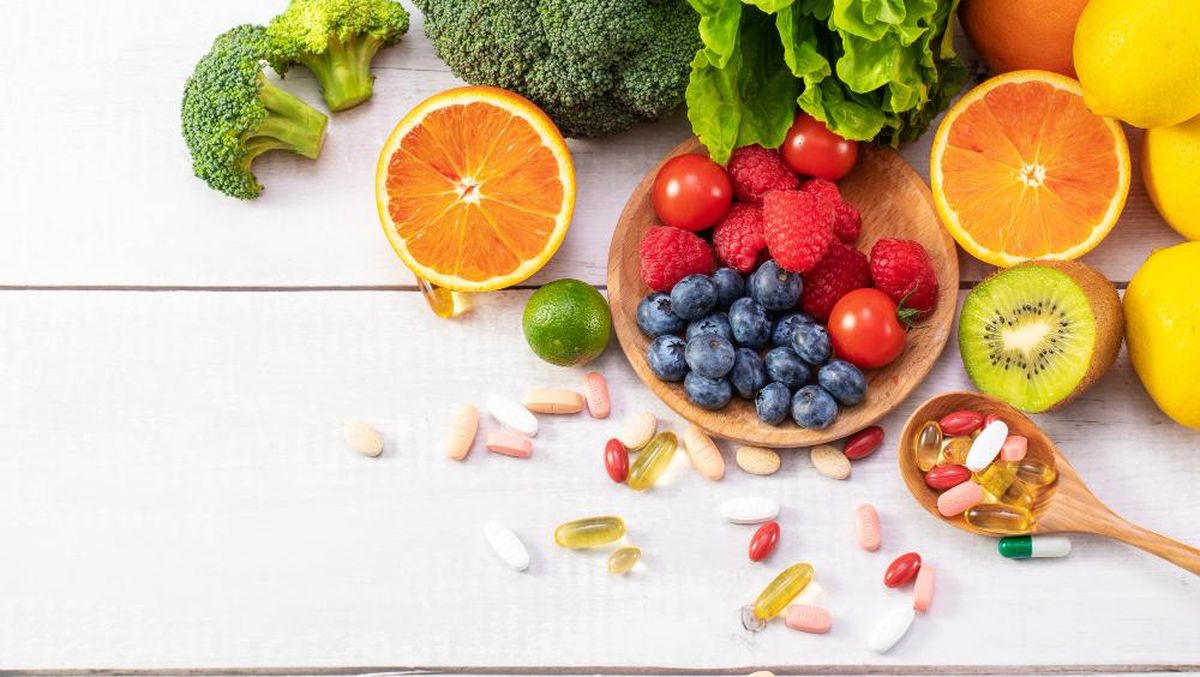
Dietary Sources: Citrus fruits (such as oranges, lemons, and grapefruits), bell peppers, and leafy greens like kale are exceptional dietary sources of ascorbic acid.
- Vitamin D: The Immunomodulator
Long celebrated for its role in calcium absorption and bone density, vitamin D has emerged in recent years as a critical immunomodulator. According to clinical insights published by institutions such as the Cleveland Clinic, vitamin D receptors are present on nearly all immune cells. Research demonstrates that adequate vitamin D levels can inhibit the replication rate of respiratory viruses, mitigate excessive inflammatory responses (such as the dangerous cytokine storms associated with severe infections), and stimulate the production of pathogen-fighting peptides.
Dietary Sources and Synthesis: While the human body synthesizes vitamin D naturally upon exposure to ultraviolet B (UVB) rays from morning sunlight, dietary supplementation is often necessary during darker, colder months. Natural food sources include fatty fish (mackerel, salmon, and sardines), egg yolks, mushrooms, and fortified juices.
- Vitamin E: Enhancing T-Cell Efficiency
As another potent lipid-soluble antioxidant, vitamin E plays a specialized role in protecting cell membranes from oxidative damage. Within the immune system, vitamin E is essential for maintaining the optimal fluidity and function of T-cell membranes, ensuring that these cells can rapidly divide and mount an aggressive defense against newly introduced infections.
Dietary Sources: Nuts and seeds—particularly sunflower seeds and almonds—alongside avocados and broccoli, provide rich concentrations of vitamin E.
- Zinc: The Gatekeeper of Immunity
Zinc is an essential trace mineral that exhibits both direct anti-inflammatory and antioxidant properties. Immunologists frequently refer to zinc as the "gatekeeper" of the immune system because it is required for the normal development and signaling of immune cells. A shortage of zinc can impair macrophage function, reduce natural killer cell activity, and leave the body vulnerable to prolonged illnesses.
Dietary Sources: Oysters and other shellfish, lean cuts of beef, and pumpkin seeds are among the most bioavailable sources of dietary zinc.
- Selenium: Regulating the Immune Response
Selenium is a powerful trace mineral that works synergistically with vitamin E to protect cells from oxidative stress. Crucially, selenium acts as an immunological brake; it not only activates the immune system in the presence of a threat, but it also signals the system to stand down once the threat has been neutralized. This regulatory function prevents chronic low-grade inflammation and protects the body against autoimmune disorders such as rheumatoid arthritis and psoriasis.
Dietary Sources: Selenium is abundantly found in marine fish like tuna and halibut, as well as in dairy products like cottage cheese.
Expert Analysis and Broader Implications
Public health analysts emphasize that relying solely on reactive treatments—such as taking medication only after symptoms appear—is insufficient in the face of escalating global climate unpredictability. Nutritionists advocate for a preventative lifestyle model, where micro-nutrition is treated as a continuous, foundational pillar of healthcare.
Epidemiological studies consistently show that populations with widespread micronutrient deficiencies experience higher rates of chronic illness, longer recovery times from acute infections, and a greater economic burden due to lost workdays. By bridging the nutritional gap through balanced diets rich in whole foods and targeted supplementation when dietary intake falls short, individuals can significantly enhance their physiological resilience.
Ultimately, as weather patterns become increasingly erratic due to global environmental shifts, empowering the public with accurate nutritional science is a vital step toward building a more resilient, healthier society capable of withstanding the biological challenges of a changing world.