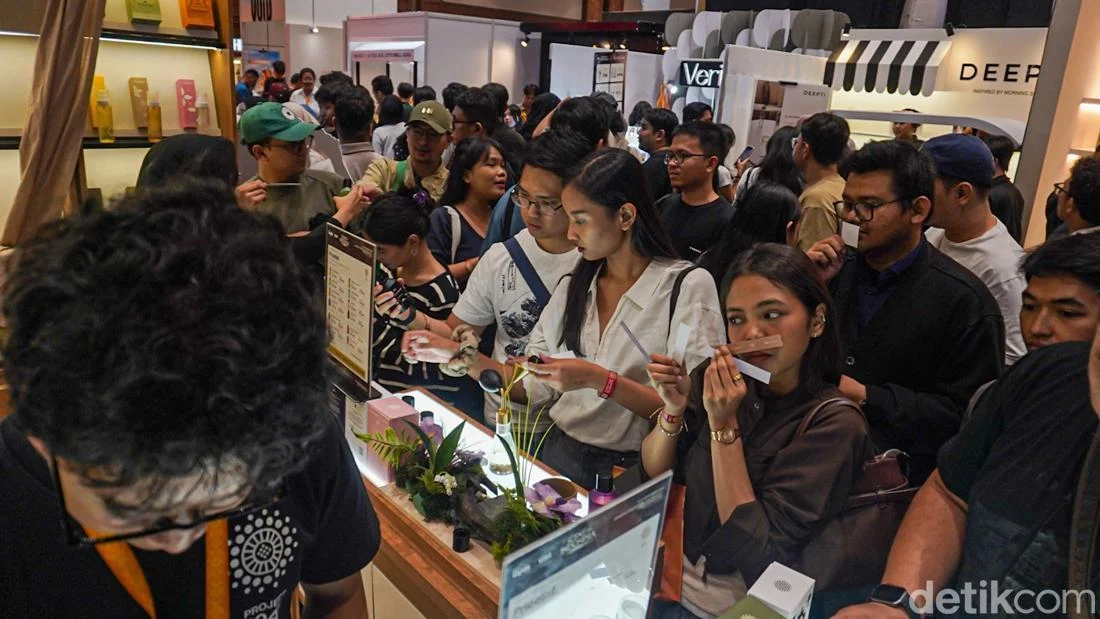
The Jakarta International Convention Center (JICC) in Senayan became the epicenter of the nation’s burgeoning fragrance industry this Saturday, November 7, 2026, as the "Scent of Indonesia" exhibition opened its doors to thousands of enthusiasts. The event, which serves as a landmark showcase for the domestic beauty and fragrance sector, brought together more than 90 local brands under one roof. The exhibition stands as a testament to the rapid evolution of Indonesian perfumery, moving from niche artisanal workshops to sophisticated, competitive enterprises that are increasingly capturing the attention of both local consumers and international observers.
A Vibrant Showcase of Innovation and Identity
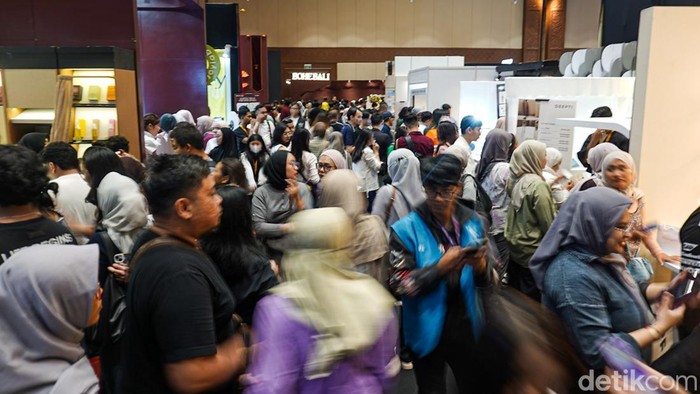
From the moment the doors opened at the JICC, the atmosphere was charged with the olfactory symphony of diverse scent profiles, ranging from earthy, archipelago-inspired notes to modern, minimalist compositions. The exhibition hall was transformed into a sensory labyrinth where visitors could navigate through the evolving landscape of Indonesian scent design.

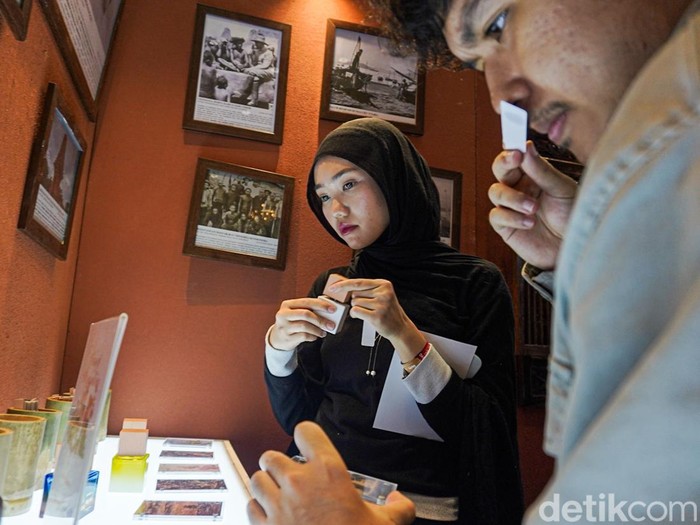
The aesthetic presentation of the brands was as diverse as the fragrances themselves. Several exhibitors opted for vibrant, high-contrast packaging to appeal to the younger, social-media-savvy demographic, while others leaned into a "quiet luxury" aesthetic. This included the use of heavy, high-grade glass bottles, minimalist typography, and sophisticated acrylic displays that emphasized the premium nature of the formulations. One particularly notable installation featured the use of traditional bamboo as holders for scent blotters, a creative nod to local heritage that seamlessly integrated Indonesian cultural identity with contemporary product design.
The Rise of the Indonesian Fragrance Economy
The success of Scent of Indonesia is not an isolated phenomenon but rather a reflection of broader shifts in the Indonesian consumer market. Over the past five years, the local fragrance industry has experienced a significant compound annual growth rate (CAGR), driven by an emerging middle class that is increasingly interested in personal grooming, self-expression, and the "premiumization" of daily rituals.
According to industry analysts, the domestic fragrance market in Indonesia has expanded as consumers shift away from mass-market imported scents toward locally produced alternatives that offer better value for money and, crucially, scents tailored to the tropical climate. Many local perfumers have begun utilizing indigenous ingredients—such as patchouli, sandalwood, and various tropical flora—to create unique profiles that resonate more deeply with the local palate. This shift has enabled local brands to position themselves as direct competitors to international designer houses, providing high-quality concentrations (Eau de Parfum and Extrait de Parfum) at accessible price points.
Chronology of the Local Perfume Boom
The ascent of the local perfume movement can be traced back to the post-pandemic recovery period. In 2022 and 2023, the industry saw a surge in "micro-perfumeries," where independent creators began selling small-batch, handcrafted scents through digital marketplaces. By 2024, the success of these early adopters led to increased venture capital interest and better manufacturing capabilities, allowing brands to scale their operations.
The Scent of Indonesia exhibition serves as the current peak of this trajectory. Following the initial success of smaller pop-up markets in Jakarta’s shopping districts, the decision to host a dedicated, large-scale convention at the JICC signifies the industry’s graduation to a mature economic sector. The event organizers noted that the turnout for this year’s edition surpassed initial expectations, with early data suggesting that the retail volume generated within the first few hours of the event significantly exceeded the daily targets set by participating vendors.
The Science and Art of the Consumer Experience
At the heart of the event was the engagement between the perfumers and the public. Throughout the venue, the rhythmic sound of spritzing and the sight of visitors intently analyzing scent blotters created an immersive, laboratory-like environment. The "blotter culture"—the practice of testing fragrances on paper strips to observe the evaporation of top, heart, and base notes—was central to the consumer experience.
Many of the 90-plus brands present offered interactive workshops, allowing attendees to learn about the alchemy behind their favorite scents. These sessions covered topics ranging from the sourcing of raw materials to the chemical balancing required to ensure longevity in the humid Indonesian climate. For the brands, these interactions are invaluable; they provide direct feedback loops that allow developers to refine their future releases based on consumer preferences for specific scent families, such as woody, gourmand, or floral-aquatic.
Economic and Industry Implications
The implications of this exhibition extend far beyond the retail floor. The professionalization of the local fragrance industry suggests a shift in Indonesia’s position within the global beauty supply chain. Traditionally, Indonesia has been a major exporter of raw fragrance ingredients, such as patchouli oil and vetiver. However, the current trend indicates a pivot toward "value-added" production—moving from exporting raw materials to exporting finished, branded goods.
Experts attending the event highlighted that if this growth trajectory continues, Indonesia could emerge as a regional hub for fragrance manufacturing in Southeast Asia. This would require continued support in terms of regulatory streamlining, improved supply chain infrastructure for fragrance-grade alcohol and fixatives, and sustained investment in professional perfumery training.
Perspectives from the Industry
While official statements from brand owners focused on the joy of community and the pride of local craftsmanship, the underlying narrative was one of robust business expansion. Representatives from several prominent local houses noted that the high footfall at Scent of Indonesia is a strong indicator of "brand loyalty" forming among the domestic audience.
"We are no longer just selling a scent; we are selling a lifestyle and an identity," one brand founder remarked during the exhibition. "The consumers here today are educated, they know their notes, and they are demanding quality that rivals what they see in international stores. The local industry has finally reached a point where we can meet those demands consistently."
Challenges and Future Outlook
Despite the celebratory tone of the event, the industry faces structural challenges that will need to be addressed to ensure long-term viability. These include the volatility of raw material prices, the need for more rigorous quality control standards, and the intense competition within the crowded digital space. Furthermore, as these brands look to expand into international markets, they will face the hurdle of navigating global fragrance regulations, particularly regarding the use of specific synthetic compounds and labeling requirements.
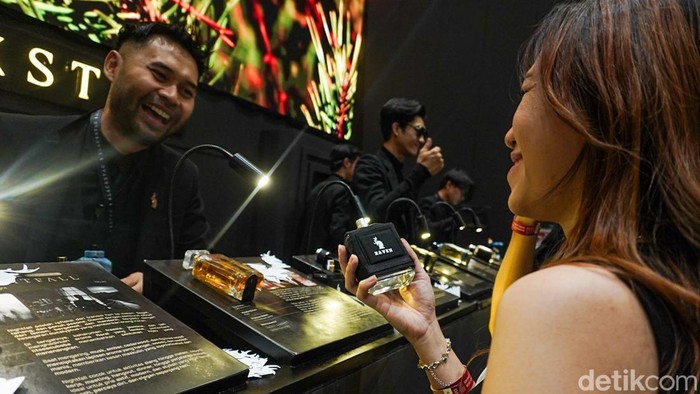
However, the sentiment at the JICC on Saturday was overwhelmingly optimistic. The sheer volume of attendees—ranging from seasoned collectors to first-time buyers—demonstrates that there is significant room for growth. As these brands refine their market positioning and continue to innovate in both scent formulation and brand storytelling, the "Scent of Indonesia" could soon become a recognizable marker of quality in the global beauty market.
Conclusion
As the sun set on the JICC in Jakarta, the final tally of visitors and the bustling activity at the booths confirmed that the fragrance industry is a major player in Indonesia’s creative economy. By successfully bridging the gap between traditional artisanal heritage and modern industrial manufacturing, the brands represented at this exhibition have secured a firm place in the hearts and homes of the Indonesian public. The success of this event is a powerful signal to investors, retailers, and international stakeholders that the local fragrance scene is not just a passing trend, but a maturing, dynamic sector poised for sustained success in the years to come. The Scent of Indonesia has effectively bottled the spirit of a nation, and the world is starting to take notice.