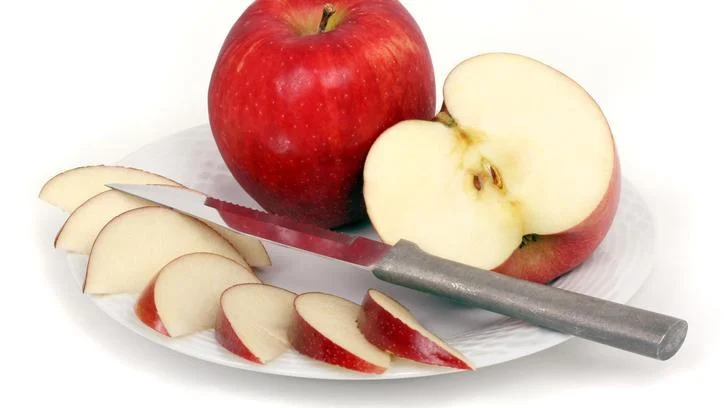
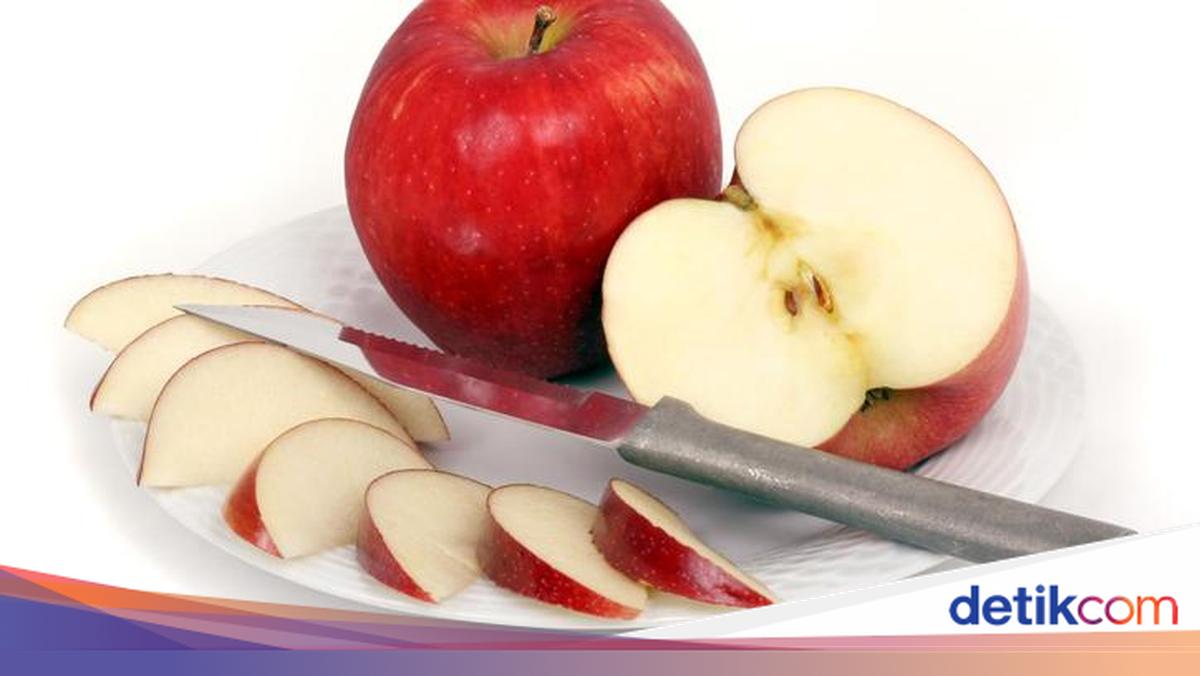
Apples are a staple in global diets, prized for their nutritional density and convenience. However, one of the most persistent challenges for both home cooks and the commercial food industry is the rapid oxidation that occurs once the fruit is sliced. When the flesh of an apple is exposed to air, the fruit undergoes an enzymatic browning process that alters its appearance from a crisp, pale white to an unappetizing brown. While this change is generally harmless to the consumer’s health, it remains a significant issue regarding food aesthetics and perceived freshness. Understanding the science behind this phenomenon is the first step toward implementing effective preservation techniques.
The Science of Enzymatic Browning
The transformation of apple flesh after cutting is not merely a matter of air exposure; it is a complex biochemical reaction. According to research cited by Christopher Watkins, a professor at Cornell University, the process is primarily driven by the interaction between phenolic compounds and an enzyme known as polyphenol oxidase (PPO). When an apple is sliced, the structural integrity of its cells is compromised, allowing PPO, which is stored in the cell’s plastids, to come into direct contact with the phenolic compounds found in the vacuoles.
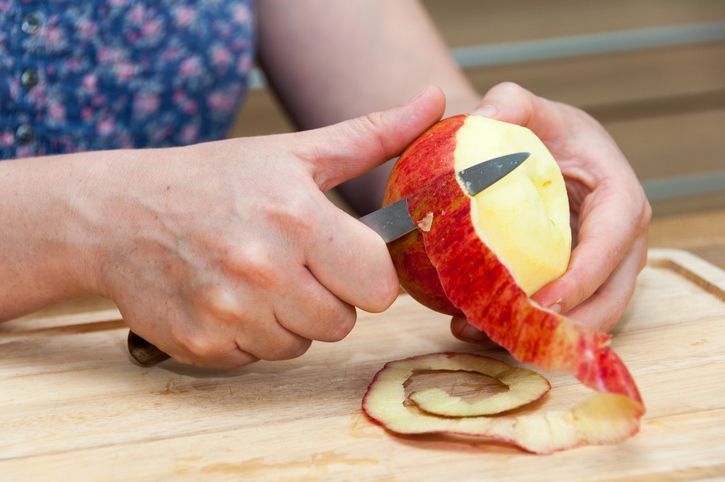
When these components meet and are subsequently exposed to atmospheric oxygen, the PPO catalyzes the oxidation of the phenols into o-quinones. These quinones then polymerize, creating a brown pigment known as melanin. This is the same compound responsible for skin pigmentation in humans, but in the context of fruit, it serves as a sign of degradation. For the food industry, this process represents a significant hurdle, as it necessitates the use of various additives or specialized handling to ensure that pre-packaged fruit maintains a "fresh-cut" appeal for retail sale.
Chronology and Evolution of Preservation Methods
Historically, the need to preserve sliced fruit has been a point of focus for food scientists dating back several decades. The commercialization of pre-cut apple slices began in earnest during the late 20th century as consumer demand for ready-to-eat, healthy snacks increased. During the 1990s and early 2000s, the industry saw the widespread adoption of anti-browning agents. Initially, these were simple acidic solutions, but they have evolved into sophisticated, food-grade coatings that provide a barrier against oxidation without significantly altering the flavor profile of the fruit.
For the domestic consumer, the timeline of discovery has moved from simple water immersion to more nuanced methods involving natural inhibitors like honey, salt, and citrus acids. Each method serves a specific purpose in either neutralizing the enzyme, creating a physical barrier, or altering the pH level to a range where PPO activity is significantly stifled.
Strategic Selection: The First Line of Defense
While chemical and physical interventions are effective, the most proactive strategy begins at the point of purchase. Not all apple varieties are created equal when it comes to oxidation resistance. Genetic differences in the concentration of phenolic compounds and the activity levels of the PPO enzyme vary significantly across cultivars.
Varieties such as Pink Lady, Empire, Cortland, and RubyFrost have been identified by agricultural researchers as having a higher resistance to rapid browning. Other varieties, including Ambrosia, Ginger Gold, and the increasingly popular EverCrisp, also demonstrate a delayed browning response. By selecting these specific cultivars, consumers can naturally extend the shelf life of their fruit without the need for additional processing. This selection process is a vital component of sustainable kitchen management, as it reduces food waste by ensuring the fruit remains visually appealing for a longer duration.
Physical Barriers: The Role of Water and Airtight Storage
The most fundamental method for preventing oxidation is the reduction of oxygen exposure. Submerging apple slices in cold water acts as a protective shield, limiting the interaction between the cut surfaces and the air. Professor Watkins emphasizes that this method is effective because it physically separates the reactive surfaces from the oxygen source.
To enhance this method, users should ensure the slices remain fully submerged. If the fruit tends to float, placing a clean paper towel on the surface can keep the slices pressed down. Following this, moving the fruit into an airtight container or a vacuum-sealed bag further minimizes the concentration of oxygen surrounding the fruit. However, caution is advised: while removing air is beneficial, long-term storage in an anaerobic environment can trigger fermentation. Therefore, these methods are best suited for short-term storage, typically ranging from a few hours to overnight.
Chemical Inhibition: Salt, Honey, and Acidic Solutions
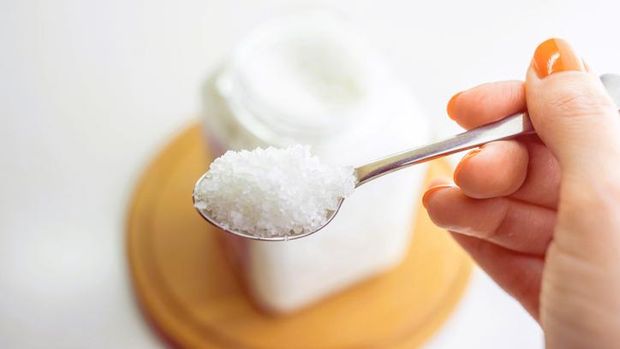
For those looking for more robust preservation, chemical inhibition is highly effective. The use of an 1/8 teaspoon of salt per cup of water creates a saline environment that can inhibit the PPO enzyme. This is a delicate balance, however; the fruit should only be soaked for one to three minutes to avoid the absorption of a salty flavor. A quick rinse with fresh water post-soaking is essential to maintain the fruit’s natural taste.
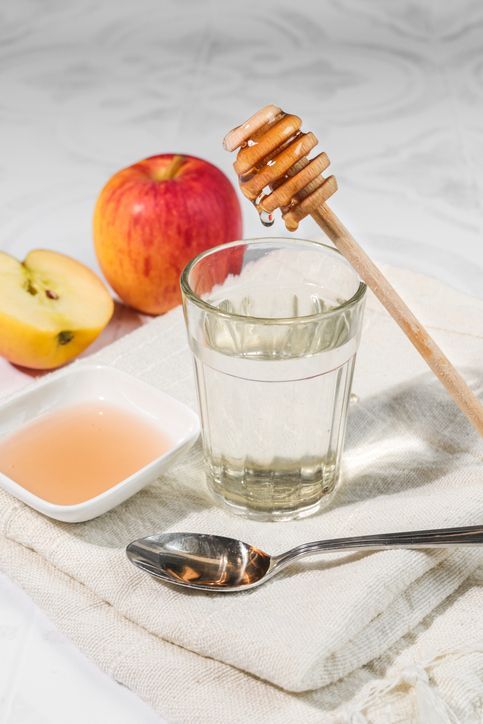
Honey serves as a similarly effective alternative. By mixing two tablespoons of honey with a cup of water, the user creates a solution that naturally inhibits the oxidation process. Unlike salt, the residual sweetness of the honey may be considered a benefit rather than a drawback, depending on the intended use of the apples.
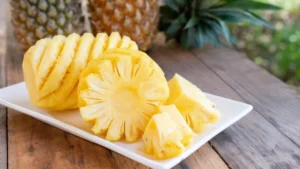
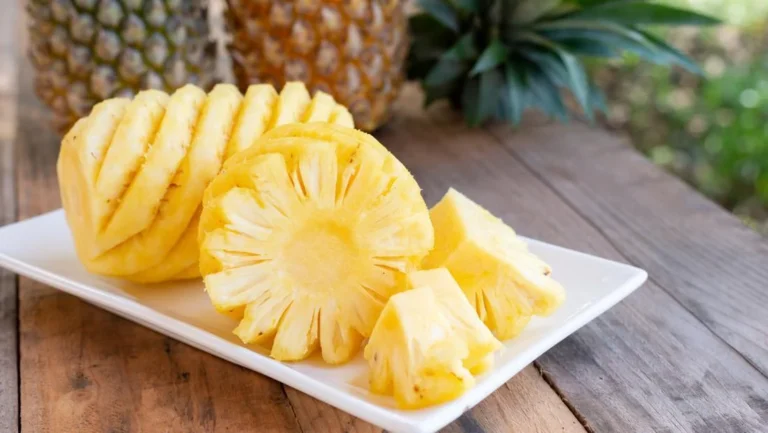
Perhaps the most recognized method is the application of vitamin C-rich ingredients. Lemon juice, lime juice, or pineapple juice contain ascorbic acid and citric acid. These compounds act as antioxidants, effectively donating electrons to the quinones, which halts the browning process before it can progress to the formation of melanin. This is a standard practice in commercial fruit processing, where ascorbic acid is often sprayed onto fruit slices before packaging.
Implications for Modern Food Consumption
The broader implications of these techniques extend beyond simple home convenience. As the global push for healthier snack options continues to grow, the ability to effectively preserve the quality of fresh produce is essential. Reduced food waste has a positive impact on both household economics and environmental sustainability.
From an industry perspective, the research surrounding PPO inhibition continues to evolve. Recent advancements in biotechnology have even led to the development of genetically modified "non-browning" apples, such as the Arctic Apple, which have been engineered to produce lower levels of the PPO enzyme. These developments highlight the ongoing effort to align the natural properties of produce with the demands of modern distribution chains.
Summary of Best Practices
To maintain the optimal quality of sliced apples, the following steps are recommended:
- Cultivar Selection: Opt for varieties like Pink Lady or EverCrisp when buying for the purpose of slicing.
- Immediate Treatment: Apply the chosen preservation method—whether it be a salt soak, honey rinse, or citrus juice—immediately after cutting to prevent the initial reaction from starting.
- Environmental Control: Store the treated fruit in a cool, dark place within an airtight container.
- Balance: Avoid over-soaking in salt or acid to prevent flavor alteration.
By integrating these scientific principles into daily food preparation, consumers can ensure that their fruit remains as vibrant and nutritious as the day it was picked. The transition from a simple kitchen hack to a science-backed preservation strategy underscores how small adjustments in handling can lead to significant improvements in the overall quality and enjoyment of fresh produce. As our understanding of the biochemical pathways of fruits continues to grow, so too will our ability to manage these natural processes, ultimately leading to a reduction in food waste and a higher standard of convenience in our daily diets.