
The Evolution of Customer Support in the Digital Age
Over the past decade, the integration of Artificial Intelligence (AI) and automated chatbot systems into customer support platforms has been driven by a desire for efficiency and cost reduction. According to industry reports, global investment in AI-driven customer service solutions is projected to reach billions of dollars annually as companies seek to handle thousands of concurrent queries without the overhead of human staffing.
Yet, as these systems become more prevalent, the potential for failure increases. These failures are rarely malicious; rather, they are often the result of poorly programmed logic gates, rigid script adherence, or the limitations of Natural Language Processing (NLP). When a system fails to recognize the emotional nuance of a user’s request—such as a complaint about a bereavement or a request for a time-sensitive refund—the resulting disconnect can lead to the viral, often humorous, exchanges currently circulating online.
Case Studies in Communication Breakdown
The documented instances of these interactions reveal several recurring patterns of failure that disrupt the consumer experience.
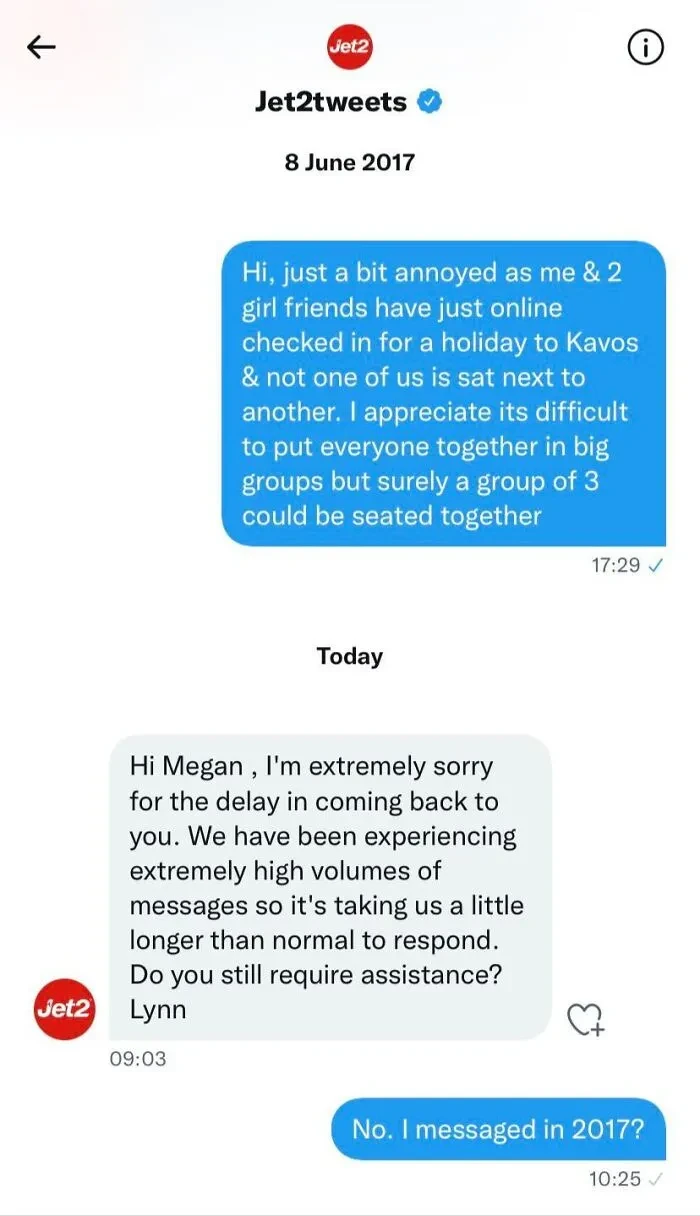
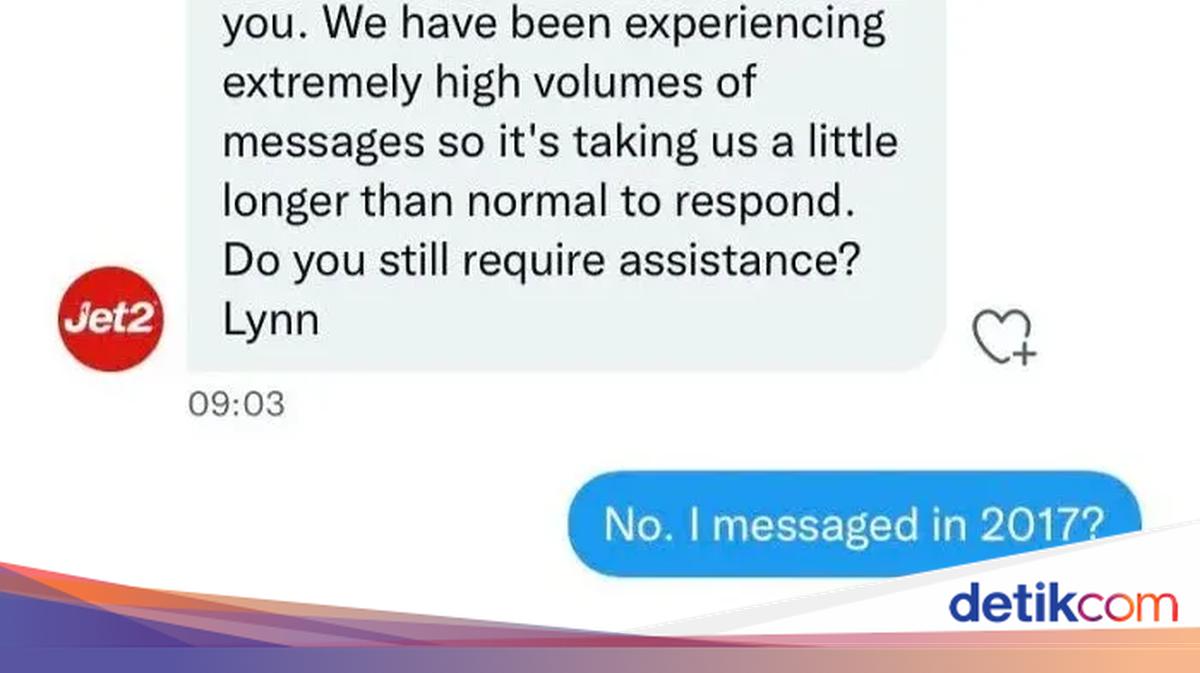
In one instance, a customer attempting to address a historical billing discrepancy was met with a generic, time-insensitive resolution process. The frustration here stems from the lack of contextual awareness within the support system, which treated a multi-year-old issue as a current, actionable query. This highlights a critical failure in data management, where the system fails to parse the temporal context of a ticket.
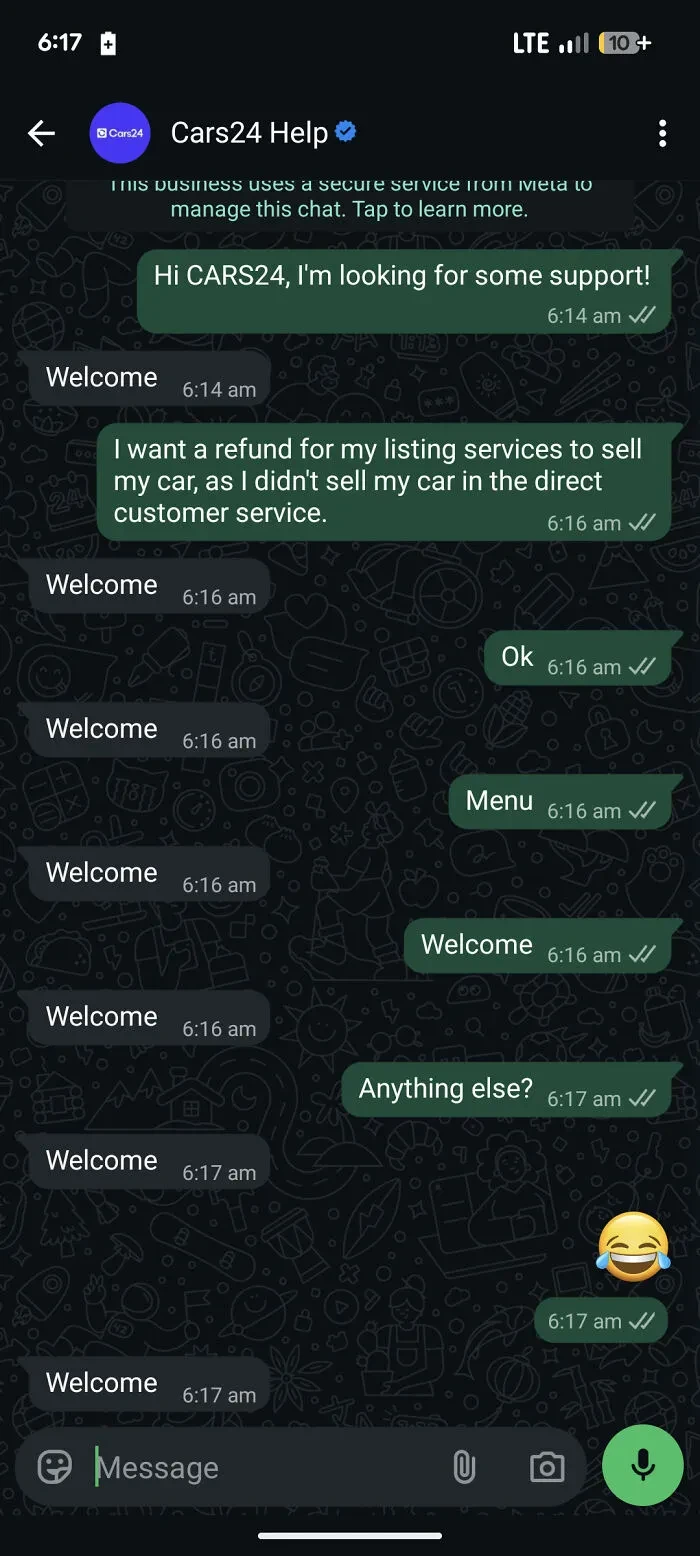
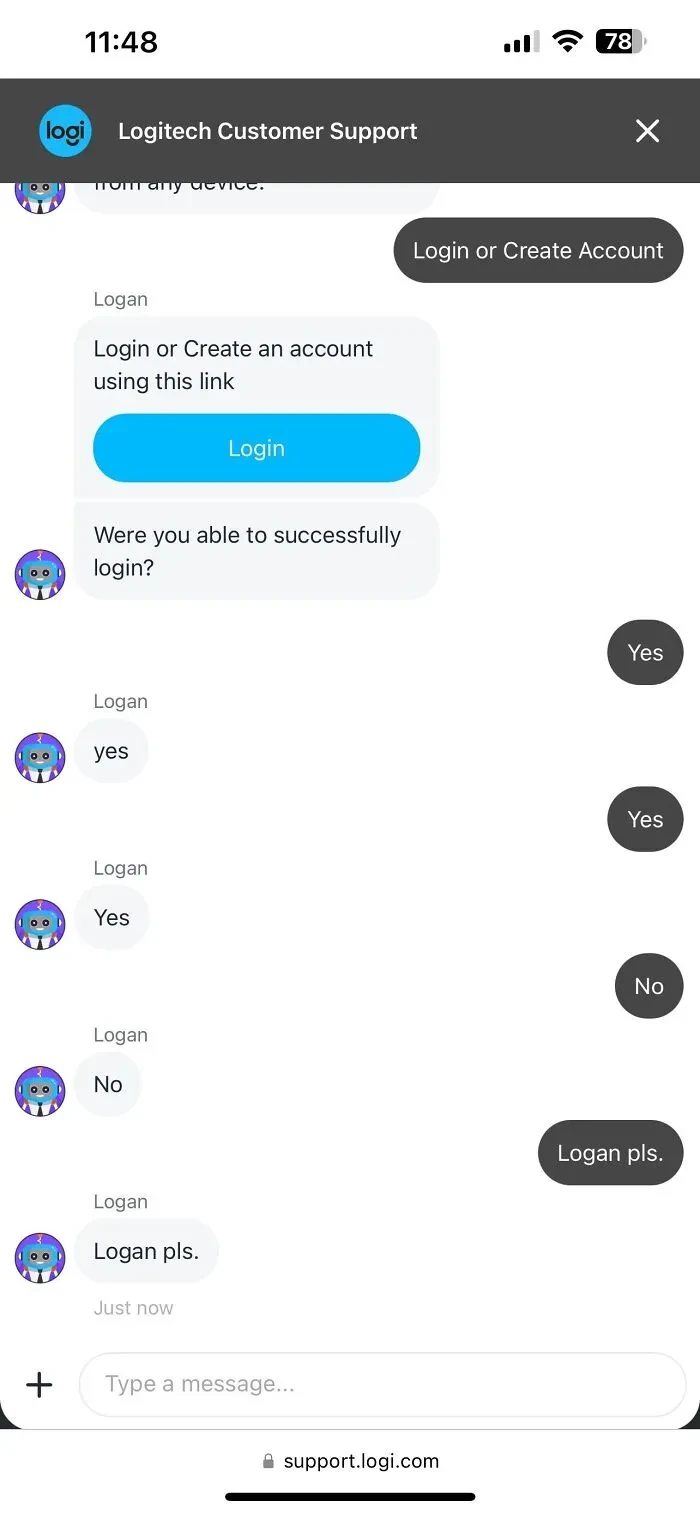
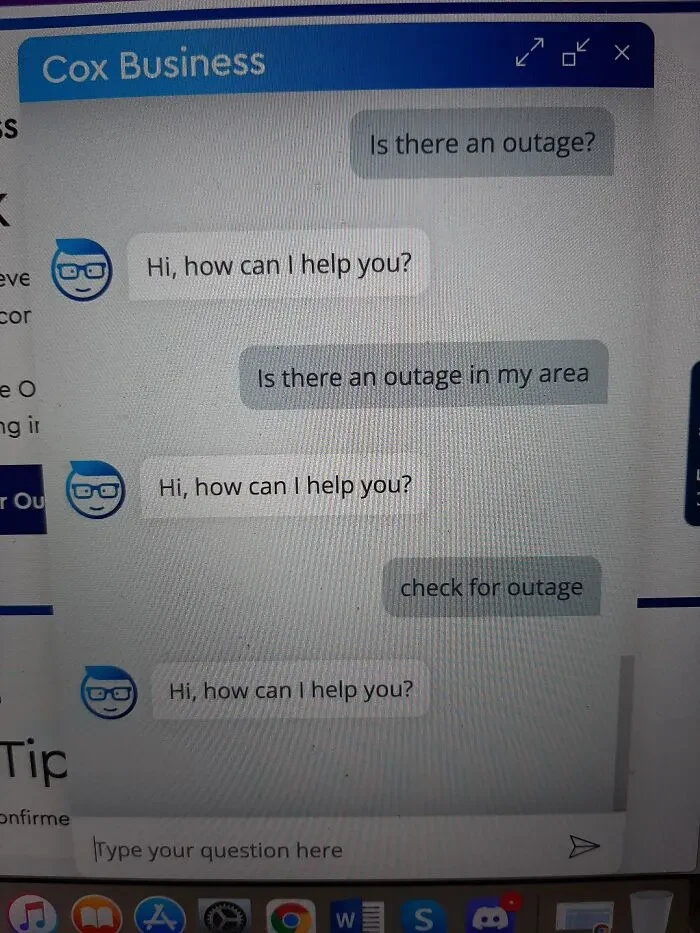
In another example, a user seeking assistance received nothing more than a perfunctory "Welcome" message. This specific failure points to a "looping" error, where the chatbot’s greeting script fails to transition into a diagnostic or routing phase. For the consumer, this creates a sense of being ignored by an entity that is technically responsive but functionally useless.
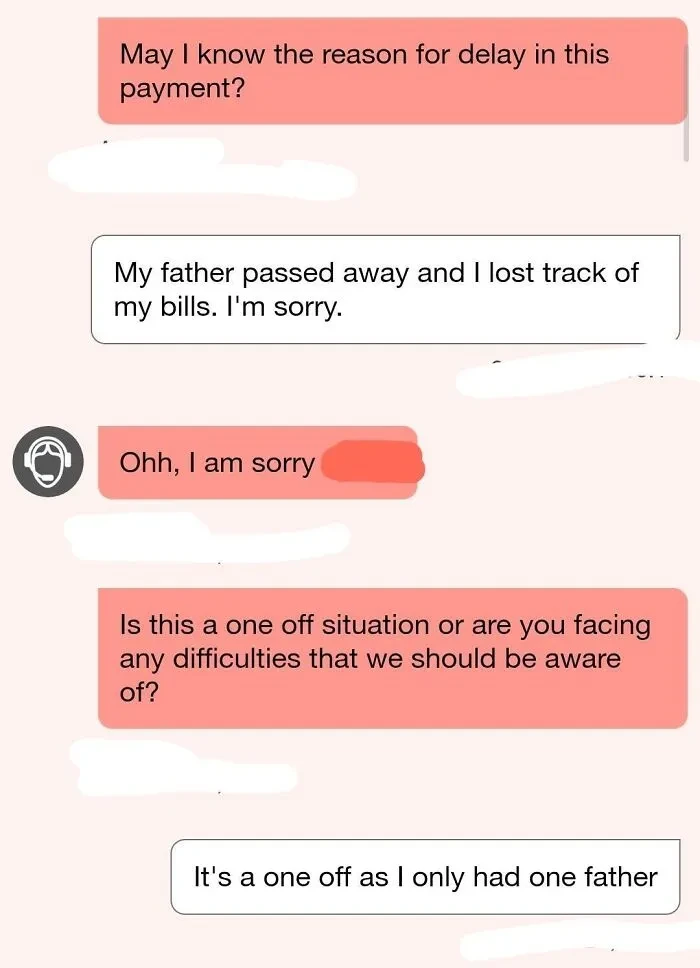
Perhaps the most poignant of these failures involves the lack of empathy protocols. In instances where a customer explains a sensitive personal situation—such as the death of a family member—the automated response system often relies on pre-canned templates. When these templates do not align with the human reality of the message, the result is a jarring, robotic response that is perceived as deeply disrespectful, even if the intent was merely to follow a script.
Data and Metrics: The Cost of Inefficiency
Industry benchmarks suggest that the average customer expects a response time of under five minutes for live chat interactions. However, internal data from support analytics firms indicates that many platforms struggle to maintain this standard during peak hours. When a bot or an overwhelmed human representative takes longer than the user’s threshold, they often trigger an "are you still there?" automated prompt.

This creates a paradoxical experience: the customer is forced to wait for a representative, but the representative’s system automatically flags the customer as "inactive" after a minute of silence. This results in the premature closure of support tickets. The data suggests that this specific friction point is one of the leading causes of customer churn, as users perceive the service as being dismissive of their time.
The Psychological Impact of Digital Frustration
Communication experts note that the frustration experienced by users in these scenarios is not merely about the lack of a resolution. It is a psychological response to the "uncanny valley" of customer service. When a user interacts with a system that mimics human conversation but fails to demonstrate basic human understanding, it creates a feeling of powerlessness.
The laughter that often accompanies these screenshots is a coping mechanism. By sharing these failures on social platforms, users reclaim agency over the situation, transforming a negative experience into a communal narrative of "us versus the system." This phenomenon has turned individual service failures into a broader cultural critique of how corporations prioritize automation over quality of interaction.
Industry Perspectives on AI Integration
While these viral screenshots paint a grim picture, industry leaders argue that they represent the "growing pains" of a necessary transition. Companies that implement AI support argue that these systems, when functioning correctly, resolve over 60% of common queries without human intervention, allowing staff to focus on complex, high-value cases.

However, the consensus among service design experts is that the "human-in-the-loop" model remains essential. The failures observed occur when companies strip away the human layer too aggressively. The recommendation from recent service audits is for businesses to implement "fail-safes"—points at which a chatbot must immediately hand off a conversation to a human if it detects sentiment markers associated with anger, confusion, or distress.
Implications for Future Service Design
The recurring nature of these incidents points to an urgent need for more robust training data and better-designed flowcharts in customer support interfaces.
- Contextual Awareness: Systems must be designed to prioritize the urgency and date of a query, rather than simply processing them in a queue.
- Sentiment Analysis: AI must be capable of identifying key phrases that necessitate a shift from formal, canned responses to empathetic, human-led communication.
- Redundancy Protocols: The practice of closing chats due to brief inactivity is increasingly viewed as an outdated metric that hurts customer satisfaction scores more than it helps operational efficiency.
- Human Oversight: There must be a clear, frictionless pathway for users to request a human representative without navigating a labyrinth of automated options.
Broader Societal Implications
The shift toward digital-first customer service is a microcosm of a larger societal trend: the outsourcing of human interaction to digital intermediaries. While the convenience of instant chat is undeniable, the erosion of quality support has a cumulative effect on consumer trust. When businesses prioritize the optimization of their "cost-per-contact" metric above the actual resolution of problems, they risk alienating the very customer base they aim to serve.
As these viral images continue to circulate, they serve as a cautionary tale for tech companies and retail giants alike. The objective of digital transformation should not be to replace human empathy with binary code, but to augment the capabilities of human representatives. Until that balance is achieved, the cycle of frustration, robotic responses, and inevitable social media backlash is likely to continue.
Conclusion
The stories behind these chat logs—ranging from misplaced time-travel inquiries to cold, robotic acknowledgments of personal tragedy—are more than just fodder for viral content. They are indicators of a system that has become too efficient for its own good, often losing the "service" in customer service along the way.
For the average consumer, the lesson remains clear: when engaging with automated support, the potential for absurdity is high. For businesses, the mandate is equally clear: if you cannot ensure that your automated systems can handle the complexity of human life with at least a baseline level of nuance and patience, you are likely doing more damage to your brand reputation than if you had no automation at all. As technology moves forward, the most successful companies will be those that learn to distinguish between tasks that can be automated and those that require a human touch. Until then, these screenshots will remain a testament to the strange, sometimes hilarious, and often deeply irritating reality of our modern digital interactions.