In an extraordinary display of human intervention in the natural world, a hiker identified as Nell successfully rescued an infant koala from the lethal grip of a python on Tuesday, November 3. The incident, which occurred in a forested area of Australia, highlights the volatile reality of predator-prey dynamics in the wild and the spontaneous actions of individuals who encounter such life-threatening situations. The rescue operation, performed with nothing more than bare hands, serves as a testament to the unpredictable nature of wildlife interactions and the fragility of native species when faced with natural threats.
Chronology of the Rescue Event
The event began in the early hours of Tuesday morning, when the hiker, identified as Nell, was traversing a known trail in the Australian bush. According to the accounts provided, the rescue was initiated not by a direct visual sighting, but by an auditory disturbance. Nell reported hearing a cacophony of distress calls from local bird species. In the Australian ecosystem, such vocalizations often serve as an alarm system, alerting other animals and keen-eyed observers to the presence of a predator or an unusual occurrence within the canopy.
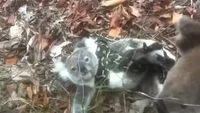
Following the sound, Nell tracked the disturbance to a specific location where she discovered an infant koala entangled in the coils of a python. The python, a species known for its constrictive hunting methods, had secured the juvenile koala, likely intending to consume it. Recognizing the urgency of the situation, Nell bypassed standard safety protocols, which generally advise against interfering with wild predators, and physically intervened. Using her bare hands, she managed to disentangle the reptile from the vulnerable marsupial. Once the python was dislodged, the infant koala was released. The animal immediately sought the safety of its nearby mother, clinging to her with a grip that observers described as desperate and tight, signifying the trauma of the encounter.
The Ecological Context of Koala-Python Interactions
To understand the gravity of the situation, one must look at the ecology of the regions where these two species overlap. The koala (Phascolarctos cinereus), while an iconic Australian symbol, is currently classified as "Endangered" in parts of Australia, including Queensland, New South Wales, and the Australian Capital Territory, according to the International Union for Conservation of Nature (IUCN). Their populations are under significant pressure from habitat loss, climate change, and disease.
Conversely, pythons—most commonly the carpet python (Morelia spilota) in these regions—are apex predators that play a crucial role in maintaining ecosystem balance. These snakes are non-venomous and rely on constriction to subdue their prey. While they primarily hunt rodents, birds, and possums, they are opportunistic feeders. An infant koala, due to its size and limited mobility, represents a viable prey item for a mature python.
Experts note that while these encounters are part of the natural food chain, the vulnerability of the koala population makes every individual life significant. The interference by a human, while successful in this instance, presents a complex ethical debate regarding the preservation of "the natural order" versus the desire to protect a declining species.
Supporting Data and Wildlife Behavior
Wildlife biologists emphasize that the behavior observed—the birds making noise—is a phenomenon known as "mobbing." Many bird species exhibit this behavior when they detect a predator, such as a snake or a raptor, to alert other members of the ecosystem and to discourage the predator from lingering. This biological warning system was the catalyst that allowed Nell to arrive at the scene before the python could complete its constriction.
In terms of physical survival, the window for intervention in a constriction event is extremely narrow. Once a snake has effectively bypassed the airway or circulation of its prey, the physiological damage can be irreversible within minutes. The fact that the infant koala was able to reunite with its mother immediately after the rescue suggests that the intervention occurred in the early stages of the attack, preventing physical trauma or long-term injury to the marsupial.
Official Responses and Ethical Considerations
While local wildlife services were not directly involved in the immediate rescue, such organizations often caution the public against approaching wild snakes. Python species, while generally not considered aggressive toward humans, can inflict painful bites if they feel threatened.
"The impulse to save a distressed animal is deeply human," noted an independent wildlife welfare researcher who reviewed the details of the incident. "However, the public must recognize the inherent risks of intervening in a predatory encounter. Not only is there a risk of injury to the human, but there is also the potential for the predator to be harmed or for the animal being rescued to suffer from capture myopathy—a condition triggered by the extreme stress of being handled by a human."
Despite these warnings, the outcome in this instance was objectively positive for the koala. The mother-infant bond in koalas is critical for the survival of the offspring, as joeys remain dependent on their mothers for nutrition and protection for up to 12 months. The successful reunion ensured the continued developmental trajectory of the infant.
Broader Implications for Wildlife Conservation
The incident involving Nell and the koala brings to the forefront the broader conversation regarding human-wildlife coexistence. As urban development continues to encroach upon native bushland, humans and wild animals are increasingly sharing the same spaces. This leads to more frequent, often unpredictable, encounters.
Conservationists suggest that the preservation of koalas relies not only on large-scale policy changes, such as the protection of eucalyptus forests and the establishment of wildlife corridors, but also on the public’s awareness of how to interact with the environment responsibly.
Analysis of Human Intervention
The intervention serves as a case study for future wildlife management strategies:
- Reporting over Acting: Generally, wildlife agencies recommend that citizens contact professional rescue services rather than intervening personally. This ensures the safety of both the human and the animal.
- Environmental Awareness: The ability of the hiker to interpret the signals from the local bird population is a skill that advocates of nature education hope to promote. Understanding the "language" of the forest can lead to more effective, non-intrusive monitoring of wildlife.
- The Value of Individual Life: In the context of an endangered species, the rescue of a single infant represents a marginal but symbolic contribution to the survival of the population.
Conclusion
The rescue of the infant koala on Tuesday, November 3, remains a singular event in the vast, often unseen drama of the Australian wilderness. While it was a moment of profound relief for the individuals involved and a successful preservation of a vulnerable animal, it also acts as a reminder of the harsh realities of the natural world.
As the koala and its mother retreated back into the safety of the canopy, the python, left without its meal, would continue its role in the ecosystem elsewhere. The event concludes with no lasting damage to the parties involved, save for the momentary disruption of a natural predatory cycle. For those who track the progress of the koala species, the survival of this particular infant serves as a small, albeit heartening, data point in the ongoing struggle to protect one of the world’s most beloved marsupials. Moving forward, authorities continue to urge caution for those exploring the bush, emphasizing that while the impulse to help is natural, safety—for both human and beast—must remain the primary concern in the delicate balance of the Australian bush.