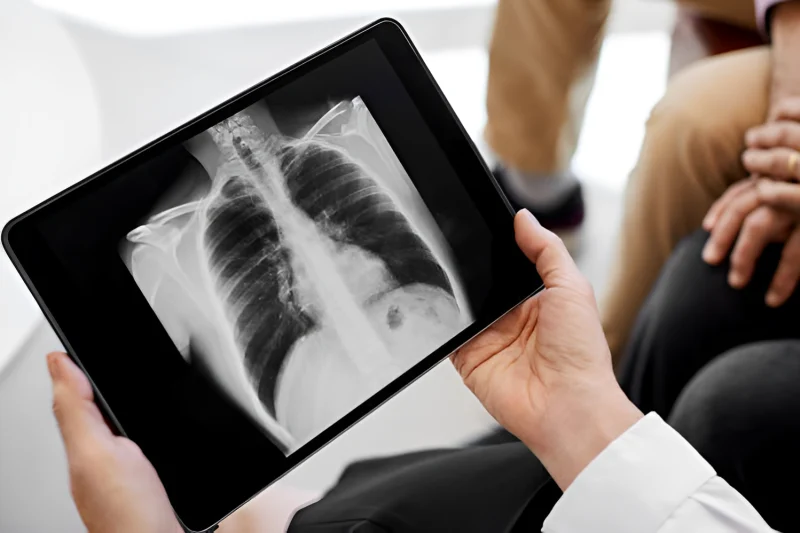
The long-standing belief that sleeping with an electric fan turned on overnight directly leads to "wet lungs"—clinically known as pneumonia—remains one of the most pervasive health myths in tropical climates like Indonesia. Despite its prevalence as a piece of household wisdom passed down through generations, medical experts have consistently clarified that the physical act of being exposed to a stream of air from a fan is not a biological cause of pulmonary infection. Understanding the mechanisms behind respiratory illnesses is essential for public health, as misattributions of causality can lead to unnecessary discomfort during extreme heatwaves and distract from legitimate health interventions.
The Scientific Reality of Pneumonia and Respiratory Infections
Pneumonia is a complex, multifactorial disease defined by the inflammation of the lung’s air sacs, or alveoli. According to global health data from organizations such as the World Health Organization (WHO), pneumonia is primarily caused by infectious agents, including bacteria (most commonly Streptococcus pneumoniae), viruses (such as influenza or respiratory syncytial virus), and fungi. These pathogens enter the respiratory tract through inhalation of droplets containing the microbes or via aspiration of oral and nasal secretions.
Medical professionals, including renowned respiratory specialist Professor Tjandra Yoga Aditama, have emphasized that pneumonia is an infection, not a thermal response to air movement. The mechanism of the illness requires a pathogen to overcome the body’s innate immune defenses. Simply feeling cold or being in the path of a moving air current does not introduce these microorganisms into the lung tissue. Consequently, the correlation between "wet lungs" and electric fans is purely anecdotal, lacking any foundational support in clinical pathology.
Deconstructing the Term "Wet Lungs"
The confusion surrounding the term "paru-paru basah" (wet lungs) often stems from its use as a colloquial umbrella term rather than a specific medical diagnosis. In a clinical setting, physicians distinguish between several conditions that the public might group under this single, imprecise label.
The first, and most common, is pneumonia, where the alveoli fill with fluid, pus, or cellular debris, severely impairing gas exchange. This is an active infection. The second condition frequently conflated with this is pleural effusion. This involves the accumulation of fluid in the pleural space—the thin, fluid-filled cavity between the lungs and the chest wall. Pleural effusion is often a secondary symptom of systemic or localized conditions, including congestive heart failure, tuberculosis (TB), malignancies, or severe inflammation.
By conflating a mechanical device (the fan) with these complex medical conditions, the public misses the opportunity to recognize the early warning signs of these underlying pathologies. For example, persistent cough, fever, shortness of breath, and chest pain are clinical indicators that necessitate professional diagnostic tools such as chest X-rays, sputum cultures, or blood tests, rather than simply turning off a fan.
The Role of Indoor Air Quality and Maintenance
While the fan itself is not the pathogen, the environment in which it operates can contribute to respiratory irritation. This is where the myth finds a grain of truth. Fans, if left uncleaned for extended periods, act as collection points for dust, pet dander, pollen, and other aeroallergens.
When a fan blade accumulates a thick layer of dust, the centrifugal force can disperse these particulates into the air stream. For individuals with underlying respiratory sensitivities, such as asthma or chronic obstructive pulmonary disease (COPD), the constant circulation of these allergens can trigger bronchospasms or localized inflammation.
Furthermore, if a room is poorly ventilated, the air circulation provided by the fan may facilitate the spread of airborne droplets if a person in the room is actively shedding a virus. In a crowded or confined space, the fan merely acts as an agent of distribution for pathogens already present in the room. Therefore, the issue is not the fan, but the cleanliness of the device and the quality of the ventilation system.
Historical Context and the Persistence of the Myth
The fear of "night air" or "cold winds" causing internal illness is a historical archetype found in various cultures globally. In East and Southeast Asia, this fear reached its peak in the mid-20th century, often attributed to the body’s vulnerability during the "yin" hours of the night.
In the modern era, this belief has been reinforced by the rapid rise of air conditioning and electric fans in developing nations. As technology became more accessible, the tendency to attribute physical symptoms to technological exposure grew. However, modern medical literature has repeatedly debunked these associations. A review of clinical data suggests that the incidence of pneumonia is more closely linked to factors such as vaccination status (e.g., pneumococcal vaccines), exposure to smoking, air pollution levels (PM2.5), and underlying immune status, rather than sleeping arrangements.
Public Health Implications and Recommended Best Practices
The misconception regarding fans poses a practical risk: during extreme heat events, which are becoming more frequent due to climate change, individuals—particularly the elderly and those with cardiovascular conditions—may refuse to use fans out of fear. This can lead to heat exhaustion or heat stroke, which are significant medical emergencies.
To ensure both comfort and respiratory health, public health officials recommend a balanced approach:
- Device Hygiene: Fans should be cleaned regularly. Removing dust from blades and guards prevents the circulation of irritants that could exacerbate respiratory conditions.
- Ventilation Management: While a fan circulates existing air, it does not replace it with fresh, oxygen-rich air. Ensuring that a room has access to a window or a proper ventilation system is far more critical for health than the speed setting of a fan.
- Humidity Control: In very humid climates, stagnant air can encourage mold growth in walls and furniture. A fan can help by increasing evaporation, which actually prevents the damp, moldy environment that is more conducive to respiratory illness than the air current itself.
- Targeted Diagnostics: If a patient experiences symptoms such as a persistent productive cough, fever, or difficulty breathing, they should seek a clinical evaluation. Relying on folk remedies or avoiding common cooling methods can delay the treatment of infections that require antibiotics or other professional interventions.
Moving Forward: Education and Evidence-Based Decisions
The shift from myth-based health decisions to evidence-based practices is a gradual process. The medical community continues to emphasize that the focus should remain on hygiene, vaccination, and professional health monitoring.
As we navigate changing climate patterns, the use of fans will remain a staple for millions of people. It is imperative that the public understands that the device is a tool for thermal comfort, not a source of biological infection. By maintaining clean living environments and addressing legitimate medical symptoms through appropriate channels, individuals can enjoy a safe and comfortable sleep environment without the unfounded anxiety surrounding the use of fans.
Ultimately, the body is resilient, and the primary threats to pulmonary health are invisible pathogens and environmental pollution, not the cooling breeze of a fan. Public health literacy remains the most effective tool in dismantling these persistent myths and ensuring that people can make informed decisions about their well-being.