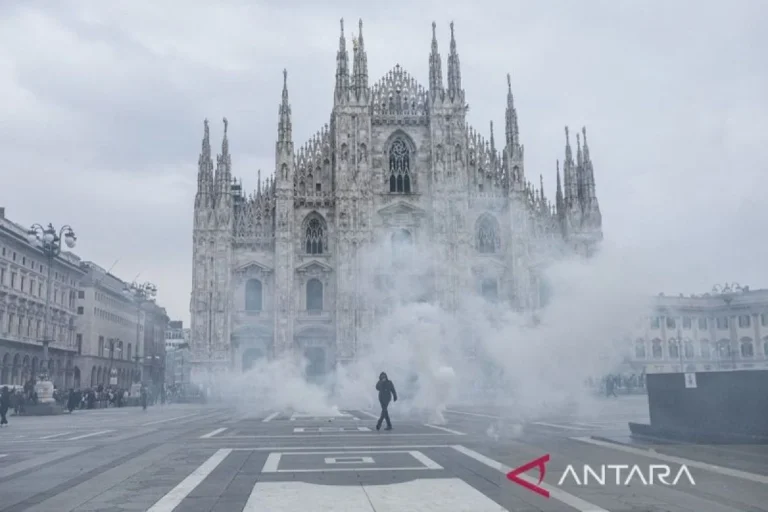
The persistent deterioration of air quality has evolved into a critical public health crisis, drawing significant concern from medical professionals and urban planners alike. In major metropolitan centers like Jakarta, the convergence of industrial emissions, vehicular traffic, and seasonal forest and land fires (karhutla) has created a complex atmospheric challenge. While the public often focuses on outdoor air quality indices (AQI), a growing body of research suggests that indoor environments are increasingly vulnerable to the infiltration of fine particulate matter (PM2.5), volatile organic compounds (VOCs), and biological pathogens, necessitating a strategic approach to domestic air management.
The Anatomy of Indoor Air Pollution
Contrary to common perception, the interior of a home does not function as an airtight barrier against external pollutants. Modern building designs, which prioritize ventilation to prevent moisture buildup, often facilitate the entry of microscopic pollutants. When regional air quality drops—frequently exacerbated by seasonal wildfires that transport hazardous smoke across hundreds of kilometers—these particles permeate indoor spaces through gaps in window frames, door seals, and air circulation systems.
Scientific studies conducted by environmental health agencies indicate that indoor air can be two to five times more polluted than outdoor air. Common indoor pollutants include dander, mold spores, dust mites, and chemical off-gassing from furniture and cleaning agents. When external smoke enters the home, it settles onto surfaces and remains suspended in the air, creating a cumulative effect that impacts respiratory health, particularly for vulnerable demographics such as children, the elderly, and individuals with pre-existing conditions like asthma or chronic obstructive pulmonary disease (COPD).
The Chronology of Atmospheric Challenges
The current urgency surrounding air quality is rooted in a pattern of recurring environmental events. Over the past decade, Southeast Asia has grappled with significant haze episodes, with peak intensity typically occurring during the dry season—often exacerbated by the El Niño-Southern Oscillation (ENSO) cycle.
In recent years, the timeline of these events has become more unpredictable. Historically, the haze period was confined to the mid-year months; however, changing climate patterns have led to extended dry spells, keeping air quality at sub-optimal levels for longer durations. This shift has fundamentally altered consumer behavior, moving air purification from a luxury appliance category to an essential household utility. The public has begun to recognize that relying solely on natural ventilation is no longer a viable strategy for maintaining a healthy living environment, especially in densely populated urban zones where traffic congestion adds a constant stream of nitrogen dioxide and sulfur dioxide to the local air mix.
Technological Solutions: The Role of Modern Air Purifiers
As the market for home wellness technology expands, consumers are increasingly seeking devices that offer more than just basic filtration. The core function of a high-performance air purifier—the continuous cycle of air intake, filtration, and circulation—is vital for maintaining a stable indoor environment.
Leading manufacturers, including DAIKIN, have responded to this demand by engineering units that balance mechanical efficacy with operational longevity. The DAIKIN Air Purifier MCQ30ZVM serves as a case study in this design evolution. By optimizing the airflow path and integrating multi-stage filtration systems, such devices are capable of mitigating the concentration of pollutants in spaces up to 23 square meters, a standard size for bedrooms or home offices.
Engineering for Vulnerable Populations
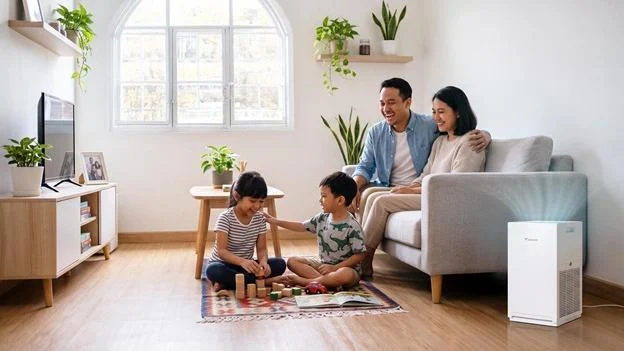
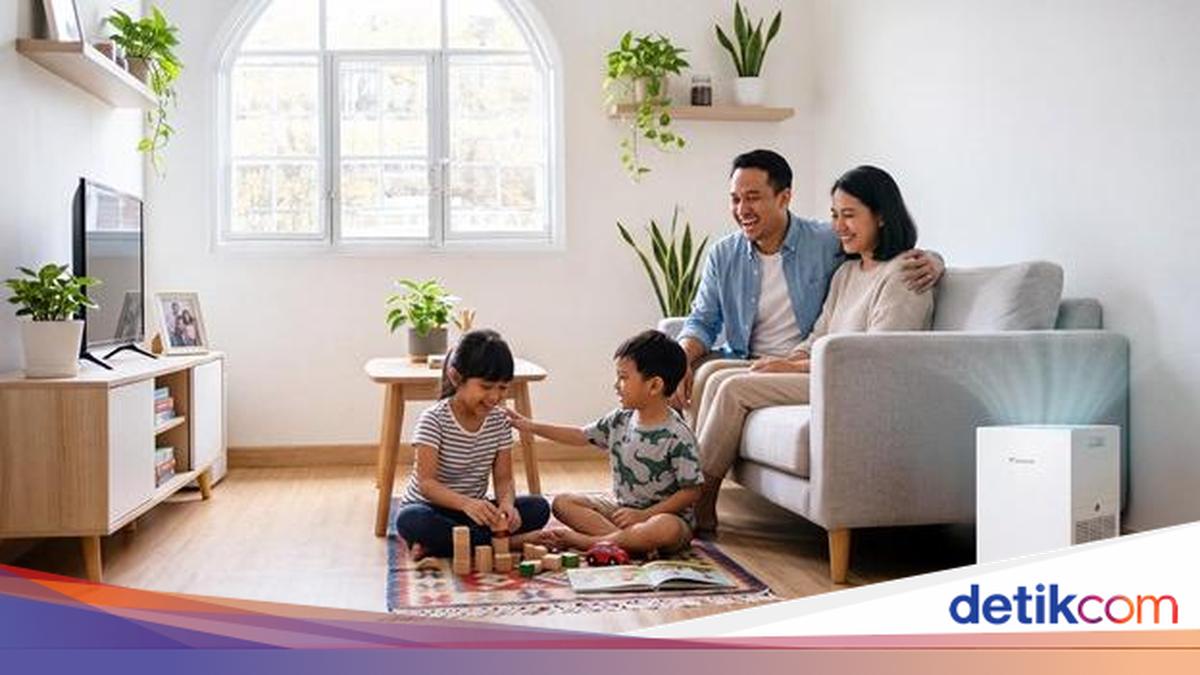
A critical innovation in modern unit design is the placement of intake vents. Engineering research indicates that particulate matter often settles closer to the floor, where toddlers and infants spend a significant portion of their time playing. By incorporating a low-level intake vent, devices like the MCQ30ZVM ensure that air is drawn from the breathing zone of children, effectively reducing their exposure to settled dust and allergens. This design consideration highlights a shift in industry standards, moving toward a more holistic view of public health that prioritizes the most vulnerable household members.
Technical Efficacy: Filtration Science
The effectiveness of any air purification system is fundamentally defined by its filtration medium. The industry has largely converged on two high-performance standards: the HEPA (High-Efficiency Particulate Air) filter and specialized chemical or ion-based treatments.
The MCQ30ZVM utilizes an Electrostatic HEPA filter, which relies on an electrostatic charge to attract and trap microscopic particles. Unlike mechanical filters that may restrict airflow as they accumulate dust, the electrostatic mechanism maintains high efficiency while capturing particles as small as 0.3 microns. Complementing this is the Gin-Ion filter, which employs silver ions (Ag+) and a cationic polymer to actively neutralize viruses and bacteria upon contact. This dual-action approach—trapping particles while simultaneously deactivating biological pathogens—represents the current benchmark for comprehensive air sanitation.
Economic and Practical Considerations
One of the primary barriers to the adoption of air purification technology has historically been the high cost of maintenance and frequent filter replacements. Consumers often find themselves deterred by the "hidden costs" associated with proprietary filters that require replacement every three to six months.
To address this, manufacturers are increasingly emphasizing durability. The longevity of the HEPA filters in the MCQ30ZVM, which can last up to a decade under normal usage conditions, serves as a significant economic incentive. By reducing the frequency of maintenance, manufacturers are lowering the total cost of ownership, making clean air accessible to a wider demographic. Furthermore, the optional addition of deodorizing filters, which do not require replacement, offers a sustainable solution for managing common household odors—from cooking fumes to pet-related smells—without imposing additional long-term financial burdens.
Strategic Implications for Urban Health
The implications of these technological advancements extend beyond individual comfort. From a public health perspective, the widespread adoption of efficient air purification systems can reduce the burden on healthcare facilities. By minimizing the inhalation of fine particulate matter, individuals may experience fewer respiratory exacerbations, leading to a decrease in outpatient clinic visits and emergency department admissions related to asthma and allergic reactions.
Moreover, the integration of these devices into the home environment encourages a broader societal conversation about environmental stewardship. When households take proactive steps to monitor and improve their indoor air quality, it underscores the severity of the outdoor air quality issue, fostering a more informed citizenry that is more likely to support policies aimed at reducing industrial emissions and preventing forest fires.
Conclusion and Future Outlook
The rise in demand for sophisticated air purification technology is a direct response to the escalating challenges of urban living and environmental instability. As the global community continues to grapple with climate-related air quality fluctuations, the importance of maintaining a controlled, clean indoor environment will only grow.
The DAIKIN Air Purifier MCQ30ZVM, with its emphasis on strategic intake placement, long-lasting filtration media, and biological neutralization, exemplifies the direction in which the industry is moving. It is a transition toward devices that are not merely reactive but are integrated components of a healthy home ecosystem. For those looking to mitigate the risks posed by fluctuating air quality, the investment in reliable, low-maintenance purification technology represents a necessary step in safeguarding domestic health.
As market availability grows and information regarding the importance of indoor air quality becomes more accessible, it is anticipated that residential air purification will become as standardized as water filtration or climate control. Consumers are encouraged to evaluate their specific needs—considering room volume, primary pollutants, and long-term maintenance costs—when selecting a device, ensuring that their chosen solution provides the maximum possible protection for their living environment. Detailed specifications and product support for the aforementioned technology can be accessed through official channels, such as the DAIKIN Indonesia portal, which provides comprehensive resources for those ready to take control of their domestic air quality.