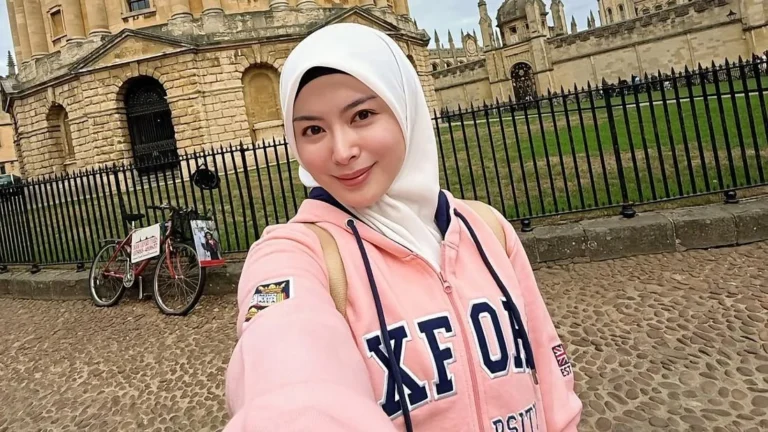
The contemporary landscape of global tourism has undergone a fundamental paradigm shift, particularly among the millennial and Gen Z demographics. For these cohorts, travel has transcended the traditional definition of a seasonal vacation, evolving instead into a central pillar of personal lifestyle and a primary vehicle for self-actualization. This transition reflects a broader socio-economic trend wherein younger generations increasingly prioritize the acquisition of "experiential capital"—memories, cultural insights, and personal growth—over the traditional pursuit of material assets such as real estate or luxury vehicles.
The Sociological Shift Toward Experiential Investment
For decades, the standard trajectory of adulthood was defined by rigorous saving for long-term tangible assets. However, modern economic conditions, including the rising costs of housing and the increased mobility afforded by digital infrastructure, have disrupted this model. Sociologists point to the "experience economy" as the driving force behind this change. According to reports from the World Tourism Organization (UNWTO), the youth travel sector currently accounts for over 23% of all international arrivals globally. This figure is not merely a reflection of disposable income but a manifestation of a value system that views travel as a legitimate investment in one’s psychological and professional development.
The desire to explore, catalyzed by the ubiquitous nature of social media and the accessibility of real-time travel information, has created a demographic that is more globally conscious and transient. Unlike previous generations, who often viewed travel as a luxury to be enjoyed after retirement, today’s youth perceive it as a vital component of the formative years. This shift is substantiated by data from various travel consumer surveys, which consistently show that over 70% of millennial respondents rank "travel experiences" as their highest discretionary spending priority.
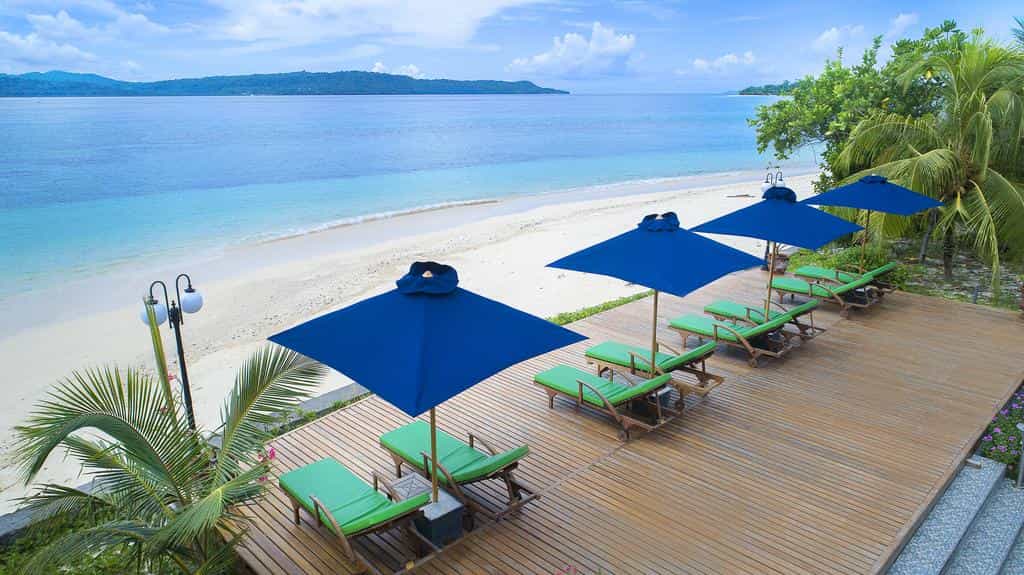
Chronology of the Lifestyle Travel Movement
The evolution of travel as a lifestyle can be traced through the last two decades of technological and cultural developments. In the early 2000s, travel was largely mediated by traditional agencies and remained a prohibitive cost for many. The mid-2000s to early 2010s saw the democratization of travel through the rise of Online Travel Agencies (OTAs), low-cost carriers, and the proliferation of user-generated review platforms.
By 2015, the "sharing economy"—exemplified by platforms such as Airbnb and local transport applications—fundamentally altered the cost-benefit analysis of long-term travel. This period marked the emergence of the "digital nomad" phenomenon, where remote work capabilities allowed individuals to integrate travel into their daily professional existence. The COVID-19 pandemic, while creating a temporary, massive contraction in global mobility, ultimately accelerated the desire for travel post-restriction. The "revenge travel" surge observed in 2022 and 2023 was not merely a reaction to lockdowns but an assertion of the newfound prioritization of experiences, cementing travel as an indispensable lifestyle component rather than a transient hobby.
Essential Principles for Sustainable Lifestyle Travel
Transitioning to a lifestyle centered on exploration requires more than just financial resources; it necessitates a psychological shift and a strategic approach to risk management. Industry experts and veteran travelers emphasize that successful long-term travel is built upon three core pillars: psychological resilience, flexible planning, and adaptive cultural intelligence.
1. The Psychology of Risk and Initiative
The primary barrier for many aspiring long-term travelers is the perceived risk of leaving a stable environment. However, research into consumer behavior suggests that the "opportunity cost" of not traveling—missing out on personal development and network expansion—is increasingly viewed as greater than the financial risks of the journey. Experts suggest that "readiness" is rarely a state of having sufficient savings, but rather a state of having sufficient confidence in one’s ability to navigate unforeseen circumstances.

2. The Strategic Flexibility of Itinerary
One of the most common pitfalls for novice travelers is the inclination toward rigid, hyper-planned itineraries. Modern travel experts advocate for "fluid planning," where core logistics—such as flights and initial accommodation—are secured, while the day-to-day schedule remains open. This approach allows travelers to react to local information, unexpected opportunities, and environmental variables. Rigidity often leads to missed opportunities for authentic immersion, as the most significant cultural experiences rarely occur within the confines of a pre-set agenda.
3. Developing Adaptive Cultural Intelligence
Perhaps the most critical asset for any frequent traveler is the ability to adapt. Cultural Intelligence (CQ) is the capability to relate to and work effectively across cultures. Unlike a traditional tourist, a "lifestyle traveler" must engage with the host society in a way that is respectful and functional. This involves a commitment to learning local etiquette, basic language phrases, and understanding the social dynamics of the region. Those who possess high adaptability are more likely to find sustainable, long-term success, as they can navigate transit, housing, and social interactions with greater ease.
Economic and Global Implications
The normalization of travel as a lifestyle has significant implications for both local economies and the travel industry at large. As younger generations spend more time in diverse locations, they contribute directly to local economies, often favoring small-to-medium-sized enterprises over large, multinational hotel chains. This trend has encouraged many nations to introduce "digital nomad visas," effectively competing to attract this demographic of mobile professionals.
However, this shift also brings challenges. The concept of "overtourism" has forced many popular destinations to reconsider their infrastructure and environmental capacity. Sustainable travel is no longer a niche concern; it is a necessity for the longevity of the lifestyle. The modern traveler is increasingly expected to adhere to principles of "slow travel"—spending more time in fewer locations, reducing the carbon footprint associated with excessive transportation, and engaging in community-led initiatives.

Analytical Perspectives: The Future of the Nomadic Workforce
Professional analysts suggest that the rise of the lifestyle traveler is inextricably linked to the future of the global labor market. As corporations continue to refine hybrid and remote work policies, the number of individuals capable of maintaining a professional career while traveling is expected to rise. This creates a feedback loop: as more people adopt this lifestyle, the infrastructure (co-working spaces, specialized insurance, and communal living arrangements) improves, making it even easier for the next wave of travelers to participate.
The implications for personal finance are also profound. As individuals shift funds away from the "home-ownership-first" model, the financial services sector is beginning to adapt. New products, such as flexible global health insurance and international banking services, are specifically designed to cater to a population that does not have a single, permanent residence.
Conclusion: A Shift in Values
The movement toward treating travel as a fundamental lifestyle choice represents a broader cultural maturation. It is a transition from valuing what one has to valuing who one becomes through interaction with the wider world. While the transition requires a departure from traditional safety nets and a significant amount of personal courage, the potential for individual growth and global perspective is immense.
For those considering this path, the advice from industry veterans is consistent: start by identifying the core objectives of the journey—whether it be professional development, cultural immersion, or personal restoration—and allow the flexibility to pursue those objectives as circumstances evolve. The world, while complex, is increasingly accessible to those who approach it with preparation, respect, and a willingness to step outside the familiar. As the global community becomes more interconnected, the act of traveling will continue to serve as both an educational tool and a testament to the changing priorities of the 21st-century citizen.